Pourquoi le Programme avec le Sénégal “tarde” : Le chef du Département Afrique du FMI révèle
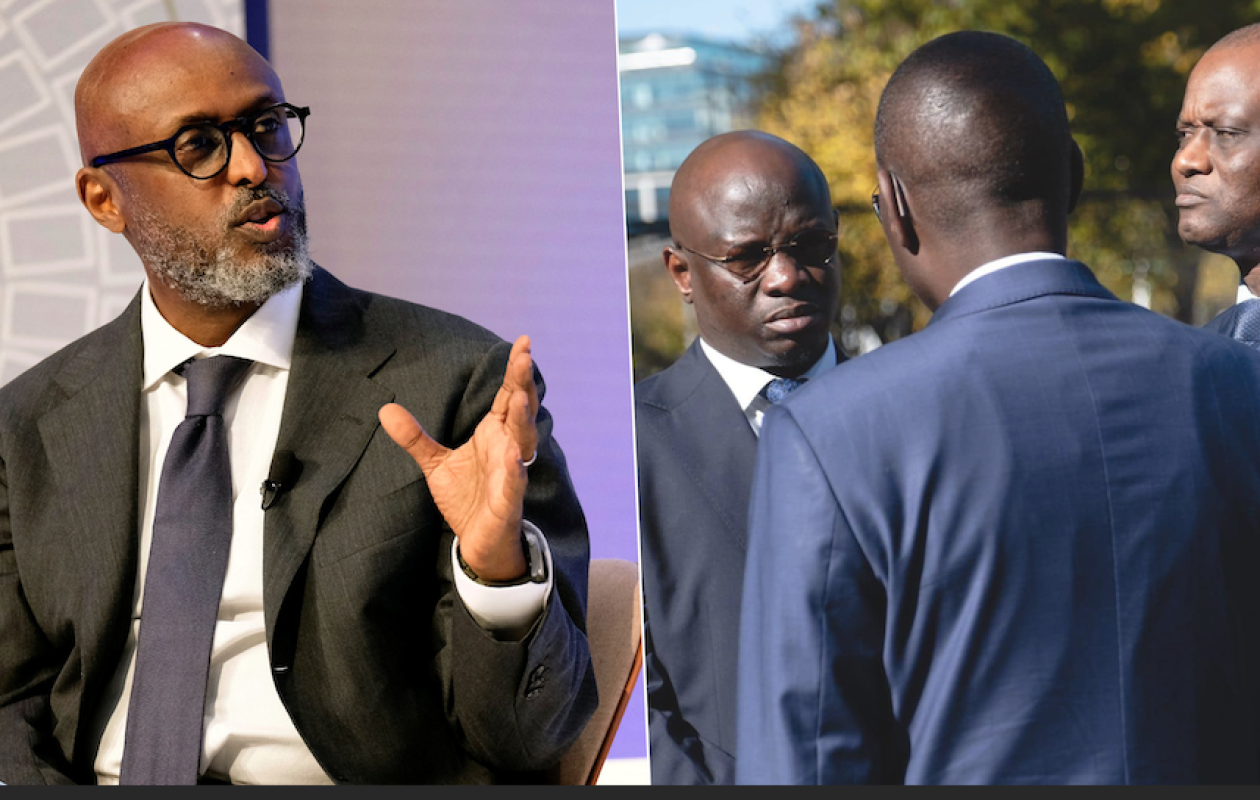
For nearly two years, Senegal has been in discussions with the International Monetary Fund (IMF) to sign a completely new program. Indeed, since the start of the so-called hidden debt saga, the Bretton Woods institution suspended its program with the country. And since then, discussions to reach a new agreement have continued. Abebe Aemro Selassie, Director of the IMF's African Department, provided an update this Thursday.
“We are currently experiencing a period of great volatility in terms of market access, particularly for debt sustainability analysis. Indeed, the latter requires anticipating economic prospects and market access conditions. In this unstable context for countries with precarious market access, this work requires great rigor and in-depth reflection. Committing to an irreversible path is not the ideal solution,” he explained.
A credible strategy that avoids excessive austerity
He added: “That is why we wanted to give the government time to develop a credible, fundable strategy that avoids excessive austerity for the Senegalese population. These discussions require in-depth reflection and deliberation, and it is primarily up to the government to conduct them. We are at that stage, and these discussions are continuing,” he explained.
The Director of the IMF's African Department noted that the current regime in Senegal inherited a considerable debt. The question now is how to address it and determine the best way to proceed.
What Sheikh Diba said in February about the discussions
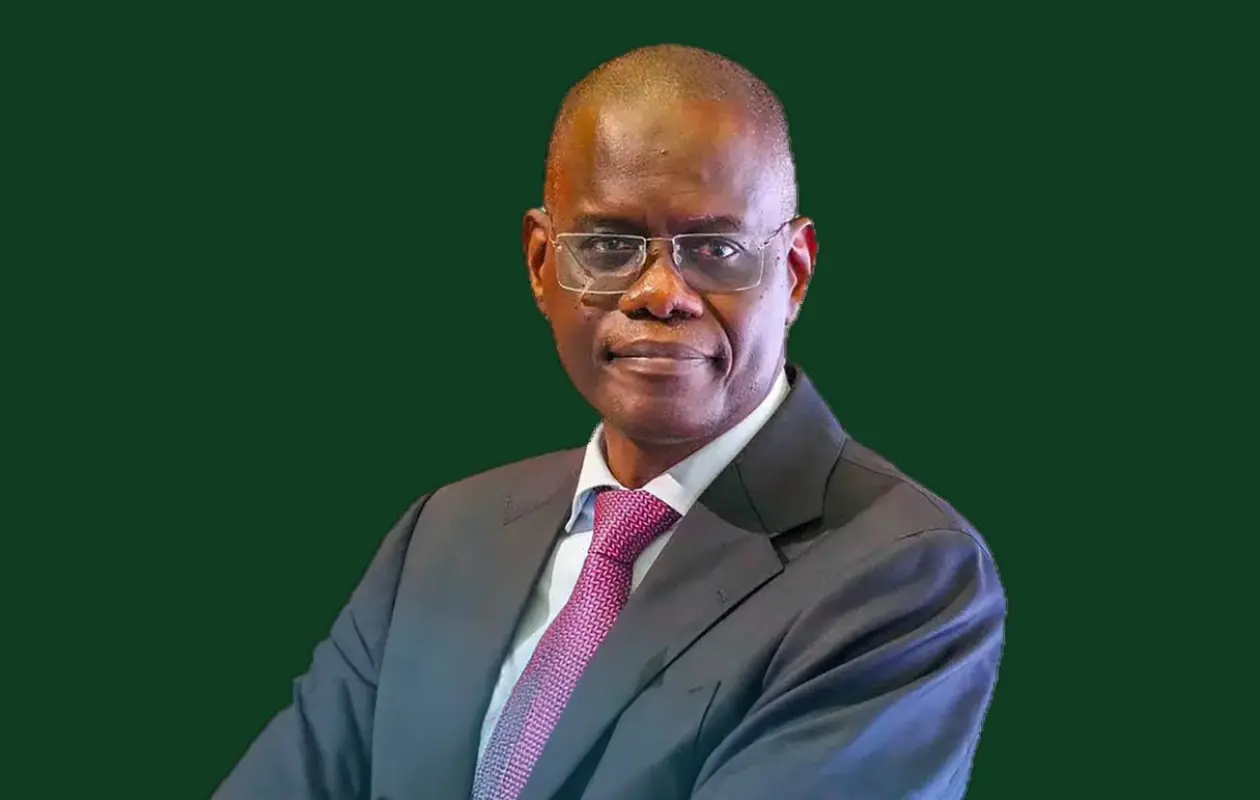
On February 24, before the deputies, the Minister of Budget had stressed that discussions between the State of Senegal and the IMF had resumed since January 19, 2026, with the reception of the new head of mission, Ms. Vera Mercedes.
“After receiving the new head of mission, we put all the discussion topics on the table. The first was on misreporting and the second on negotiating a new program,” he explained.
Agreements on misreporting, but...
Regarding the misreporting, Cheikh Diba indicated that all issues had been resolved. “We agreed on the audit of the debt situation, on the correction of public finance statistics, on quantitative matters, and on the framework for reform measures. We agreed on the soundness of the proposed recovery process,” the Minister of Finance assured.
However, he indicated that some preliminary measures still needed to be implemented. "By the time we hold a board meeting on misreporting, we will be able to implement them. The problem does not arise with the first issue," he assured.
Sticking points in the new program
Regarding negotiations for a new program with the IMF, the Finance Minister explained that disagreements remained concerning the framework and the level of growth projections. "We often disagree because we believe the IMF's assumptions about Senegal's economic situation are pessimistic, while the IMF considers our projections optimistic," the minister emphasized.
But Sheikh Diba had assured them that they were working to bridge the gap in depth. He even indicated that the IMF had updated its macroeconomic framework, which he then sent to them. "By the end of the week, we will be able to discuss the economic framework and reach the results that will allow us to finalize these discussions," he said on February 24.
Significant issues regarding funding
The minister emphasizes that this is where the real challenge lies, particularly regarding the amount of funding to be mobilized. This will determine, over the medium term (from 2026 to 2028), the volume of resources the State will seek on the financial market to complete the financing of the economy.
“If we disagree on this point, the volume of financing will be significant. That is why the IMF believes we will not be able to finalize the financing and thinks that the solution remains restructuring. But if we manage to converge on the essential indicators of the framework, the financing need will shrink to a level that will allow us to ensure that this financing is finalized,” he concluded on the matter.












Commentaires (1)
Participer à la Discussion
Règles de la communauté :
💡 Astuce : Utilisez des emojis depuis votre téléphone ou le module emoji ci-dessous. Cliquez sur GIF pour ajouter un GIF animé. Collez un lien X/Twitter, TikTok ou Instagram pour l'afficher automatiquement.