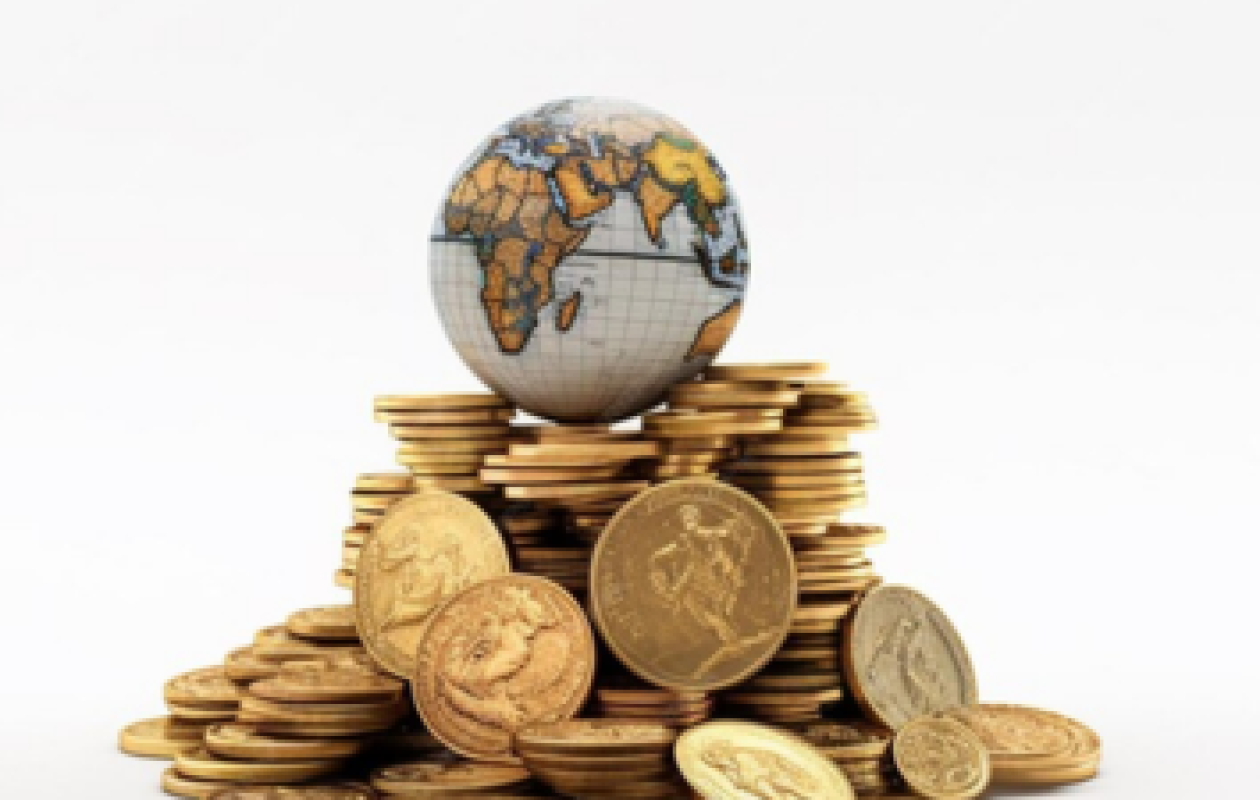
Pourquoi les réserves en devises déterminent la solidité d’une économie ?
In an open economy like Senegal's, financial soundness depends not only on the level of production or growth, but also on the ability to meet external payments.
Foreign exchange reserves play a crucial role in this regard. They represent the foreign currency assets held by the central bank and are used to finance imports, meet international obligations, and maintain monetary stability. Their level is one of the indicators most closely monitored by markets, financial partners, and international institutions.
In the West African Economic and Monetary Union (WAEMU), reserves are managed by the Central Bank of West African States (BCEAO). They ensure the convertibility of the CFA franc and maintain the credibility of the exchange rate regime.
According to data published by the BCEAO, the Union's reserve level represented the equivalent of more than five months of imports in 2024, a threshold generally considered comfortable by international financial institutions. When this ratio decreases, the capacity to absorb an external shock is reduced, which can weaken macroeconomic stability.
The importance of these reserves becomes particularly apparent during periods of increased imports or decreased foreign exchange earnings.
In countries heavily reliant on imports of energy, food, or equipment, a rise in international prices can rapidly increase foreign exchange requirements. If reserves are insufficient, authorities have less room to finance foreign trade without resorting to debt or adjustment measures. This situation can lead to a deterioration in the balance of payments and downward pressure on domestic prices.
Foreign exchange reserves also play a crucial role in confidence. A high level reassures investors and creditors, as it signals a country's or monetary union's ability to meet its obligations.
Conversely, a prolonged decline can lead to a higher perception of risk, increase the cost of external financing and complicate access to international markets.
In several emerging economies, rapid erosion of reserves has often preceded episodes of monetary or fiscal crisis.
Maintaining sufficient reserves largely depends on the structure of foreign trade. Countries with diversified and regular exports generally have a greater capacity to accumulate foreign currency.
Conversely, when imports grow faster than exports, reserves can decline unless capital inflows offset the imbalance. This is why policies aimed at reducing energy dependence, developing exports, or attracting foreign investment also have the effect of strengthening the external position.
Foreign exchange reserves thus remain a crucial element of economic stability, even if they are rarely discussed in public. They determine the ability to finance imports, preserve monetary credibility, and limit the impact of international shocks. In economies exposed to fluctuations in global markets, their level often constitutes the first line of defense against external imbalances.







![[Exclusif] Affaire Pape Cheikh Diallo : Les coulisses de son extraction secrète de Rebeuss ce jeudi !](https://image.seneweb.com/content/news/2026-25-18//thumb_1260x800_6a3434c7e3e9d_afwaHJw2Yb.jpg)












Commentaires (1)
Participer à la Discussion
Règles de la communauté :
💡 Astuce : Utilisez des emojis depuis votre téléphone ou le module emoji ci-dessous. Cliquez sur GIF pour ajouter un GIF animé. Collez un lien X/Twitter, TikTok ou Instagram pour l'afficher automatiquement.