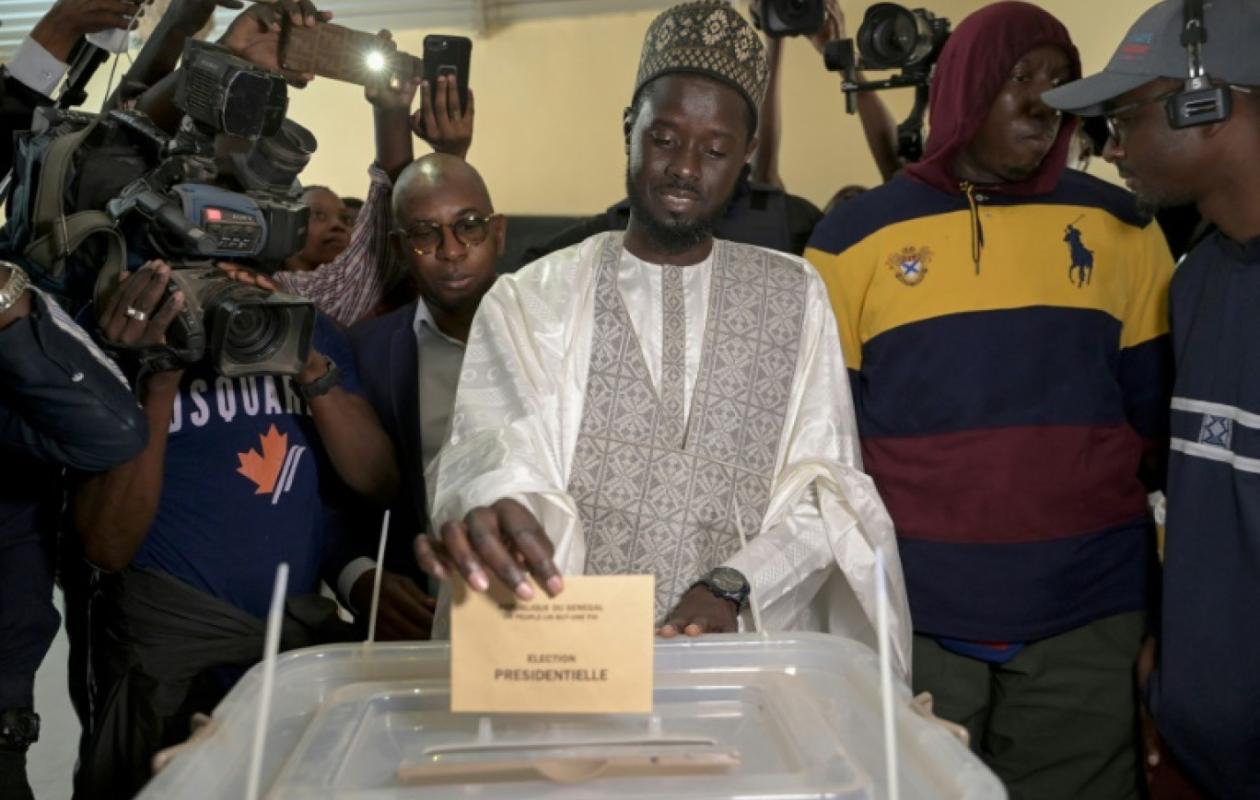
Quand l’urne redessine la dépense publique
As elections approach, public policy tends to shift towards decisions with immediate impact. Authorities often prioritize measures that are visible to households and businesses, such as accelerating certain projects or temporarily moderating taxes and regulated fees. This shift reflects an understandable political logic, but it alters the composition of spending and the prioritization of economic needs.
From a budgetary perspective, this period frequently translates into an increase in short-term commitments. In several African countries, current expenditures (primarily public sector salaries, subsidies, and transfers) increase by an average of 1% to 2% of GDP during election years, according to estimates from the IMF and the World Bank. Long-term investments and fiscal adjustments are deferred.
This dynamic does not necessarily mean a lasting relaxation of discipline, but it can accentuate cash flow pressures and increase the need for transitional financing.
Structural reforms are often the first to be affected by this context. Changes to subsidies, taxation, or the governance of state-owned enterprises entail immediate political costs for deferred benefits. Postponing them is not always an abandonment, but it lengthens timelines and reduces the cumulative effect of the expected adjustments on potential growth, fiscal sustainability, and the debt trajectory.
Political uncertainty also influences investor behavior. Private actors frequently adopt a wait-and-see approach, delaying certain expansion decisions or financial commitments. This phenomenon does not systematically translate into a drop in investment, but rather a slowdown in its pace, particularly noticeable in sectors dependent on public procurement or stable regulatory frameworks. It can also result in an increase in the risk premium and a slowdown in foreign direct investment flows.
However, these effects should be qualified. In some cases, election periods are accompanied by a heightened effort to bolster credibility, as governments seek to demonstrate prudent management to preserve access to financial markets. Successful debt issuance or adherence to macroeconomic objectives can thus coexist with an intensification of targeted social spending.
Overall, the electoral calendar acts as an amplifier of existing choices rather than a mechanical disruption of the economic trajectory. Its effects depend on the strength of budgetary institutions, the transparency of tax rules, and the ability of government administrations to maintain consistency between political imperatives and macroeconomic balances.
The challenge lies less in avoiding the electoral cycle than in managing it, particularly through the use of binding and multi-year budgetary rules, in order to limit its implicit economic costs.

















Commentaires (3)
Un éternel regret d'avoir voté pour vous...
Bande de cancres!
Participer à la Discussion
Règles de la communauté
💡 Astuce : Utilisez des emojis depuis votre téléphone ou le module emoji ci-dessous. Cliquez sur GIF pour ajouter un GIF animé. Collez un lien X/Twitter, TikTok ou Instagram pour l'afficher automatiquement.
Se connecter
Commentez avec votre profil, votre photo, et soyez averti des réponses.