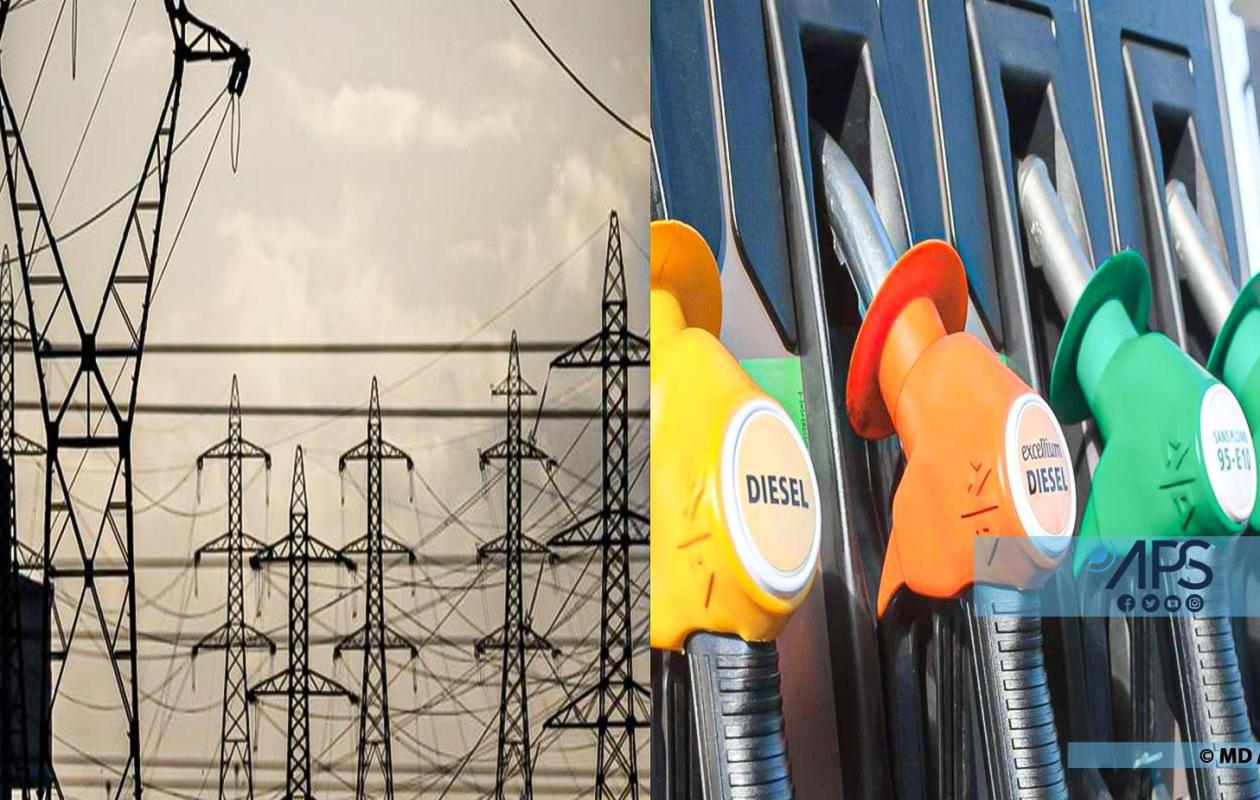
Subventions énergétiques : l’équilibre délicat entre protection sociale et soutenabilité budgétaire
In many countries, subsidies for fuel, gas, or electricity have become a central instrument of social policy. They cushion the impact of international price increases and protect household purchasing power. When oil prices soar, they prevent an immediate spillover into transportation, food, and essential services. Their function is therefore undeniably stabilizing.
But this mechanism comes at a high cost to public finances. According to the International Monetary Fund, explicit and implicit energy subsidies represent several percentage points of gross domestic product each year in many emerging and developing countries. In already constrained budgetary contexts, these amounts limit the available resources for financing education, health, or infrastructure.
The paradox is that these systems, designed to protect the most vulnerable, often benefit wealthier households more. Studies conducted by the World Bank show that the richest households consume more energy and therefore capture a larger share of generalized subsidies. Lower-income households benefit proportionally less from these indirect transfers.
Reforming energy subsidies thus appears to be a budgetary necessity. However, recent history shows that it can provoke intense social reactions when prices rise sharply. Increases in fuel or electricity prices quickly affect all goods and services, fueling inflation that is immediately felt by households.
The key lies in sequencing and targeting. Replacing generalized subsidies with direct transfers to vulnerable households maintains social protection while reducing the overall budgetary cost. Digital social registries and mobile payment systems now offer tools to better identify beneficiaries and limit windfall gains.
Communication and predictability also play a crucial role. A gradual reform, announced in advance and accompanied by credible compensatory measures, reduces uncertainty and facilitates acceptance. Conversely, a sudden elimination, without any visible safety net, fuels distrust.
Reforming energy subsidies does not mean abandoning all public intervention. Rather, it involves redefining the support mechanisms to reconcile social equity with budgetary discipline. The issue is not solely financial. It concerns the state's ability to protect vulnerable households while preserving macroeconomic stability.




![[EXCLUSIF] Ndiaga Seck : Ce qu'il a dit sur Ousmane Sonko](https://image.seneweb.com/content/news/2026-21-18//thumb_1260x800_6a0b59b4699aa_zsVjCNITAk.jpg)
![[ EXCLUSIF] De l'amour à la trahison : pourquoi Ahmadou Lamine Dia a livré Ndiaga Seck aux policiers de Linguère](https://image.seneweb.com/content/news/2026-21-19//thumb_1260x800_6a0ba9ae394fb_B6LUdDvsqZ.jpg)










Commentaires (1)
Participer à la Discussion
Règles de la communauté :
💡 Astuce : Utilisez des emojis depuis votre téléphone ou le module emoji ci-dessous. Cliquez sur GIF pour ajouter un GIF animé. Collez un lien X/Twitter, TikTok ou Instagram pour l'afficher automatiquement.