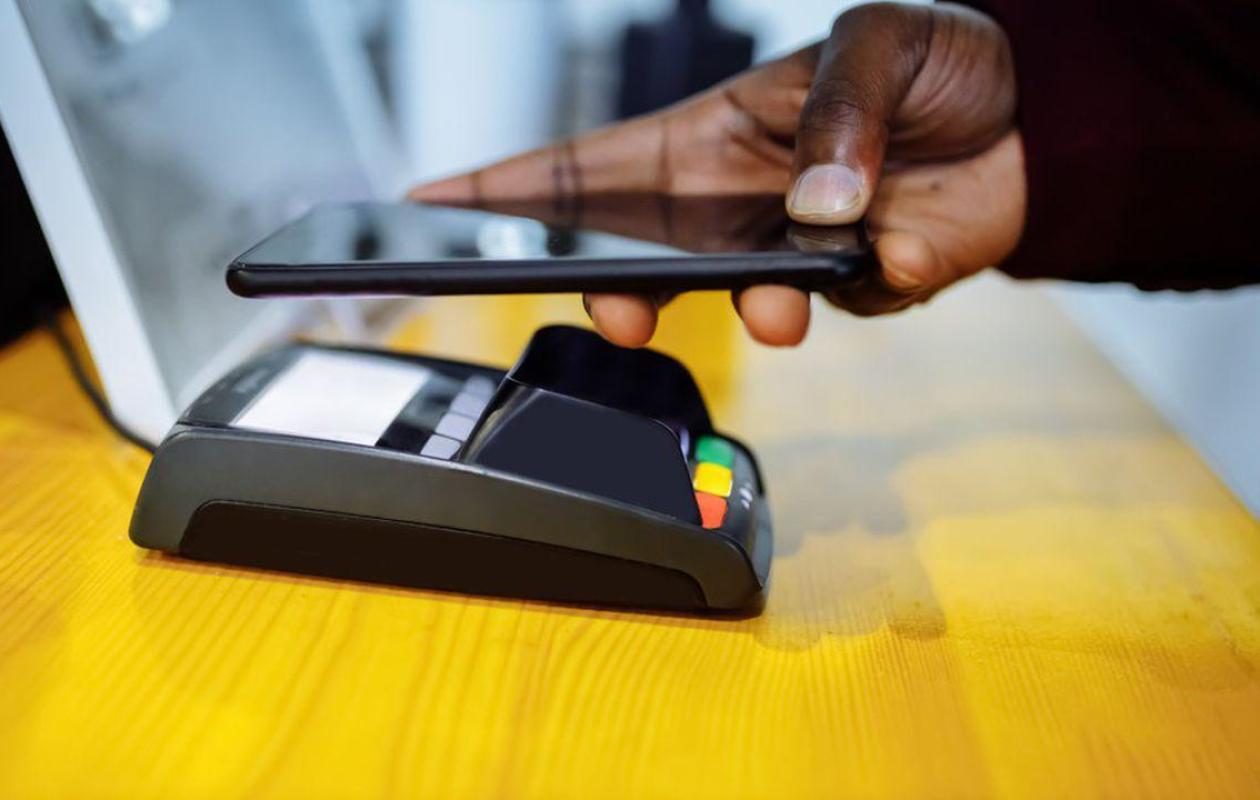
Taxation du mobile money : l’UDPS alerte sur un risque de 30 000 emplois perdus
The news surprised many in the sector. The Union of Distributors and Service Providers of Senegal (UDPS) said it was surprised by the widely circulated information about a possible mobile money tax plan. The organization quickly issued a statement warning of the economic and social consequences such a measure could entail.
"After learning of this information, we have evaluated the proposed taxation scheme. As such, we are informing government authorities of the risk this measure poses to the distribution network," the UDPS said.
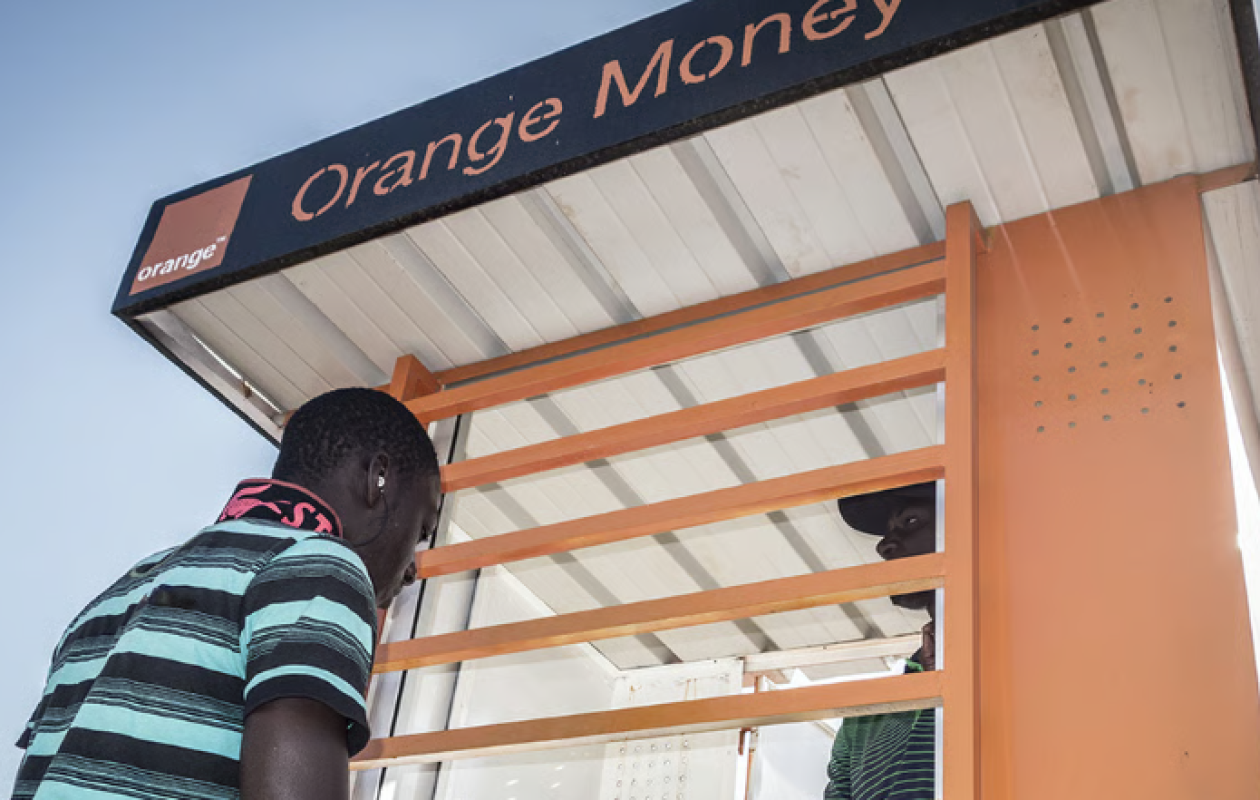
In its analysis, the Union highlights the fragile nature of the agents' economic balance. It states that: "the mobile money tax increases transaction costs, which can reduce demand for mobile money services and, consequently, the number of transactions. Taxes can affect the viability of an agent's business, particularly for agents facing high operating costs and receiving commissions barely above their break-even point."
According to the association, such a measure could lead to a general decline in activity, with cascading effects throughout the network. "In this case, they need a greater number of transactions to reach their profitability threshold. The negative impact of the mobile money tax could be greater in areas where competition between agents is strong. At least 30,000 jobs are threatened if a threshold remains unattainable," the note further warns.
The Union is therefore calling on the public authorities to establish a broader framework for discussions: "We call on the government to convene broader consultations to define a fairer tax system." For members of the UDPS, the project as it is envisaged "risks becoming counterproductive."
The organization finally warns that this fiscal direction could undermine the achievements of a sector that has contributed to financial inclusion for several years. It believes that such choices "could disrupt the entire financial system that the entire industry has been building for years."

















Commentaires (5)
Vous valider l enrichissement des capitalistes étrangers et vous voulez vous opposer à cotiser pour tirer votre nation hors des trous créés par les prédateurs des anciens régimes ?
Allez vivre à Honduras si vous voulez.
Pire encore, pour gagner des parts de marché, Wave a pratiqué un dumping pur et dur – une concurrence déloyale interdite par la loi. Résultat : plus de 15 000 points de transfert ont disparu, il n’en reste qu’environ 13 000. Là où tout le monde gagnait et où l’État collectait des taxes, Wave a cassé l’équilibre du mobile money.
Participer à la Discussion
Règles de la communauté :
💡 Astuce : Utilisez des emojis depuis votre téléphone ou le module emoji ci-dessous. Cliquez sur GIF pour ajouter un GIF animé. Collez un lien X/Twitter, TikTok ou Instagram pour l'afficher automatiquement.