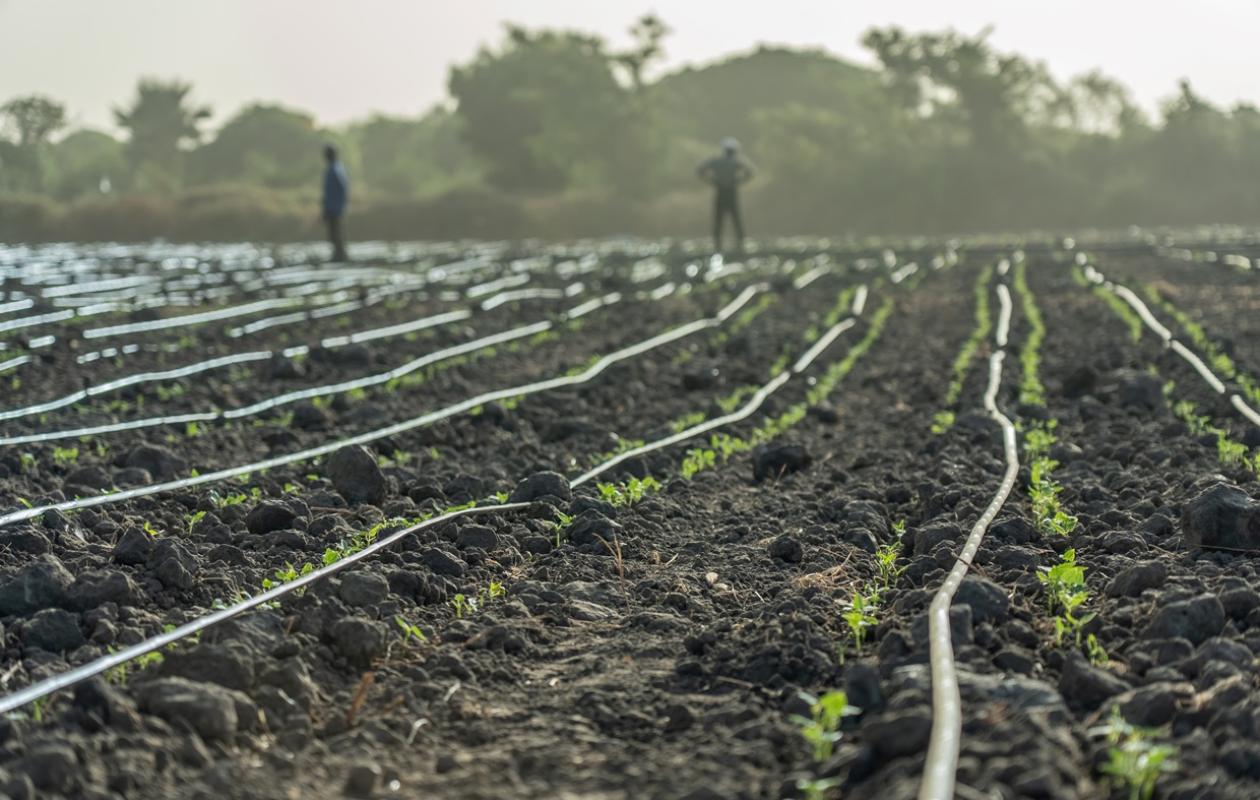
Terres agricoles : Entre appétit des investisseurs et souveraineté alimentaire
Agricultural land has become one of the continent's most strategic assets. In a context of rapid population growth and volatile global food markets, control of rural land goes beyond mere production. It touches on food security, social cohesion, and the trajectory of development.
In Senegal, as in several other West African countries, the allocation of vast tracts of land to national and foreign investors has sparked heated debate. These projects promise modernization of farming techniques, irrigation, mechanization, and access to export markets. On paper, they can revitalize rural areas, create jobs, and increase yields.
Proponents of these investments emphasize a genuine need for capital and technology. Family farming, which is the dominant form of agriculture, often still faces limited access to financing, quality inputs, and storage infrastructure. Structured partnerships can enable producers to move upmarket and better integrate into international value chains.
But land issues are not simply a matter of productivity calculations. In many rural areas, land use rights are based on customary systems and complex social balances. Large-scale land allocation can destabilize these balances, reduce local communities' access to resources, and fuel conflicts. When compensation is deemed insufficient or poorly negotiated, mistrust takes root.
The issue of food security heightens the sensitivity of the debate. While allocating fertile land to export crops can generate foreign currency, it raises the question of the availability of basic foodstuffs for the domestic market. In a country still dependent on food imports for certain strategic products, the allocation of agricultural land becomes a crucial economic and political choice.
Arbitration is not about systematically pitting investors against local farmers. Rather, it's about defining clear rules that guarantee secure land rights, consultation with affected communities, and a balance between production for export and supplying the domestic market. Models of co-farming, agricultural contracts, or partnerships with cooperatives can offer intermediate solutions.
Agricultural land thus encompasses several dimensions: economic attractiveness, social justice, and food sovereignty. The way it is managed will determine not only the performance of the agricultural sector, but also the stability of rural areas and the country's ability to ensure its food supply in an uncertain international environment.























Commentaires (2)
Participer à la Discussion
Règles de la communauté :
💡 Astuce : Utilisez des emojis depuis votre téléphone ou le module emoji ci-dessous. Cliquez sur GIF pour ajouter un GIF animé. Collez un lien X/Twitter, TikTok ou Instagram pour l'afficher automatiquement.