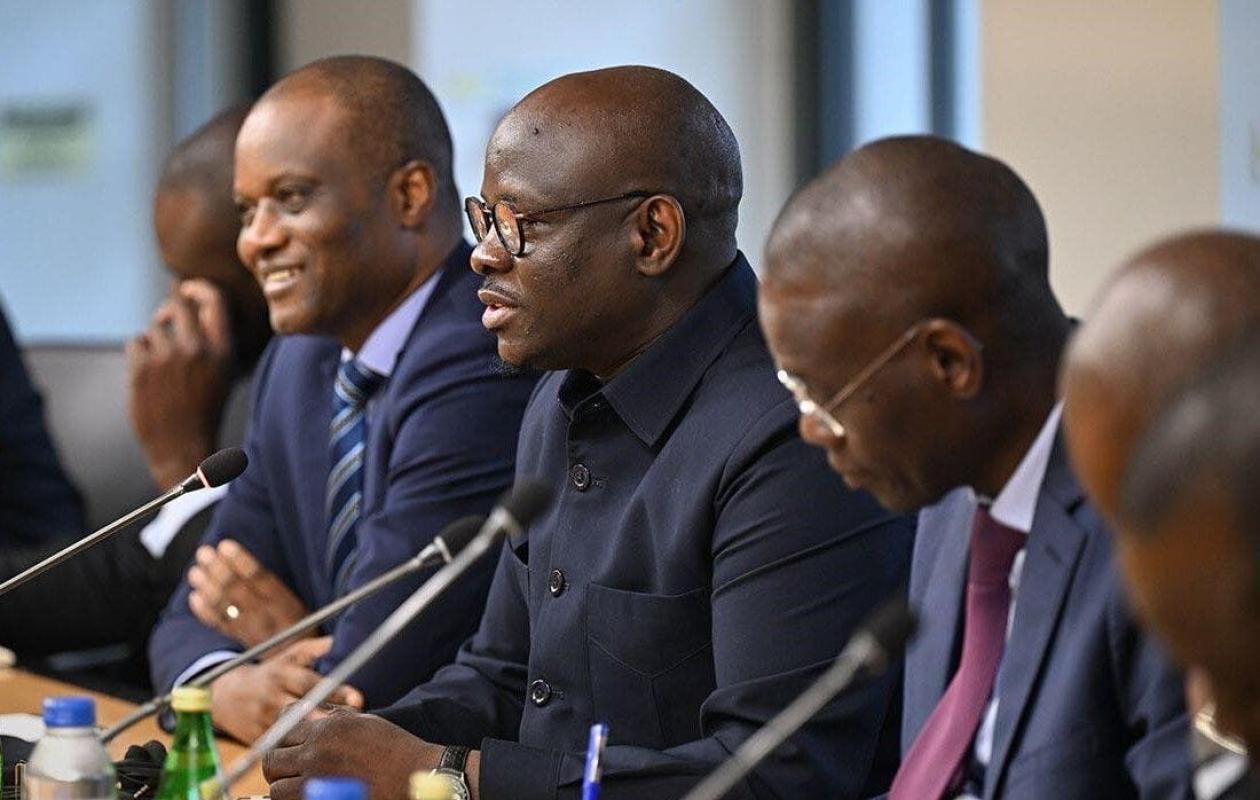
Titres publics et crédit bancaire : l’équilibre délicat du financement dans l’UEMOA
In the West African Economic and Monetary Union, commercial banks play a central role in financing states. A significant portion of the bills and bonds issued on the regional market are purchased by banks within the zone, allowing governments to quickly mobilize resources in CFA francs. This mechanism facilitates budgetary management and limits immediate recourse to international markets, but it also creates a close interdependence between public finances and the banking system.
The development of the regional government securities market has profoundly altered financing methods in recent years. According to data published by the UMOA Securities Agency, annual government issuances regularly exceed several trillion CFA francs, with banks playing a major role. These institutions hold a significant portion of the region's available savings and consider government securities to be safe investments, offering regular returns and favorable prudential treatment. For governments, this sustained demand allows them to meet their financing needs without relying solely on external lenders.
This situation offers clear advantages for financial stability. Local currency financing reduces exposure to exchange rate risk and gives authorities greater flexibility in debt management. The presence of an active regional market also allows for longer maturities and diversification of funding sources. In an international environment characterized by high interest rates and stricter borrowing conditions, the ability to mobilize domestic resources is a significant asset for countries in the region.
However, the increasing weight of government bonds on bank balance sheets raises concerns. When banks prioritize purchasing government bonds, they have less liquidity available to finance businesses and households. Credit to the private sector may then grow more slowly, particularly for small and medium-sized enterprises (SMEs), which already face demanding conditions for accessing financing. This phenomenon can hinder productive investment and limit the impact of the financial system on real growth.
The close link between banks and governments can also become a source of vulnerability in the event of budgetary difficulties. If a government's financial situation deteriorates, the value of government bonds held by banks can be affected, which in turn weakens the banking sector. Monetary authorities in the region closely monitor this exposure, as an excessive concentration on sovereign debt can amplify risks during periods of stress.
The issue is not about questioning the role of banks in financing governments, but about maintaining a balance between budgetary needs and support for the productive economy. Developing the financial market, diversifying investors, and expanding long-term savings could allow for a more equitable distribution of financing and reduce the mutual dependence between governments and banks. In a monetary union where financial stability depends on the soundness of the entire system, this balance remains crucial.



















Commentaires (0)
Participer à la Discussion
Règles de la communauté :
💡 Astuce : Utilisez des emojis depuis votre téléphone ou le module emoji ci-dessous. Cliquez sur GIF pour ajouter un GIF animé. Collez un lien X/Twitter, TikTok ou Instagram pour l'afficher automatiquement.