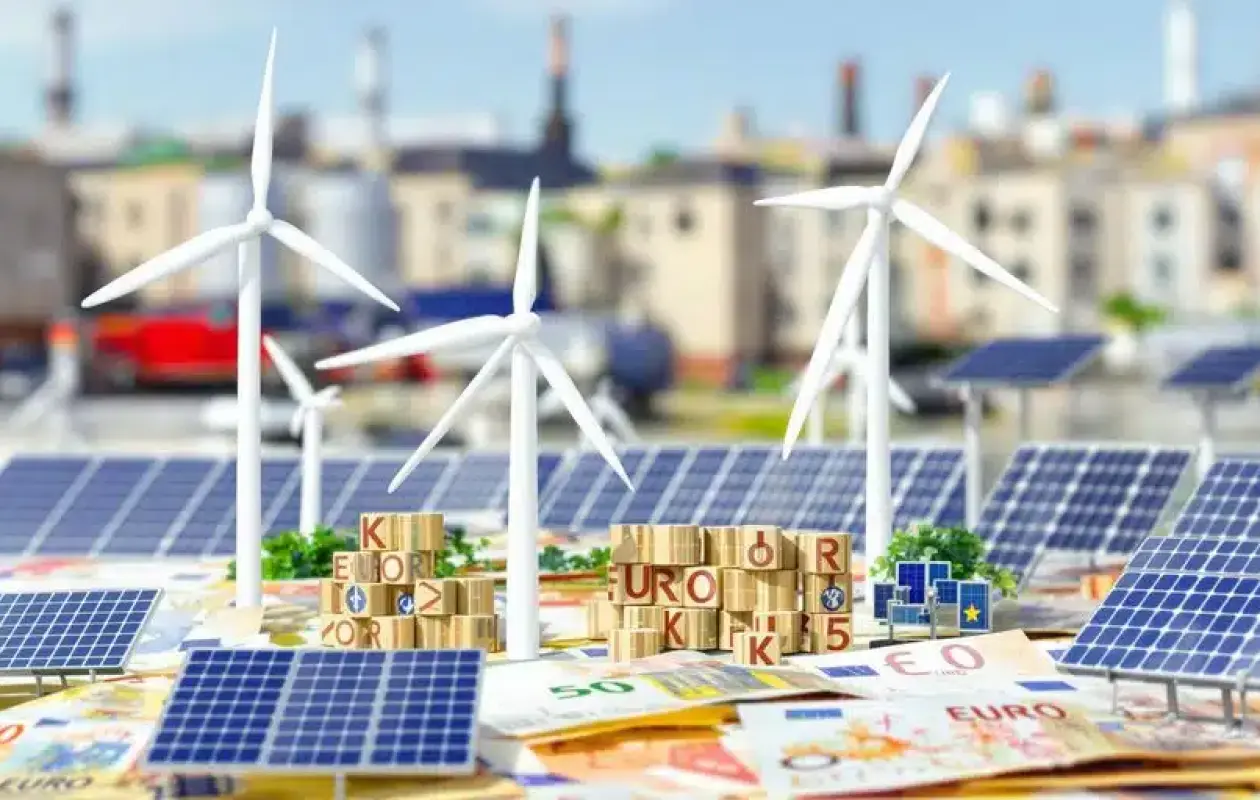
Transition énergétique : Un tournant industriel sous forte exigence financière
The energy transition is gradually becoming a key element of economic policy. For a country that is a net importer of hydrocarbons, reducing dependence on fossil fuels is a lever for macroeconomic stabilization. Fewer purchases of oil and refined products mean a lower energy bill and less exposure to fluctuations in global prices.
But this transformation requires considerable initial investment and rigorous planning.
Senegal has already made a significant shift towards renewable energy. The solar power plants at Bokhol, Malicounda, and Kahone, as well as the Taïba Ndiaye wind farm, have contributed to increasing the share of renewable energy to approximately 30% of installed capacity in recent years. This progress has reduced reliance on fuel oil for electricity production and limited the volatility of generation costs. However, it does not eliminate the need for further investment in grid infrastructure, energy storage, and the management of intermittency.
From an industrial perspective, the energy transition can open up new opportunities. Developing a local sector in solar installation maintenance, component assembly, or the production of intermediate equipment could generate skilled jobs. Value chains related to batteries, smart management systems, and charging infrastructure also represent niches to explore.
Success, however, depends on the ability to develop technical skills and attract industrial partners.
The budgetary dimension remains a key factor. Energy infrastructure projects require significant funding, often supported by concessional loans or public-private partnerships. Financial sustainability depends on balanced contracts and prudent management of long-term commitments. Poorly calibrated tariffs can increase public spending or burden consumers.
The regulatory framework also plays a crucial role. The clarity of the rules, the stability of tariffs, and the credibility of institutions all influence investor appetite. Without legal and financial security, private capital is hesitant to commit to projects with profitability spread over several decades.
The energy transition is not simply an environmental choice. It redefines the production structure, influences the trade balance, and commits public finances in the long term. Its industrial potential is real, provided that investments are supported by a coherent strategy, sound governance, and a controlled budgetary trajectory.














Commentaires (0)
Participer à la Discussion
Règles de la communauté :
💡 Astuce : Utilisez des emojis depuis votre téléphone ou le module emoji ci-dessous. Cliquez sur GIF pour ajouter un GIF animé. Collez un lien X/Twitter, TikTok ou Instagram pour l'afficher automatiquement.