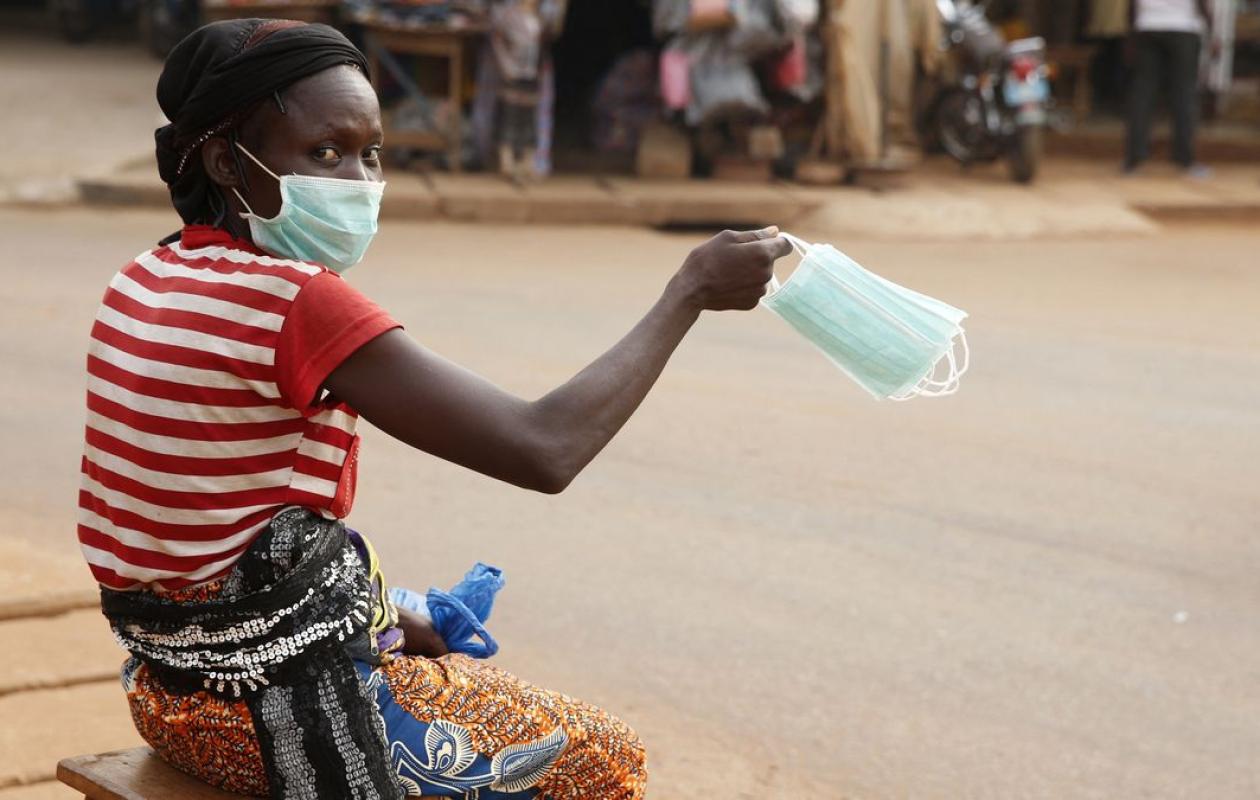
Travailler sans statut, la norme dans de nombreuses économies africaines
In many African countries, informal entrepreneurship is the primary entry point into the labor market. Faced with the scarcity of formal salaried employment, a large portion of the population creates its own businesses, often with little capital and without administrative registration. This phenomenon plays a significant role in social stability, but it also raises questions about the capacity of economies to increase productivity and sustainably finance public policies.
According to data from the International Labour Organization, over 80% of jobs in sub-Saharan Africa are in the informal sector. In Senegal, estimates from the International Labour Office and the Directorate of Forecasting and Economic Studies indicate that the majority of employed individuals work in unregistered or loosely structured economic units. These activities include trade, crafts, transportation, food services, and local services.
The rise of these micro-enterprises is largely explained by the shortage of formal employment opportunities. Every year, thousands of young people enter the job market, while the creation of salaried positions grows more slowly. Informal entrepreneurship then becomes an immediate solution for generating income, however modest. This capacity to absorb the influx of young people limits visible unemployment and helps prevent greater social inequalities.
However, these activities often remain characterized by low productivity. Lack of access to financing, training, and modern equipment reduces growth opportunities. Most informal businesses remain small and operate under precarious conditions, which limits their contribution to economic transformation. This situation partly explains why strong economic activity does not always translate into a corresponding increase in tax revenue or productive investment.
The prevalence of informality also has consequences for public finances. Unregistered economic units largely escape formal taxation, even though they often pay local taxes or indirect levies. This structure reduces the state's capacity to mobilize resources to finance infrastructure, social protection, and public services. It also complicates the implementation of economic policies based on reliable data.
Gradual formalization thus appears as an objective frequently mentioned by economic authorities. It involves not only imposing new administrative obligations, but also creating conditions conducive to the growth of small businesses. Access to credit, simplified procedures, digitalized payments, and an improved business environment can encourage the transition to more structured activities.
The challenge lies in finding a balance between recognizing the social role of informal entrepreneurship and the need to improve the overall productivity of the economy. As long as the majority of jobs remain concentrated in informal activities, growth is likely to remain fragile and fiscal space limited. A gradual shift towards more formal businesses thus appears to be an important condition for supporting sustainable economic transformation.
















Commentaires (0)
Participer à la Discussion
Règles de la communauté :
💡 Astuce : Utilisez des emojis depuis votre téléphone ou le module emoji ci-dessous. Cliquez sur GIF pour ajouter un GIF animé. Collez un lien X/Twitter, TikTok ou Instagram pour l'afficher automatiquement.