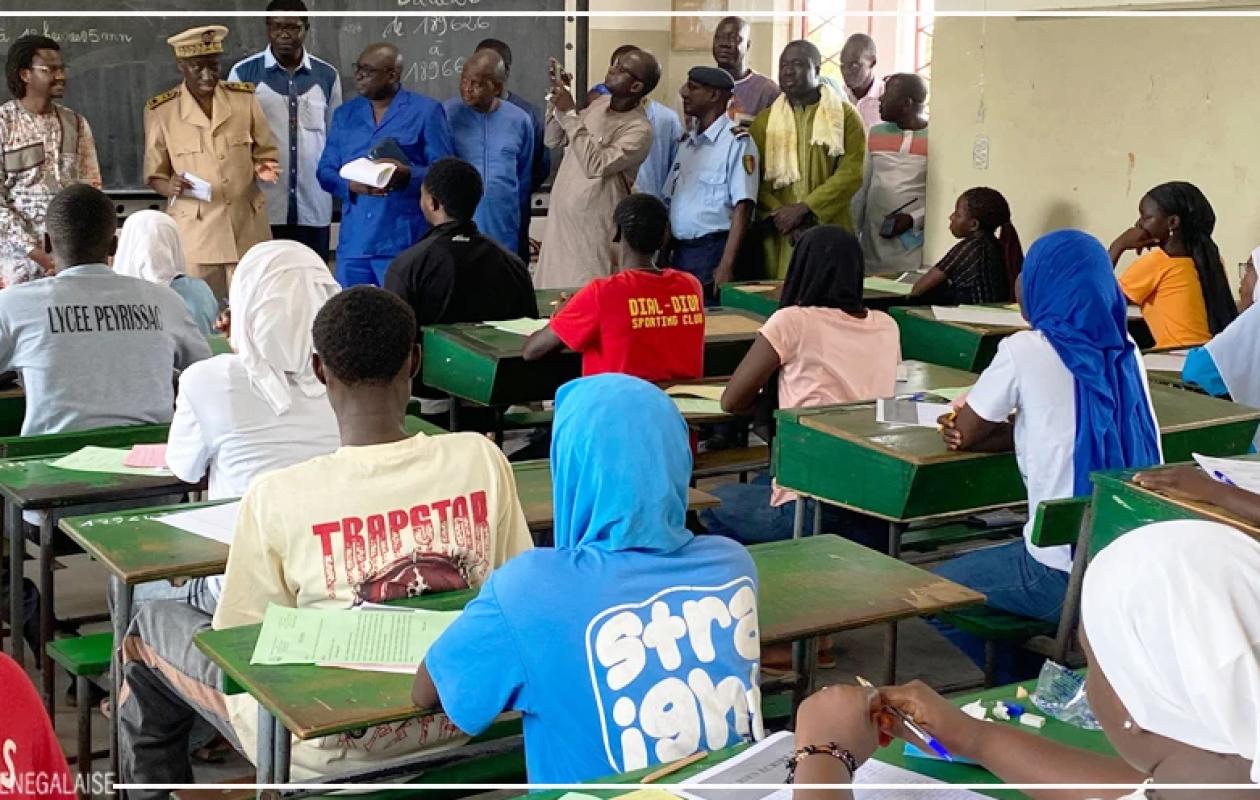
Filières scientifiques : l’éternelle impuissance des gouvernants
The situation was already alarming nearly 10 years ago. “The proportion of students enrolled in humanities programs has steadily increased from 66% in 2001 to 80% in 2017, representing a 1% annual increase. If things don't change, science programs will disappear in 20 to 30 years.” This warning dates back to the workshop on the baccalaureate held in Saint-Louis in 2017. Looking at the 2026 figures, we see that this prediction is likely to come true. According to the French Baccalaureate Office, science candidates represent only 15.55% of the total number of students this year, a decrease of 4.5 percentage points over the past nine years.
During the workshop on the baccalaureate in 2017, it was specified that the S1 series (maths and PC) had gone from 20% in the 60s to 0.5% in the 2010s.
Thus, the National Consultation on the Future of Higher Education in 2013, as well as the National Education Conference in 2014, reiterated the crucial need to enable students to "pursue higher education programs focused on science, technology, engineering, and mathematics (STEM)." This was also emphasized in the National Agenda for the Transformation of Higher Education (Antesri) for 2025.
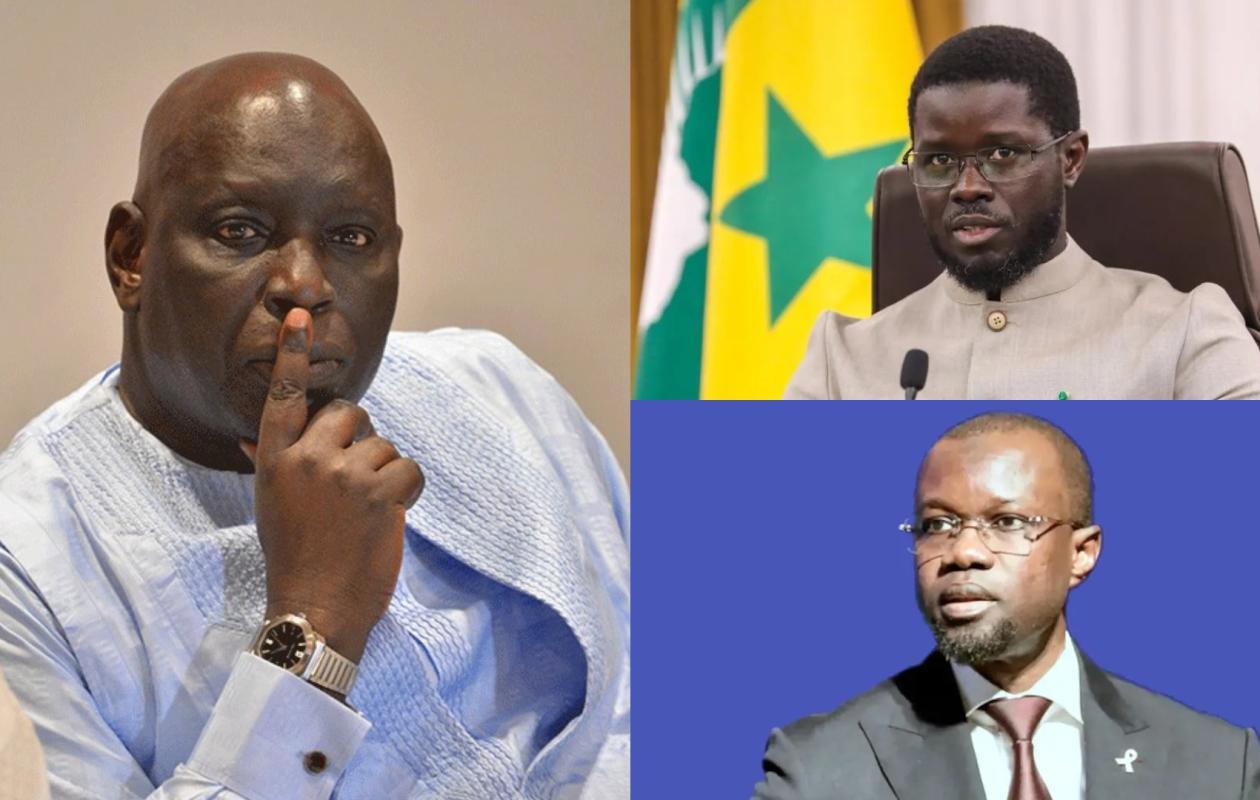
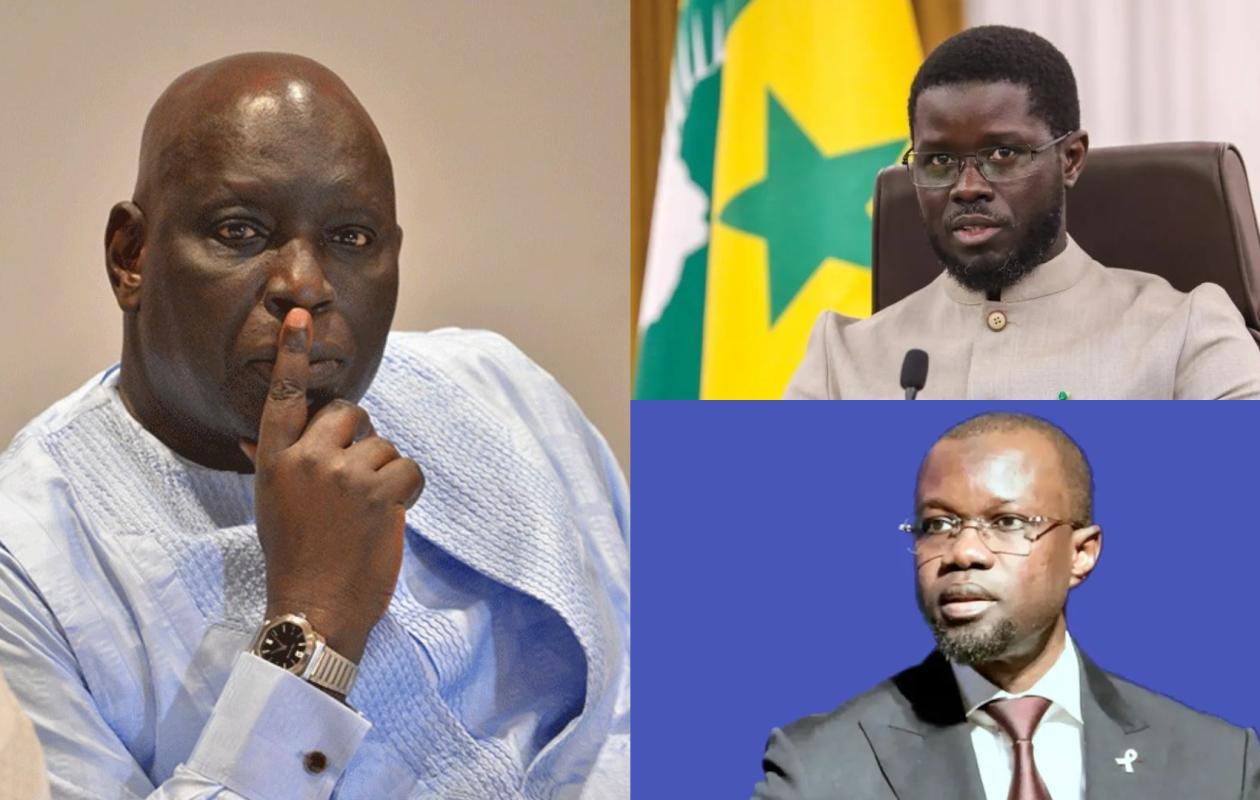
Just three months ago, former Prime Minister Ousmane Sonko announced his ambition to reverse the trend in favor of technical fields. "The Prime Minister instructed the Minister of National Education to undertake, as soon as possible, a thorough review of the guidance and recognition mechanisms for the S, S1, and S3 tracks. (...) The objective is to increase the percentage of candidates in technical fields from 2.07% to at least 15% within five (5) years," stated the press release from the Council of Ministers dated April 1, 2026.
The previous administration of Macky Sall had set a goal of increasing the number of science candidates to 30% of the student body. Currently, however, we are witnessing a continuous decline. And this is precisely the problem: the discrepancy between stated principles and the reality of the figures. Numerous documents contain warnings, alerts, and a strong commitment, but never any tangible results.
It seems as though the Senegalese state is powerless in the face of this persistent reality. Despite different governments, different ministers of education, different prime ministers, and even successive regimes, no progress has been made. On the contrary, we are witnessing a constant and alarming decline in the percentage of students pursuing science.
How can these successive failures be explained? Why does science seem so inaccessible to Senegalese students? Does the government lack the means to reverse this trend?
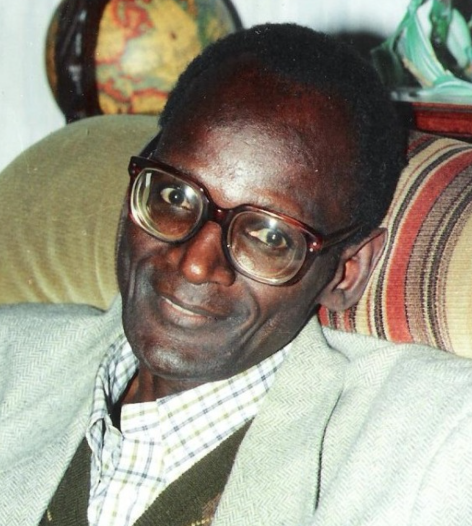
Looking beyond the question of the percentage of science taught, one is tempted to answer in the affirmative. Macky Sall's regime promised to introduce the teachings of Cheikh Anta Diop. This never happened. The introduction of national languages, so often promised, remains tentative. The current regime promised an overhaul of the education system. For now, we are only seeing minor reforms.
Despite numerous consultations, meetings, and discussions since 1981, fundamental changes have consistently failed. Instead, changes have been limited to peripheral aspects. As a result, Senegal remains stuck with a colonial-era school system disconnected from the realities of its people and the aspirations of society. This system produces unemployed graduates in suits while the country suffers from a shortage of skilled workers, technicians, and engineers.













Commentaires (6)
Participer à la Discussion
Règles de la communauté
💡 Astuce : Utilisez des emojis depuis votre téléphone ou le module emoji ci-dessous. Cliquez sur GIF pour ajouter un GIF animé. Collez un lien X/Twitter, TikTok ou Instagram pour l'afficher automatiquement.
Se connecter
Commentez avec votre profil, votre photo, et soyez averti des réponses.