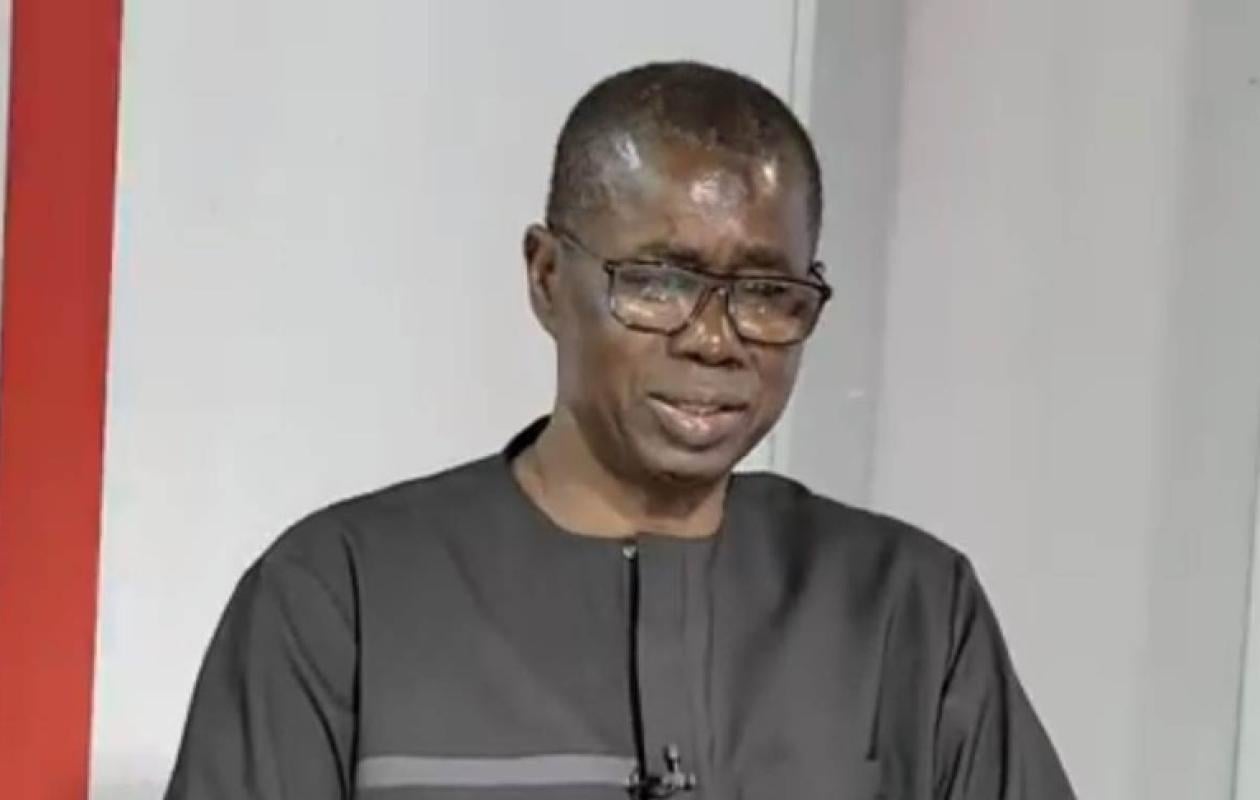
Leadership étudiant : Le diagnostic sans complaisance de l'ancien recteur Abdou Salam Sall
Invited to the Sunday Jury program, Professor Abdou Salam Sall, former rector of Cheikh Anta Diop University of Dakar (UCAD), devoted a large part of his remarks to the issue of university governance, which he considers one of the core issues of the current crisis. For him, the recurring disruptions are not new—the university has experienced them since 1968—but the rise in violence represents a worrying turning point. “In the past, students defended their ideas through argumentation. Today, the argument of force tends to replace the force of reasoned argument,” he lamented.
According to the former rector, the problem lies partly in the evolution of student leadership. The old, highly structured and politically trained student unions have given way to informal associations often lacking theoretical and institutional tools. He therefore advocates for systematic training for elected student representatives, a strengthening of university social dialogue, and more effective disciplinary mechanisms. Professor Sall recalls that a proposal for a university police force, supported by video surveillance, had been considered to better identify troublemakers. It was never implemented. For him, the crisis at UCAD is primarily a crisis of organization and internal regulation.
Structural imbalance
Furthermore, Professor Abdou Salam Sall addressed the issue of the increasing student population at Cheikh Anta Diop University in Dakar, which he considers a key factor in the current tensions. Founded in 1957, UCAD has seen a steady increase in its student body, a direct consequence of the democratization of the baccalaureate. Today, approximately 70% of baccalaureate holders come from humanities tracks, compared to only 30% from science tracks. This imbalance significantly impacts academic guidance and employability.
According to Professor Sall, the Senegalese school system does not adequately inform students about the goals and career prospects of different educational tracks. He did, however, highlight the positive experience of the ISEPs (Higher Institutes of Professional Education), where training is based on 80% practical experience and 20% theory. "Vocational training programs experience far fewer disruptions," he noted. In his view, reform must begin earlier, with improved guidance starting in secondary school.









![[EXCLUSIF] Réseau de voleurs démantelé à Colobane : 500 téléphones, 33 tablettes et des ordinateurs saisis par la SR et le GIGN, 23 arrestations](https://image.seneweb.com/content/news/2026-22-30//thumb_1260x800_6a1b6ac9bcdc7_zf1U3G3p2i.jpg)









Commentaires (3)
Participer à la Discussion
Règles de la communauté :
💡 Astuce : Utilisez des emojis depuis votre téléphone ou le module emoji ci-dessous. Cliquez sur GIF pour ajouter un GIF animé. Collez un lien X/Twitter, TikTok ou Instagram pour l'afficher automatiquement.