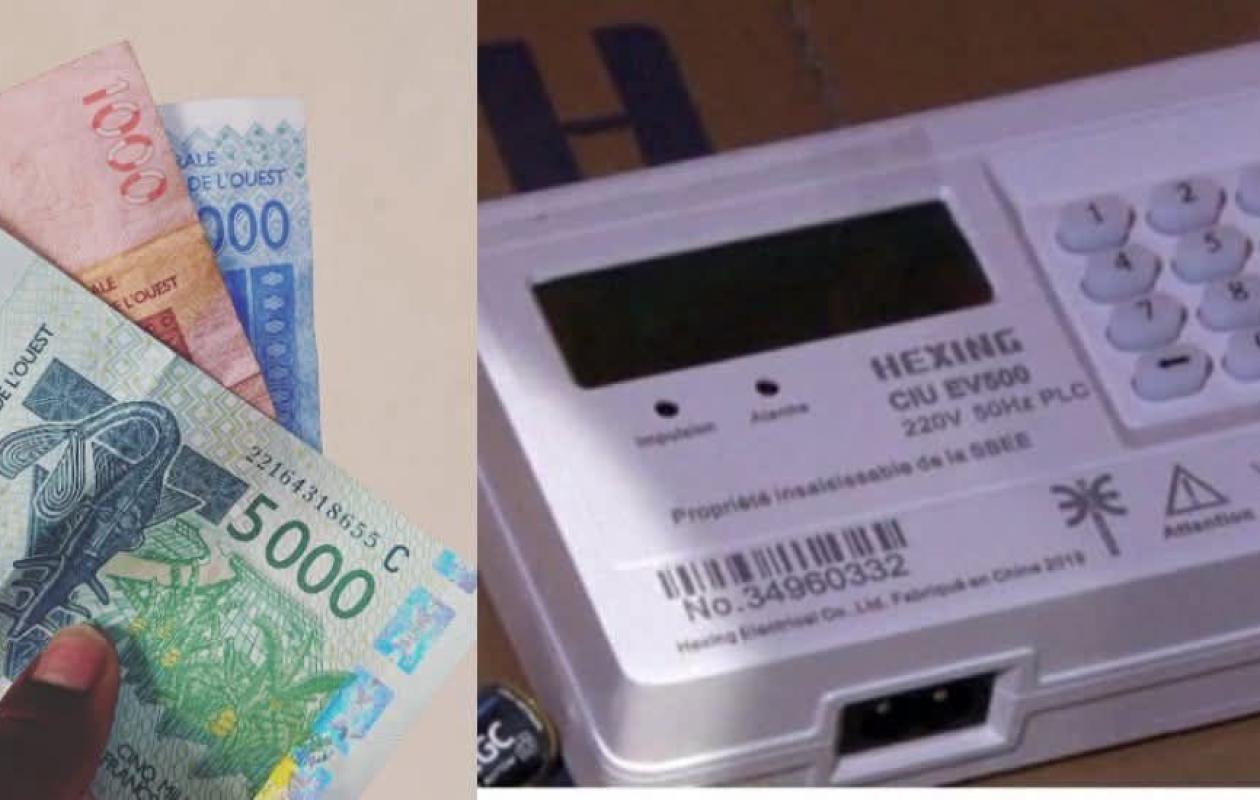
Reprise de Yakaar-Teranga : ce qui va changer sur les factures d'électricité
Senegal has regained full control of the Yakaar-Teranga block, previously held by Kosmos. For Alioune Guèye, CEO of Petrosen Holding, this decision goes far beyond a simple technical adjustment. "It's the assurance of Senegal's energy sovereignty that's at stake," he stated in an interview with Le Soleil.
A gas treasure trove for the national market
Reserves are estimated at between 25 and 32 trillion cubic feet (Tcf), a volume considered exceptional. To put this into perspective, he explains that "one Tcf would give us, at the current consumption rate, 23 years of autonomy." The chosen option is clear: prioritize the local market. The gas will be used by power plants, industries, and households, rather than for export.
Cut the electricity bill in half
Alioune Guèye emphasizes the direct impact on daily life. "With this gas, we can cut electricity production costs in half," he explains. In concrete terms, "someone who pays 100,000 FCFA could see their bill drop to 50,000 FCFA." This decrease in energy costs should also support industrialization: "If this factor is halved, you can imagine the growth of businesses and jobs."
Funding: Drawing inspiration from global success stories
For the first phase, estimated at 1.8 trillion FCFA, Petrosen wants to avoid the traditional models dominated by major oil companies. Alioune Guèye cites the GTA project as a counter-example: “For an investment of 5.4 trillion FCFA, the project will generate between 18 trillion and 24 trillion FCFA over 20 years. However, the majority will go to BP, while Senegal will only receive a limited share.”
He thus advocates for an endogenous model, drawing inspiration from international experiences such as those of Norway and Saudi Arabia, but also from Ethiopia, which mobilized approximately 2.4 trillion CFA francs to finance its large dam, which now covers nearly 40% of its energy needs. "We are not asking for charity, we are asking Senegalese people to invest," he insists, relying on national savings and the diaspora through long-term investments "in accordance with halal principles."
Petrosen alone in control
The decision to operate without a majority partner is consistent with this approach. "A partner's interests differ from those of Senegal," he emphasizes. While companies prioritize exports and quick profitability, the state intends to prioritize internal development and the creation of local value. By managing the project independently, Petrosen aims to maintain control over the economic benefits.
Confident, the interviewee for the national daily newspaper concluded: "I'm not saying 'if', but 'when' we succeed, you will see Senegal on a path of development that nothing can stop."













Commentaires (79)
Participer à la Discussion
Règles de la communauté
💡 Astuce : Utilisez des emojis depuis votre téléphone ou le module emoji ci-dessous. Cliquez sur GIF pour ajouter un GIF animé. Collez un lien X/Twitter, TikTok ou Instagram pour l'afficher automatiquement.
Se connecter
Commentez avec votre profil, votre photo, et soyez averti des réponses.