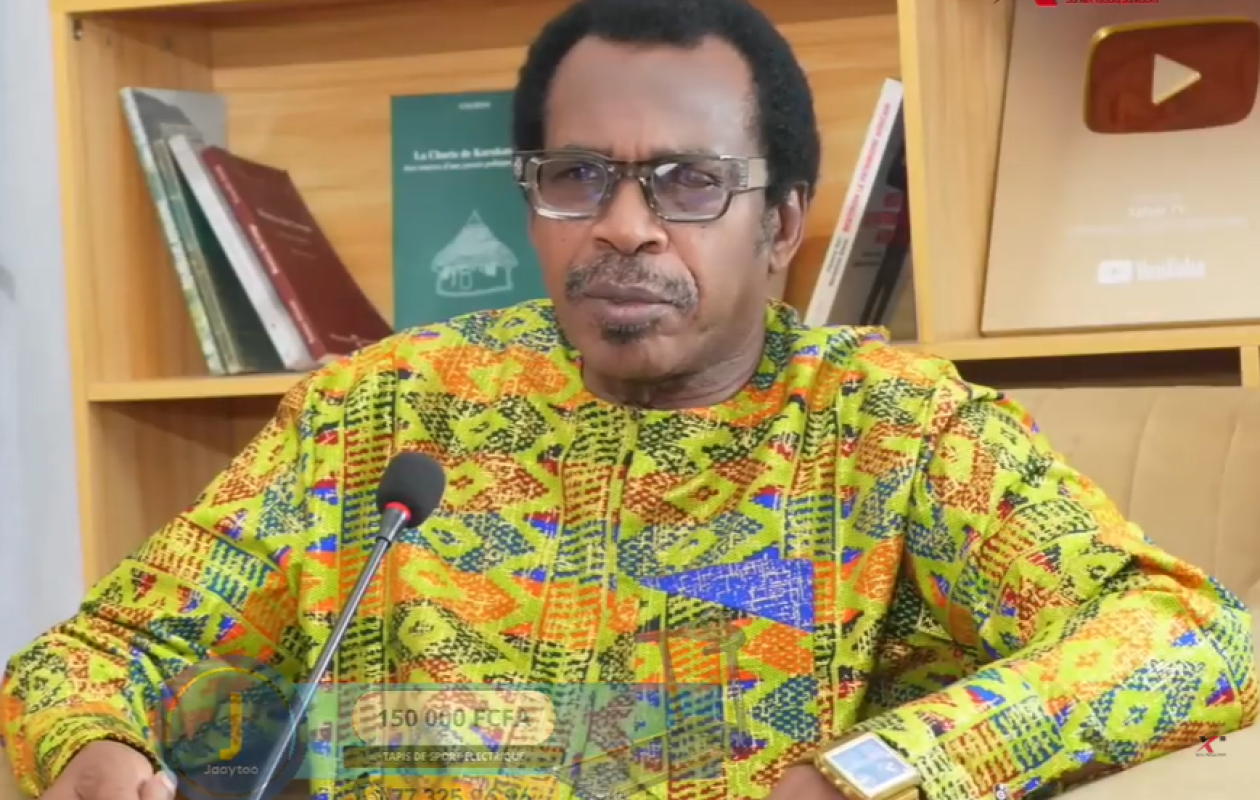
Tabaski, prix du mouton et terrorisme : Le diagnostic sans filtre du Dr Abdoulaye Arona Kâ
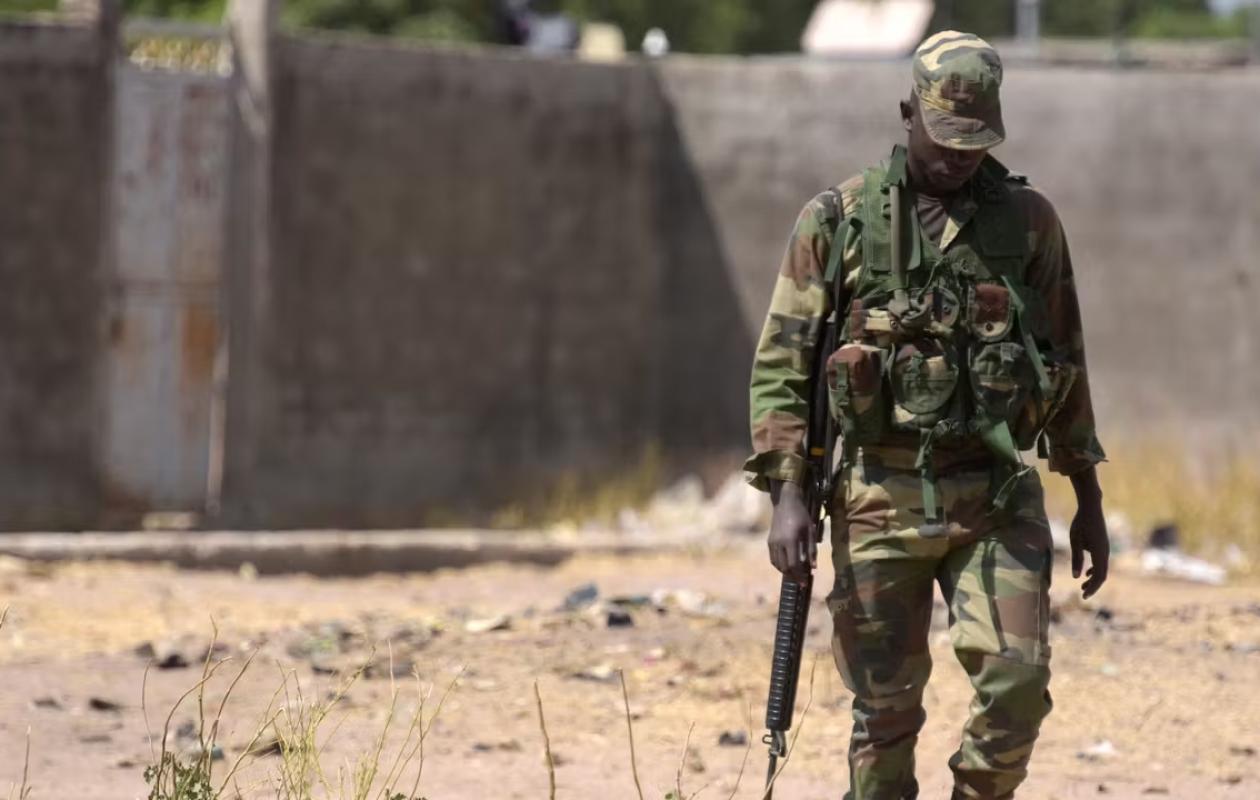
With Tabaski 2026 just weeks away, insecurity in Mali, Senegal's main supplier of livestock, casts a shadow over the supply of the national market. Between jihadist blockades, rising logistical costs, and sovereignty concerns, Dr. Abdoulaye Arona Kâ, President of the Senegalese Farmers' Confederation, offers a frank analysis of this year's challenges and groundbreaking solutions for the future.
Seneweb: Doesn't the blockade decreed by the jihadists around Bamako and on the roads create disruptions to the supply of the Senegalese market, given that Mali represents a major source of livestock?
Dr. Abdoulaye Arona Kâ : Indeed! These attacks will inevitably impact the Tabaski festival in Senegal. We are well aware that Mali and Mauritania remain the two main suppliers of sheep for Tabaski in Senegal.
Were the livestock farming areas coveted by importers particularly affected by these attacks?
Of course! We have three main points in the Nioro region of Mali through which sheep pass: the towns of Nara and Béma, and the Troungoumbé area. Two of these areas have been attacked by terrorists: Troungoumbé and Béma. However, the town of Nara has not been surrounded by the attackers.
But will the transport be possible? Is the city of Nara alone sufficient to satisfy the Senegalese market?
The municipality of Nara is located near the border with Mauritania. Until now, it has been possible to import livestock there. We are currently studying the possibility of transporting all the Tabaski sheep through there.
Since this detour involves passing through Mauritania, won't that risk generating additional costs?
Will the Mauritanians not demand taxes? We don't know yet, but it's very likely. In that case, it will indeed generate additional costs.
"It is up to the State to approve the price of inputs to allow farmers to sell their sheep at lower prices."
What are the alternatives to prevent similar crises in the future?
The solution is here and nowhere else. Importing anything in the future is out of the question. The state must invest in the local market. Senegal can supply itself with enough sheep for each Eid al-Adha celebration.
But customers often complain about the high price of rams on the domestic market...
You know, shepherds invest considerable resources to produce large rams. If their production costs are high, they can't be blamed. It's up to the government to regulate the price of inputs to allow farmers to sell their sheep for less.
As an expert, do you believe that local farmers could meet global demand in the future?
In Senegal, we have 19 million inhabitants and we need approximately 980,000 sheep for Tabaski (Eid al-Adha). We import 350,000 to 400,000 head each year for the benefit of Malian herders, which costs us up to 30 billion CFA francs. This is unacceptable. Livestock farming in Senegal should benefit Senegalese herders. It is up to the government to change this situation by supporting local stakeholders in order to achieve livestock sovereignty.
"A member of the Confederation was killed in Mali and robbed of 40 million."
Are there any other consequences linked to these massive imports?
Of course. There is a public health issue. Imported sheep often need to be vaccinated upon arrival. However, some vaccines require a three- or four-month waiting period for an immune response before the meat can be consumed. If this waiting period isn't respected, it can be dangerous. Diseases are often observed after the festival.
What exactly do you expect from the authorities?
The government needs to consult with the real stakeholders: the livestock farmers, the butchers, the importers. The satellite organizations don't have a grasp of the situation on the ground. The proof is that it was members of the Confederation who were sent to Mali to assess the situation and study solutions.
Is there a risk of terrorist infiltration among traders and couriers?
A member of the Confederation was killed in Mali and robbed of 40 million intended for the purchase of livestock. With terrorists, no risk can be ruled out.
Is there a backup solution in case Mali fails to deliver?
Niger could be an alternative, although this possibility has not yet been exploited.
Interview conducted by Fatoumata Kidiera









Commentaires (1)
Participer à la Discussion
Règles de la communauté :
💡 Astuce : Utilisez des emojis depuis votre téléphone ou le module emoji ci-dessous. Cliquez sur GIF pour ajouter un GIF animé. Collez un lien X/Twitter, TikTok ou Instagram pour l'afficher automatiquement.