Sénégal : Une dégradation continue des ressources naturelles impose une réponse stratégique urgente
Faced with progressive soil erosion, dwindling vegetation cover, and an accelerated loss of biodiversity, Senegal is experiencing a silent but persistent ecological crisis. Under the combined effects of climate change and population growth, this degradation threatens environmental balance and livelihoods, making structured and sustainable action more necessary than ever.
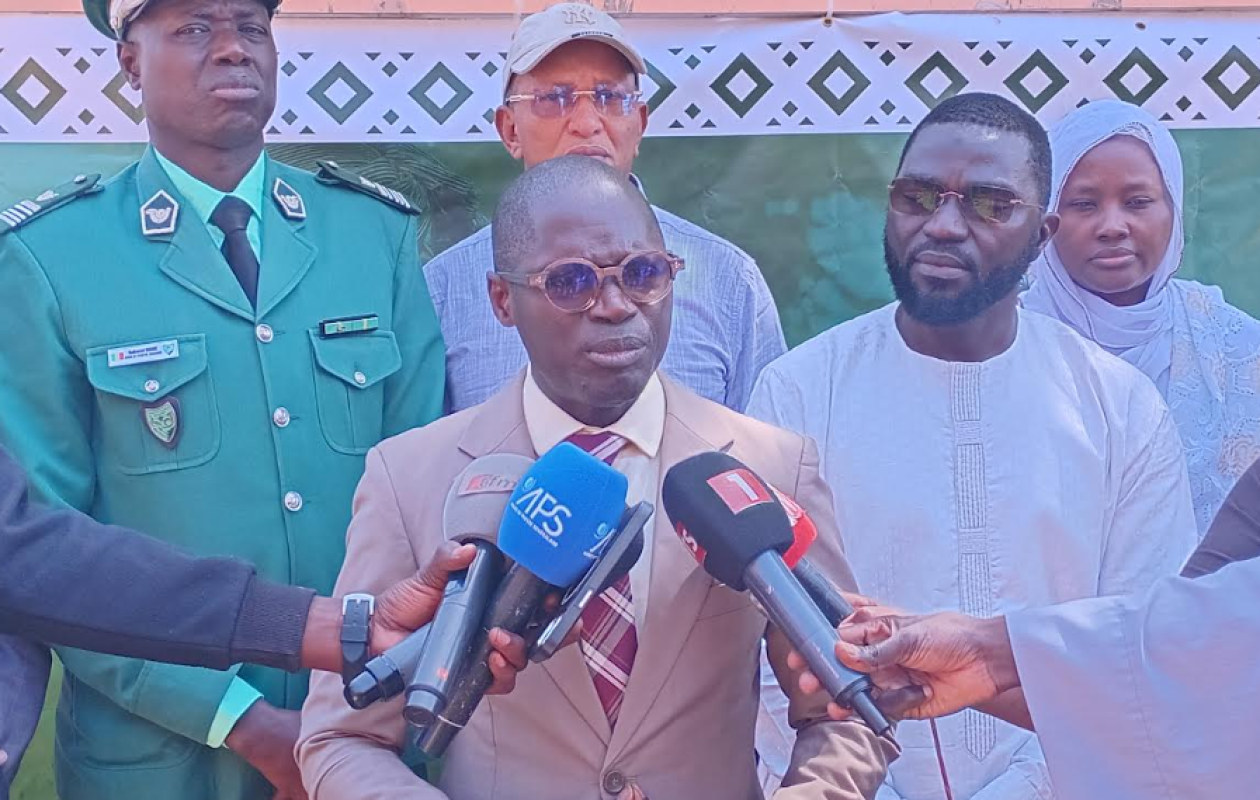
It is in this context that the Senegalese Agency for Reforestation and the Great Green Wall (ASERGMV) officially launched, in Saly, the work of developing its Strategic Development Plan (PSD) 2026-2030. A step considered decisive to strengthen its role in the fight against the degradation of natural resources and climate change.
Its director general, Dr. Sékouna Diatta, stressed the urgent need to act in the face of the ongoing deterioration of ecosystems in Senegal. "It is no longer simply a matter of observing, but of deciding, acting, and transforming. Senegal is facing increasing pressure on its natural resources, marked by land degradation, the depletion of vegetation cover, and the loss of biodiversity. This situation is exacerbated by the effects of climate change, which directly threatens livelihoods, particularly in rural areas," he stated.
According to Dr. Diatta, this strategic plan is fully in line with the National Vision Senegal 2050, which makes the ecological transition a lever for economic, social and territorial sovereignty.
Thus, ASERGMV aims to play a central role in the restoration of degraded lands, large-scale reforestation, the promotion of sustainable production models, and the creation of green jobs, particularly for young people and women.
"The PSD must be an operational tool, a real lever for impact and not just another document in our archives," the director general insisted.
The workshop, scheduled to last several days, brings together stakeholders from across the agency, from the central level to the regional offices, as well as members of the Supervisory Board. The objective is to conduct a frank assessment, redefine strategic directions, and propose concrete solutions to improve the institution's effectiveness.
Dr. Diatta also reaffirmed their commitment to reaching a performance contract, a guarantee of modern and results-oriented management.
Despite its ambitions, ASERGMV faces several constraints, including insufficient human and financial resources, the problem of access to water and the need to mobilize more funding, including through public-private partnerships.
Dr. Diatta also emphasized the fight against bushfires, considered a major obstacle to reforestation. "Not burning our forests is already a big step towards reforestation," he stressed.
For his part, Colonel-Major Babacar Dione, Director of Water and Forests, recalled the importance of this strategic plan as a roadmap for the period 2026-2030. He emphasized the need to strengthen the resilience of communities to desertification, particularly through reforestation, restoration of vegetation cover and the fight against soil erosion.
He also stressed the importance of awareness and logistical resources to effectively combat bushfires, which are mostly caused by humans.
This strategic plan will also allow ASERGMV to better structure its interventions and to mobilize funding from technical and financial partners.
Ultimately, the goal is to generate visible results on the ground, particularly in terms of creating ecovillages, promoting non-timber forest products and developing green jobs.
Dr. Sékouna Diatta called for collective mobilization to make this plan a true tool for transformation. "History will remember not what we said, but what we transformed. The time for strategic action begins here," he urged.
















Commentaires (0)
Participer à la Discussion
Règles de la communauté :
💡 Astuce : Utilisez des emojis depuis votre téléphone ou le module emoji ci-dessous. Cliquez sur GIF pour ajouter un GIF animé. Collez un lien X/Twitter, TikTok ou Instagram pour l'afficher automatiquement.