Futur chef de l'ONU: Qui sont les quatre prétendants à la succession de Guterres ?
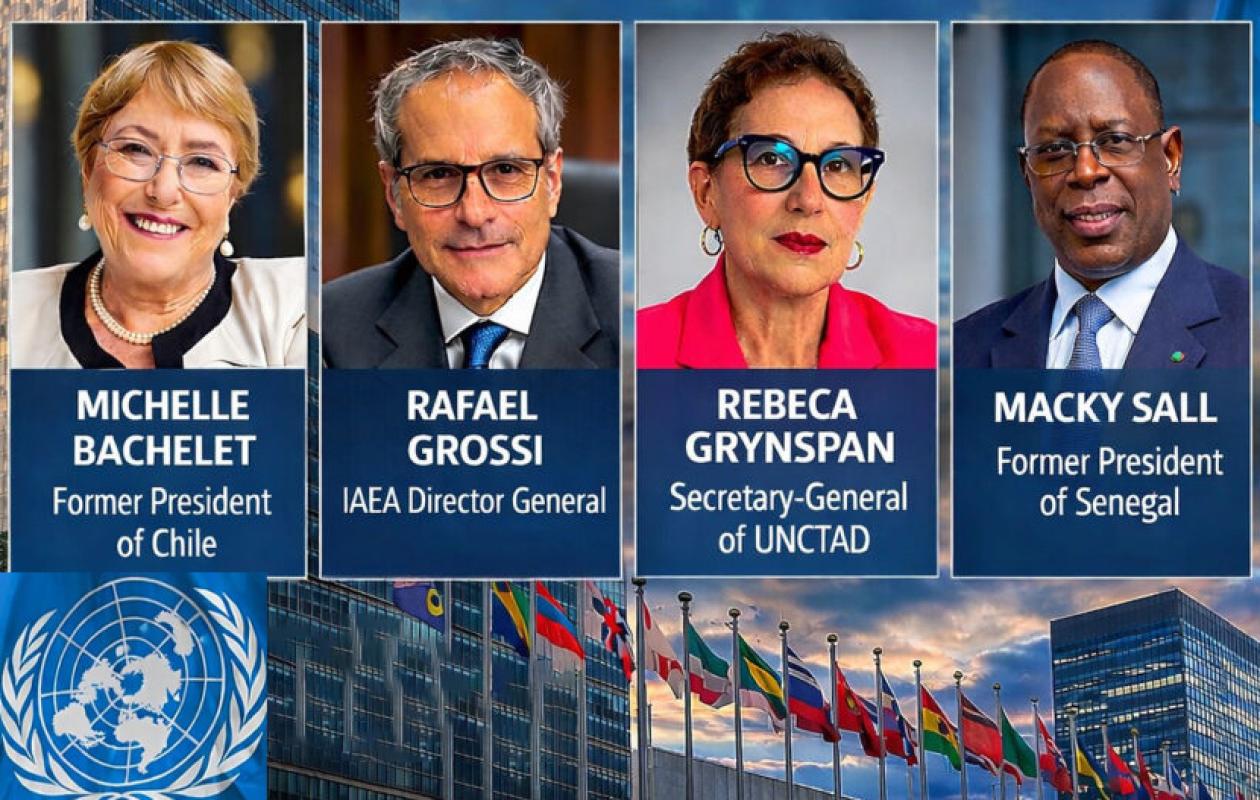
The four declared candidates to succeed UN Secretary-General Antonio Guterres will be questioned publicly this week, a preliminary step before designating the person who will lead an organization in the midst of a storm.
Chilean Michelle Bachelet, Argentinian Rafael Grossi, Costa Rican Rebeca Grynspan and Senegalese Macky Sall will each be subjected for three hours, on Tuesday and Wednesday, to questions from the 193 member states and representatives of civil society.
This is only the second time the UN has organised this "grand oral", created in 2016 for greater transparency.
Many states are advocating for a woman to take the helm of the UN for the first time, and Latin America is claiming the position under a tradition of geographical rotation, which is not always respected.
But it is the members of the Security Council - in fact the five permanent members with their right of veto (United States, China, Russia, United Kingdom, France) - who truly hold the future of the candidates in their hands.
The next secretary-general will have to be in line with "American values and interests," warned US Ambassador Mike Waltz.
The four official candidates to date to take the helm of the UN on January 1, 2027 all emphasize the need to rebuild trust in an organization that has been battered and is on the verge of financial crisis.
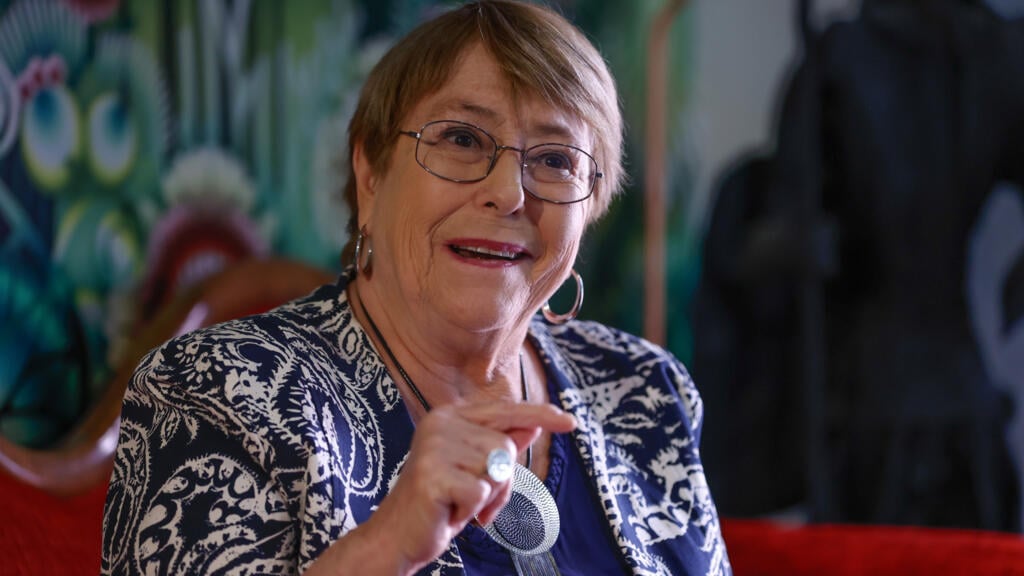
Aged 74, the socialist, tortured for her opposition to the regime of Augusto Pinochet, was the first female president of Chile (2006-2010 then 2014-2018), becoming a leading international political figure.
His time at the head of the UN High Commissioner for Human Rights (2016-2022), a sensitive position, attracted some resentment.
China had strongly criticized its publication of a damning report on the plight of the Uyghur minority.
In her letter outlining her "vision" as Secretary-General, Michelle Bachelet said she was "convinced" that her experience had "prepared her to face" this era in which the international system "faces challenges of unprecedented scale, urgency and complexity".
His candidacy is supported by Mexico and Brazil. His own country, Chile, withdrew its support after the inauguration of the new far-right president, José Antonio Kast.
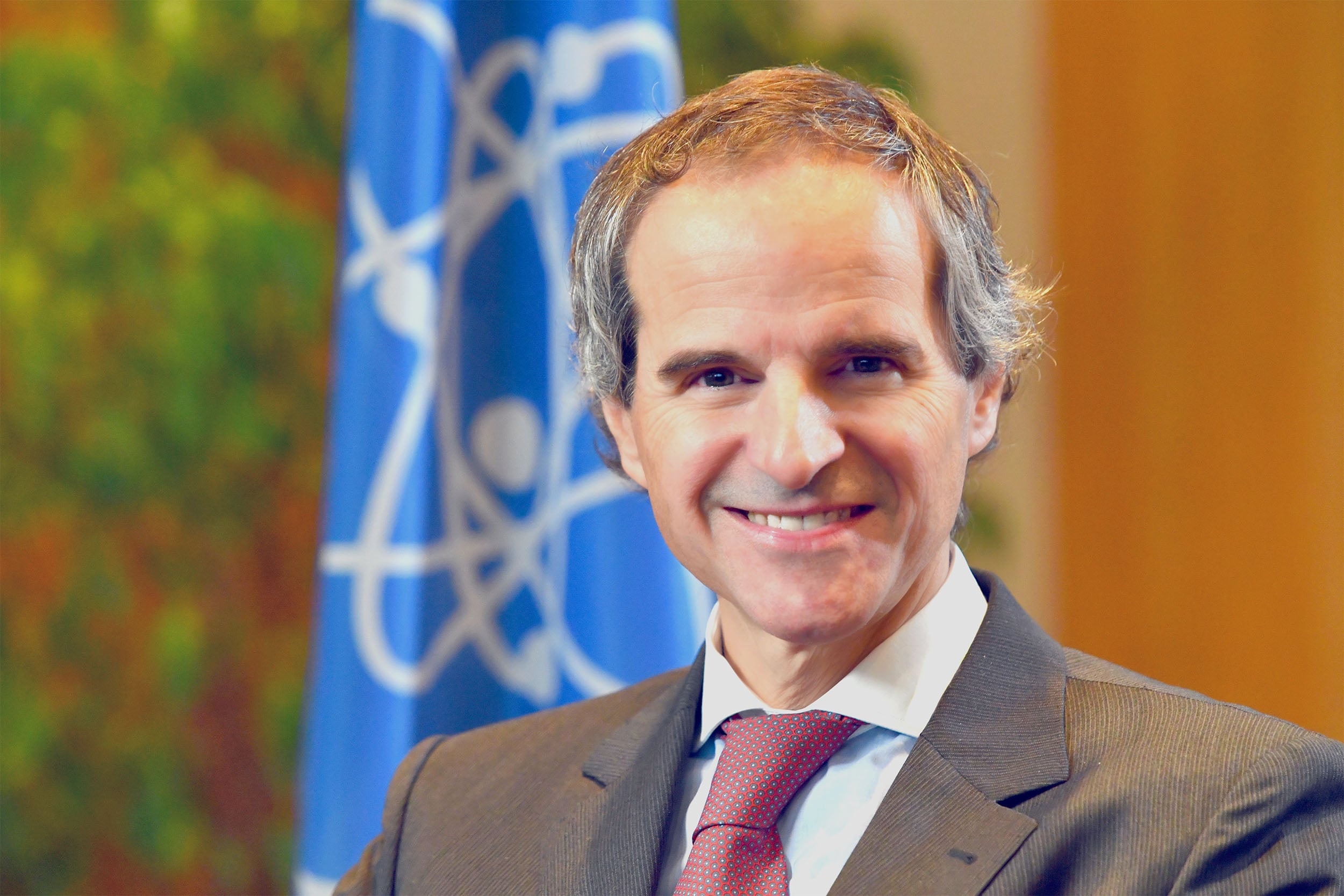
A career diplomat, the 65-year-old Argentinian came into the spotlight when he took over as head of the International Atomic Energy Agency (IAEA) in 2019.
This position led him to deal with the Iranian nuclear program and the dangers posed by the Zaporizhzhia nuclear facility in Ukraine, occupied by Russian forces. These are two highly sensitive issues involving several permanent members of the Security Council.
In his letter of application, he argues for a "return (of the UN) to its founding principles: saving humanity from the scourge of war." This is a message championed by the Trump administration, while other states emphasize the importance of the coexistence of the three UN pillars (peace, human rights, and development).
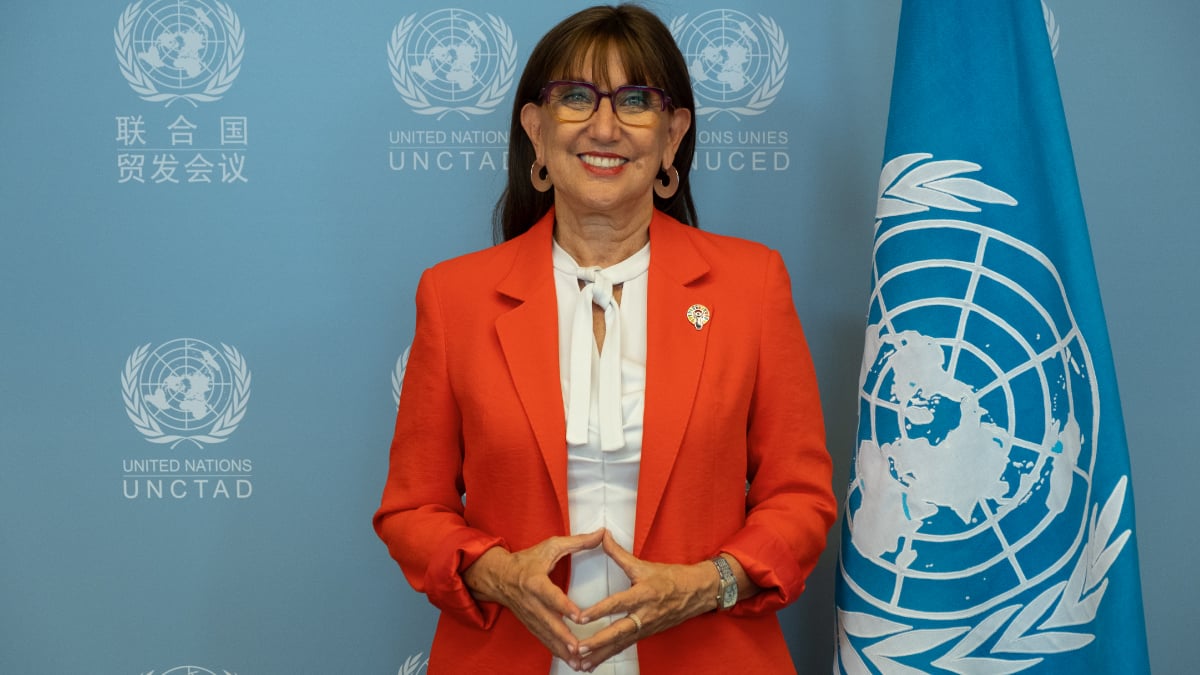
The former vice-president of Costa Rica, little known to the general public, heads the UN agency for trade and development (UNCTAD). In this capacity, she negotiated the "Black Sea Initiative" with Moscow and Kyiv in 2022 to facilitate the export of Ukrainian grain after the Russian invasion.
Drawing on her personal history, with Jewish parents who "barely survived" the Holocaust before immigrating to Costa Rica, she emphasizes her commitment to the UN Charter, founded on the ashes of the Second World War: "a permanent warning against the dangers of dehumanization, mistrust and fragmentation".
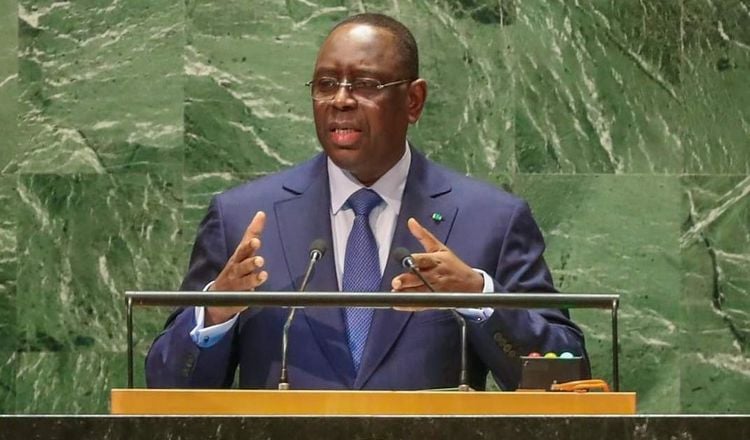
Macky Sall, 64, is the only candidate not from Latin America .
The former Senegalese president (2012-2024) insists in his "vision" on the intrinsic link between peace and development, the former not being able to be "sustainable" when the second pillar is undermined "by poverty, inequality, exclusion and climate vulnerability".
His candidacy for the UN, put forward by Burundi - which holds the rotating presidency of the African Union - is not supported by the regional bloc, 20 of whose 55 member countries have opposed it, nor by his own country.
The current Senegalese authorities accuse him in particular of having repressed in blood the violent political demonstrations which caused dozens of deaths between 2021 and 2024.
AFP







Commentaires (29)
Participer à la Discussion
Règles de la communauté :
💡 Astuce : Utilisez des emojis depuis votre téléphone ou le module emoji ci-dessous. Cliquez sur GIF pour ajouter un GIF animé. Collez un lien X/Twitter, TikTok ou Instagram pour l'afficher automatiquement.