ASER : « LAMP » Sène abdique et la vérité rattrape le mensonge d’État
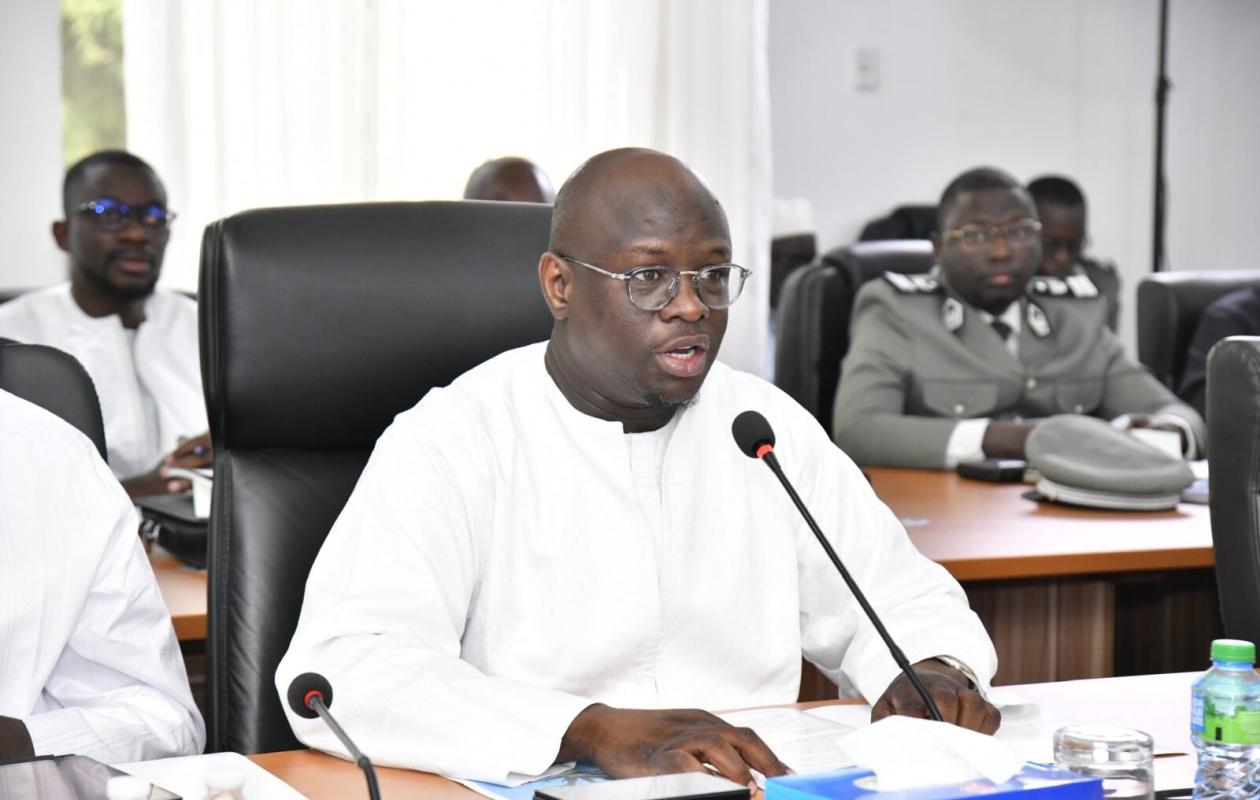
The summons of Jean-Michel Sène to the Research Section, followed by his complaint against his predecessor Baba Diallo, is not an act of transparency. It is an admission. A belated, clumsy, and politically devastating admission.
For months, the Senegalese people were subjected to a carefully orchestrated charade: a project presented as a model of execution, so perfectly managed that its director general even adopted the nickname "Lamp." Any suspicion was immediately dismissed. This aggressive and costly political communication aimed to stifle any serious oversight of how the disbursed funds were used. Today, this house of cards is collapsing.
Let's be clear: the Senegalese people were deliberately deceived.
When MP Thierno Alassane Sall exercised his constitutional role of parliamentary oversight, he received no answers. Instead, he was subjected to attacks: public insults, organized smear campaigns, and political intimidation orchestrated to the highest levels of the executive branch, including the Prime Minister. The government chose to crush him rather than respond. In doing so, it knowingly sabotaged democratic debate on one of the country's most vital issues.
At the same time, media outlets such as Xalat TV, Sunugal24, Solutions TV, Sans Limites, and Yoor-Yoor were mobilized as propaganda tools. Influencers were enlisted. Hasty staged events were organized to create the illusion of a movement. And yet, a central question remained unanswered: what became of the 37 billion CFA francs pledged?
Today, the answer is damning: after 22 months, fewer than 40 villages out of more than 1,700 planned have been electrified . This isn't a delay. It's a disaster. A disaster that demands not just explanations, but legal action, without exception, without immunity, without compromise.
Let us remember that this project was supposed to be completed in June 2027. Given the temporary suspension from November 21, 2024 to February 21, 2025, the deadline could be pushed back to October 2027. But in the villages, this arithmetic of deadlines means only one thing: more years in the dark.
"One cannot simultaneously be the man of 'everything is fine' and the man of 'everything was compromised before my arrival'. This contradiction is not a communication blunder. It is a major moral and political error."
The scapegoat, the last refuge of a failing system
Faced with this catastrophic situation, the regime's response is disconcertingly banal: to designate a scapegoat. Jean-Michel Sène is now accusing his predecessor, Baba Diallo. Too convenient. Too late. Too transparent in its execution.
Because throughout this entire period, Jean-Michel Sène himself maintained that everything was fine. He reassured everyone, downplayed the situation, and contradicted the warnings. His versions of events unfolded like a series of fictions:
Even more serious: his attitude sometimes gave the disturbing impression that he was defending the interests of his contracting party more than those of the Senegalese people.
His complaint against Baba Diallo seems less like an act of justice than a calculated legal diversion, a smokescreen intended to obscure responsibility at a time when it is pointing directly at him. Why not file a complaint against AEE Power EPC, the company to which the funds were paid, as well as against its representative, José Gonzales Tauz?
If Baba Diallo is at fault, it could only be in collusion with the latter.
As the person responsible for operationalizing the market, Jean-Michel Sène stated that he reviewed and then renegotiated the contract. He redefined its terms. He therefore bears full responsibility. It's worth remembering: when overbilling is suspected, legal action is taken. One does not renegotiate a potentially criminal act —at the risk of becoming an accomplice.
A system of governance based on concealment
Beyond the individuals involved, it is a system that is being revealed. The shift from a project of national interest to an object of political warfare has deliberately blurred the lines — pitting parliamentary control against institutional communication, to the detriment of the facts and the most vulnerable Senegalese.
What's shocking isn't just the failure. It's the methodical strategy deployed to conceal it:
This is not an isolated error. It is a system of governance based on concealment: where public speech is used to protect oneself, where responsibility is always shifted elsewhere, where facts are only acknowledged when it becomes impossible to deny them any longer.
Governing is not limited to inaugurating or communicating. Governing means taking responsibility for the results, whether or not they align with the promises made. Jean-Michel Sène cannot hide behind Baba Diallo, behind procedures, or behind tactical complaints. He is fully and completely accountable for the situation.
In a Republic worthy of the name, one does not only inherit positions and the advantages that accompany them. One also inherits responsibilities.
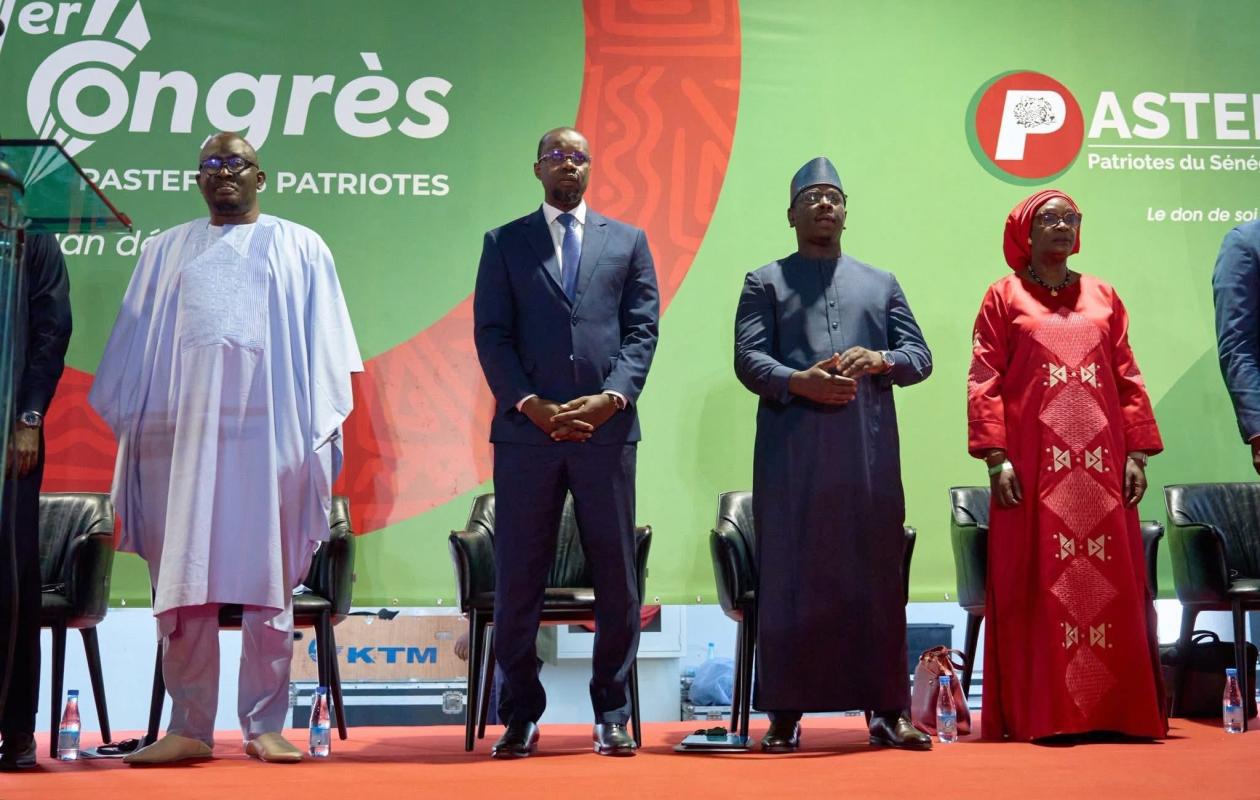
This situation also raises a broader question: how did we get here? The alignment between skills, experience, and level of responsibility remains a fundamental requirement of good governance. This is precisely the purpose of the call for applications promised by PASTEF—which they ultimately ignored, since few would have attained the positions they hold today through a transparent, meritocratic process.
One requirement now stands out, without ambiguity: that justice be served rigorously, for all — former and current officials — and that every fault be punished to the extent of the harm caused to the Senegalese people.
Today, the mask has fallen. And behind the rhetoric, a stark reality persists: the villages are still in the dark. Depriving rural areas of an essential service while concealing the failures behind a carefully crafted political narrative: this constitutes not only mismanagement, but a moral and potentially criminal offense.
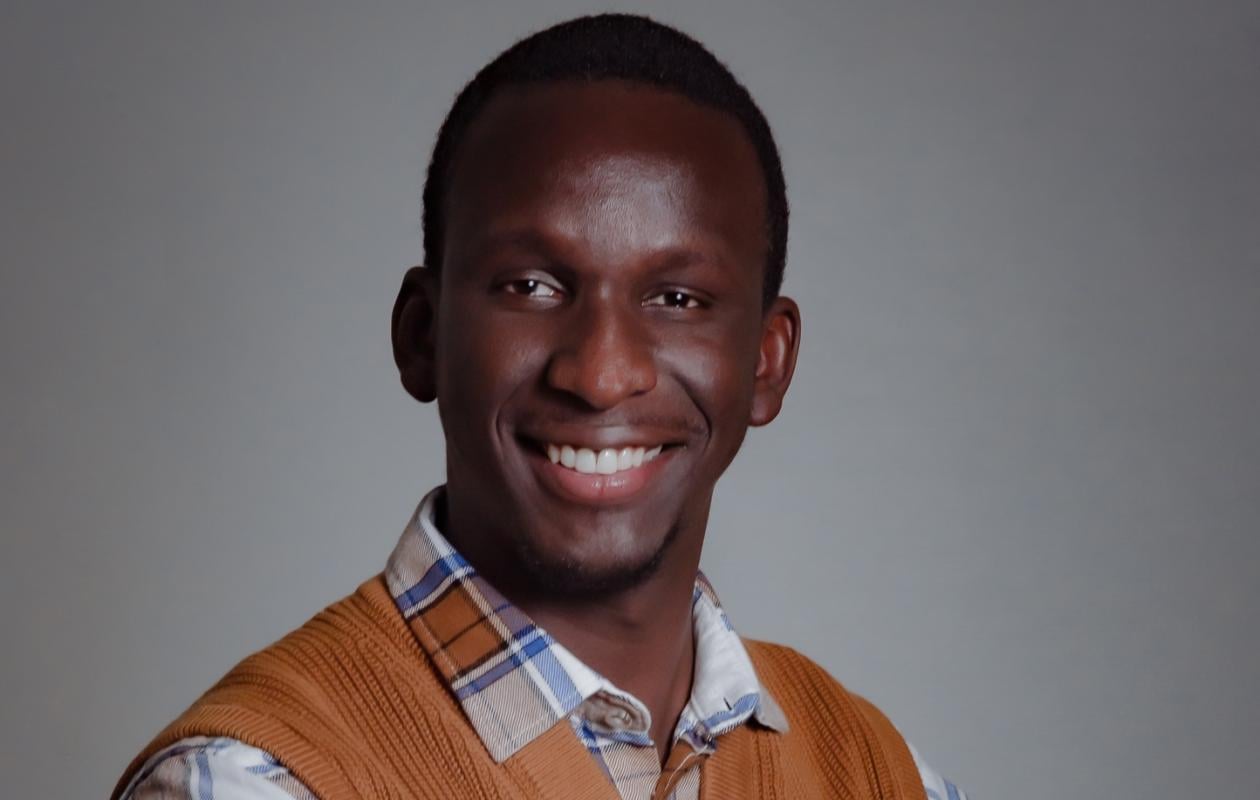
By Ibrahima NDIAYE
Civil Engineer
Head of the National Youth Movement of the Republic of Values in France













Commentaires (15)
Participer à la Discussion
Règles de la communauté :
💡 Astuce : Utilisez des emojis depuis votre téléphone ou le module emoji ci-dessous. Cliquez sur GIF pour ajouter un GIF animé. Collez un lien X/Twitter, TikTok ou Instagram pour l'afficher automatiquement.