Réforme du Code électoral : la fin des articles « liberticides » ?
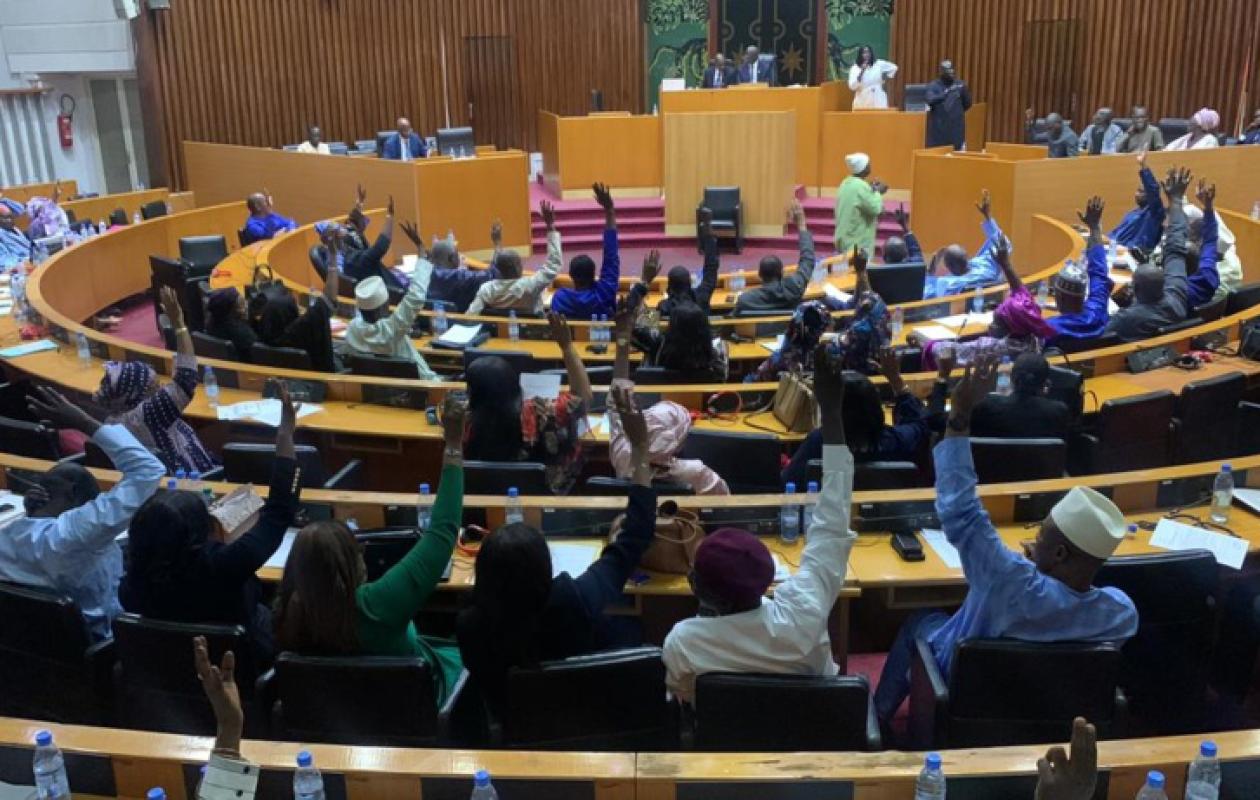
Members of the National Assembly's Law Committee have adopted Bill No. 11/2026. This bill, which provides for a thorough overhaul of eligibility requirements, aims to definitively end the era of automatic exclusions that have characterized recent electoral cycles, according to the official report. For the parliamentarians who sponsored this bill, it signals the end of articles deemed "liberty-restricting."
At the heart of this reform lies the desire to purge the Electoral Code of provisions deemed excessive by the majority's commissioners. Articles L.29 and L.30, often described as "catch-alls," are directly targeted. Article L.30, which resulted in disqualification from holding office for a simple fine exceeding 200,000 CFA francs, is simply repealed in the interest of strengthening inclusivity. For MP Mohamed Ayib Salim Daffé, one of the main initiators of the legislation, the aim is to protect "democratic vitality" against the abusive use of disqualifications. The reform now introduces a harmonized and limited five-year disqualification period, starting from the date the conviction becomes final.
The specter of an "ad personam" law
Despite the bill's adoption by a majority vote, committee debates revealed persistent divisions. Some committee members felt this legislative haste masked a law of convenience. Some did not hesitate to point out that the reform seemed geared towards an individual situation, specifically mentioning the case of Ousmane Sonko, leader of the former PASTEF party. Faced with these criticisms, the bill's authors countered with the general and impersonal nature of the text. They emphasized that, beyond prominent political figures, this reform would benefit any Senegalese citizen unjustly excluded from the electoral process for minor offenses. "This is not about legislating for a specific person, but about preventing the recurrence of arbitrary situations," they stressed during the discussions.
Between urgency and consensus
The other sticking point concerns the method. The parliamentary opposition deplored the use of the emergency procedure and the absence of prior inclusive dialogue, recalling that electoral reforms in Senegal are traditionally the result of a consensus between stakeholders.
Nevertheless, for the majority, the urgency is dictated by the international calendar. Community standards prohibit any substantial modification of the electoral law within six months of an election. By acting now, Parliament intends to secure the upcoming process and ensure that voters' choices are no longer restricted by outdated legal obstacles. Invited to comment, the Minister of Justice, Ms. Yacine Fall, welcomed a more coherent reform that better meets democratic requirements. The text is now submitted to a vote in the plenary session, the final step before its promulgation.
















Commentaires (3)
Participer à la Discussion
Règles de la communauté :
💡 Astuce : Utilisez des emojis depuis votre téléphone ou le module emoji ci-dessous. Cliquez sur GIF pour ajouter un GIF animé. Collez un lien X/Twitter, TikTok ou Instagram pour l'afficher automatiquement.