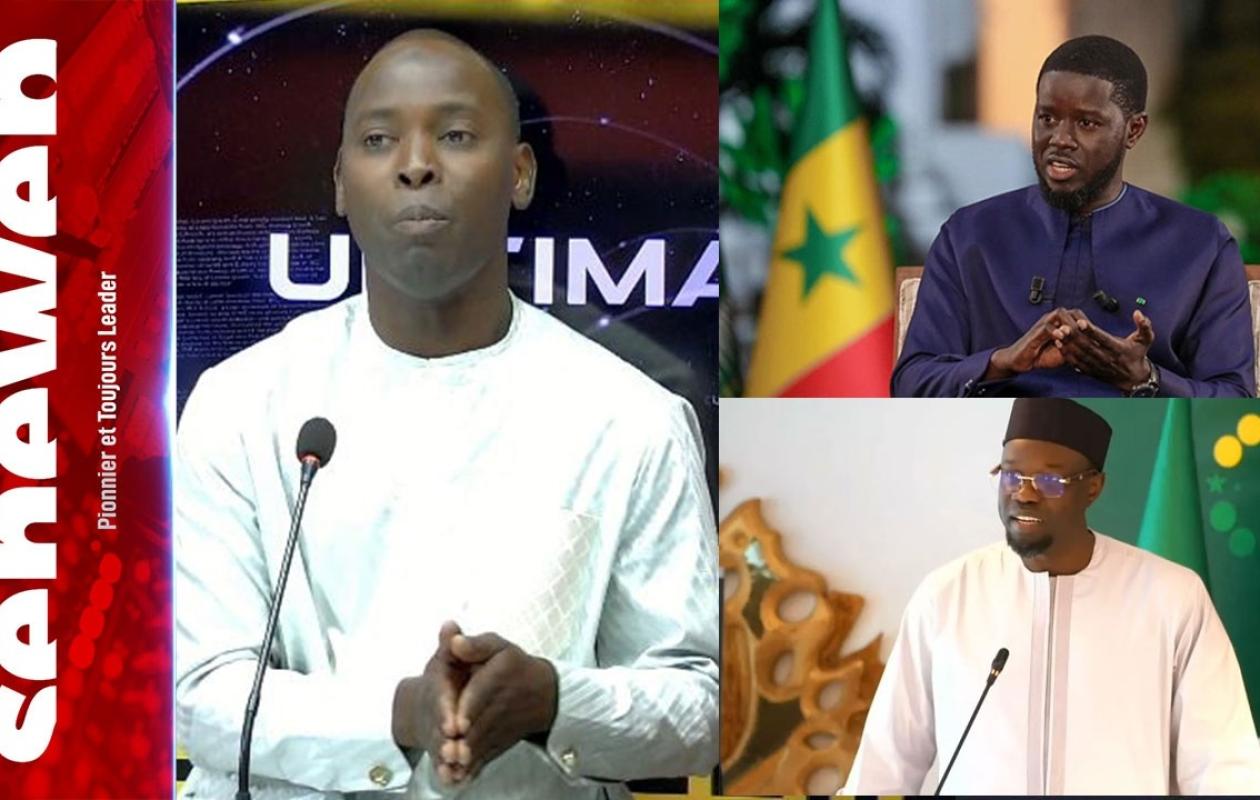
Réformes constitutionnelles : Daouda Mine explique pourquoi rien n'a vraiment changé au sommet de l'État
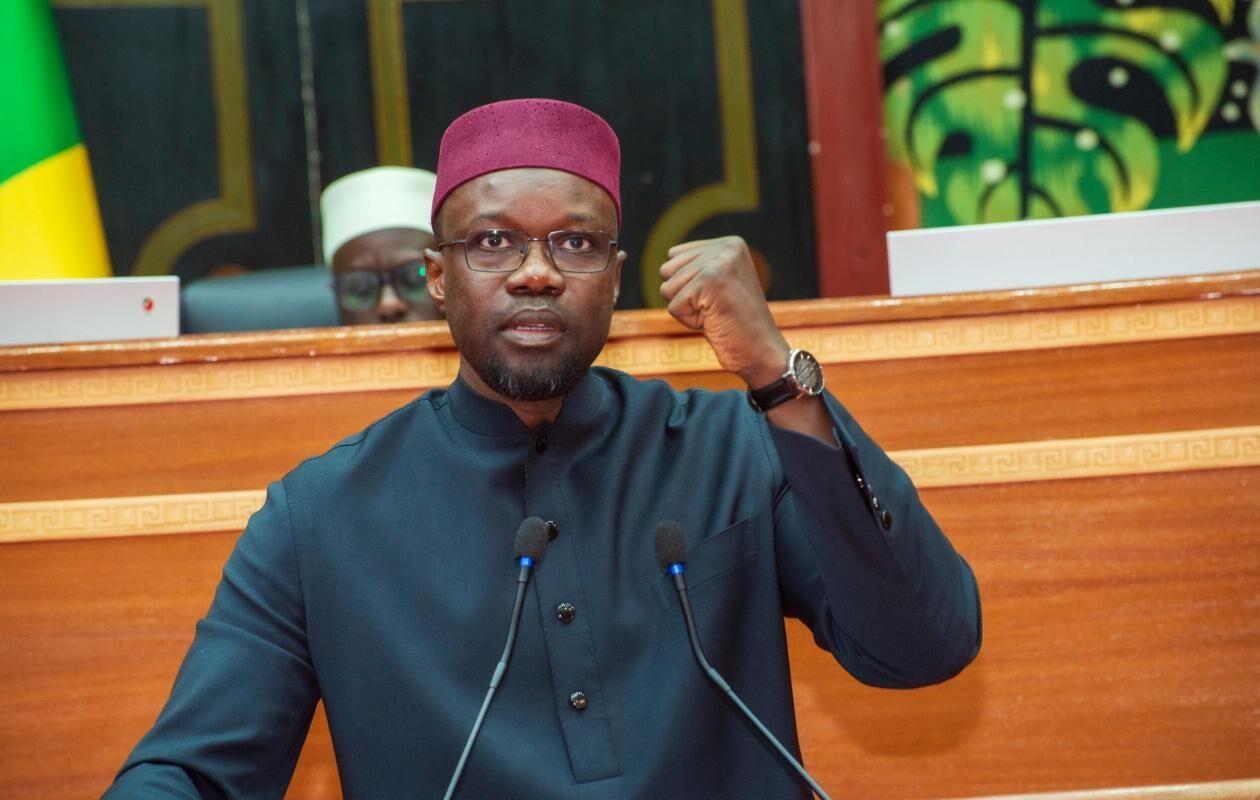
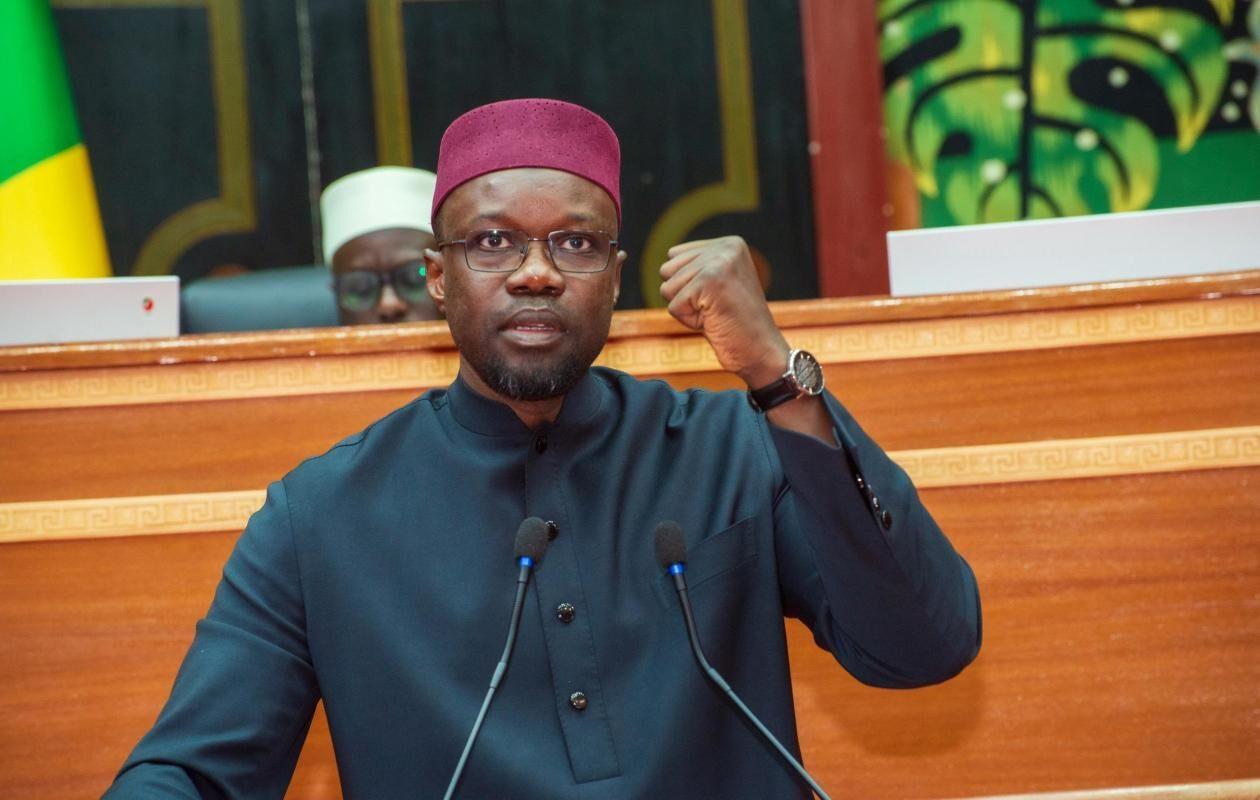
Invited to the Seneweb program ULTIMATUM, journalist Daouda Mine brought a significant nuance to the debate on the evolution of Senegalese institutions. According to the legal expert, the idea of a substantial strengthening of the Prime Minister's powers is more rhetoric than legal reality. Contrary to expectations raised by recent constitutional reforms, the President of the Republic has not transferred any significant prerogatives to Ousmane Sonko.
According to him, Senegal's institutional architecture remains largely dominated by the presidential function. The head of state retains most of the decision-making power and continues to define the nation's political direction. Daouda Mine emphasizes that the adjustments made are more akin to delegation mechanisms than a genuine rebalancing of powers within the executive branch. While the prime minister can now chair the Council of Ministers in the president's absence and has the power to refer matters to the Constitutional Council, these advances do not constitute a major structural transformation.
Ultimately, despite the officially stated desire to reduce hyper-presidentialism, the journalist's diagnosis is unequivocal: the President of the Republic retains a central and hegemonic position in the conduct of state affairs. This configuration effectively limits the real autonomy of the head of government, whose actions remain closely tied to the presidential will. For Daouda Mine, the fundamental balance of executive power in Senegal therefore remains unchanged.
















Commentaires (0)
Participer à la Discussion
Règles de la communauté :
💡 Astuce : Utilisez des emojis depuis votre téléphone ou le module emoji ci-dessous. Cliquez sur GIF pour ajouter un GIF animé. Collez un lien X/Twitter, TikTok ou Instagram pour l'afficher automatiquement.