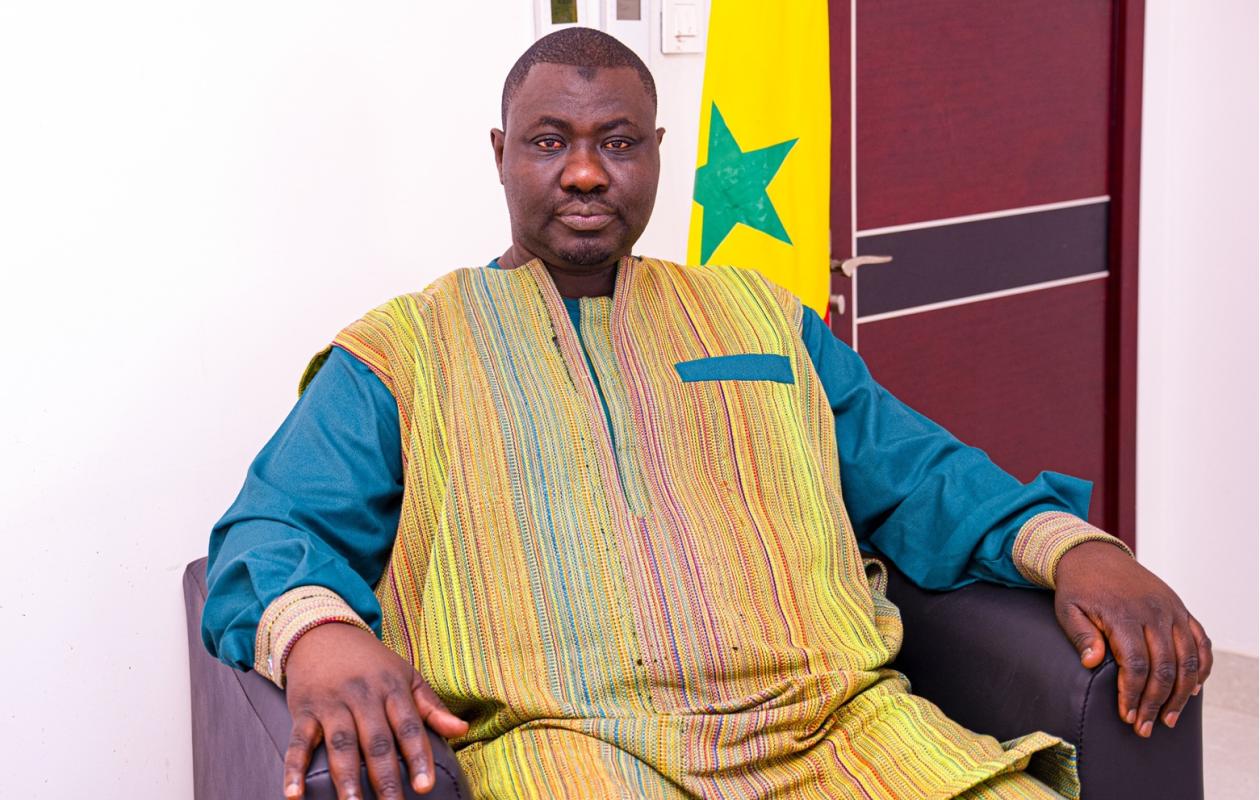
1er mai : Omar Dramé, le nouveau visage du syndicalisme de combat
International Workers' Day is celebrated this May 1st. On this occasion, Omar Dramé's words resonate with particular intensity. General Secretary of the Union of Fisheries and Aquaculture Workers of Senegal, coordinator of the inter-union group in the primary sector, and an active participant in several public sector advocacy groups, he embodies a grassroots, demanding, sometimes risky, but resolutely social justice-oriented unionism.
A commitment rooted in childhood
For Omar Dramé, commitment is nothing new. It's rooted in a personal journey marked by taking on responsibilities from a young age. As a pupil, a student, and later a civil servant, he has always distinguished himself through his leadership skills and involvement in collective initiatives. "I've always been driven by the desire to lead, to take on responsibilities, and above all, to fight against injustice," he explains. This constant naturally led him to unionism upon joining the civil service in 2016. His commitment quickly attracted attention. Without even seeking a position initially, he joined the existing union's governing bodies before rising through the ranks. In 2022, during the renewal of the executive committee, his election as general secretary seemed a natural fit to his peers. "The workers had already seen the results of my commitment," he explains.
Concrete battles, tangible results
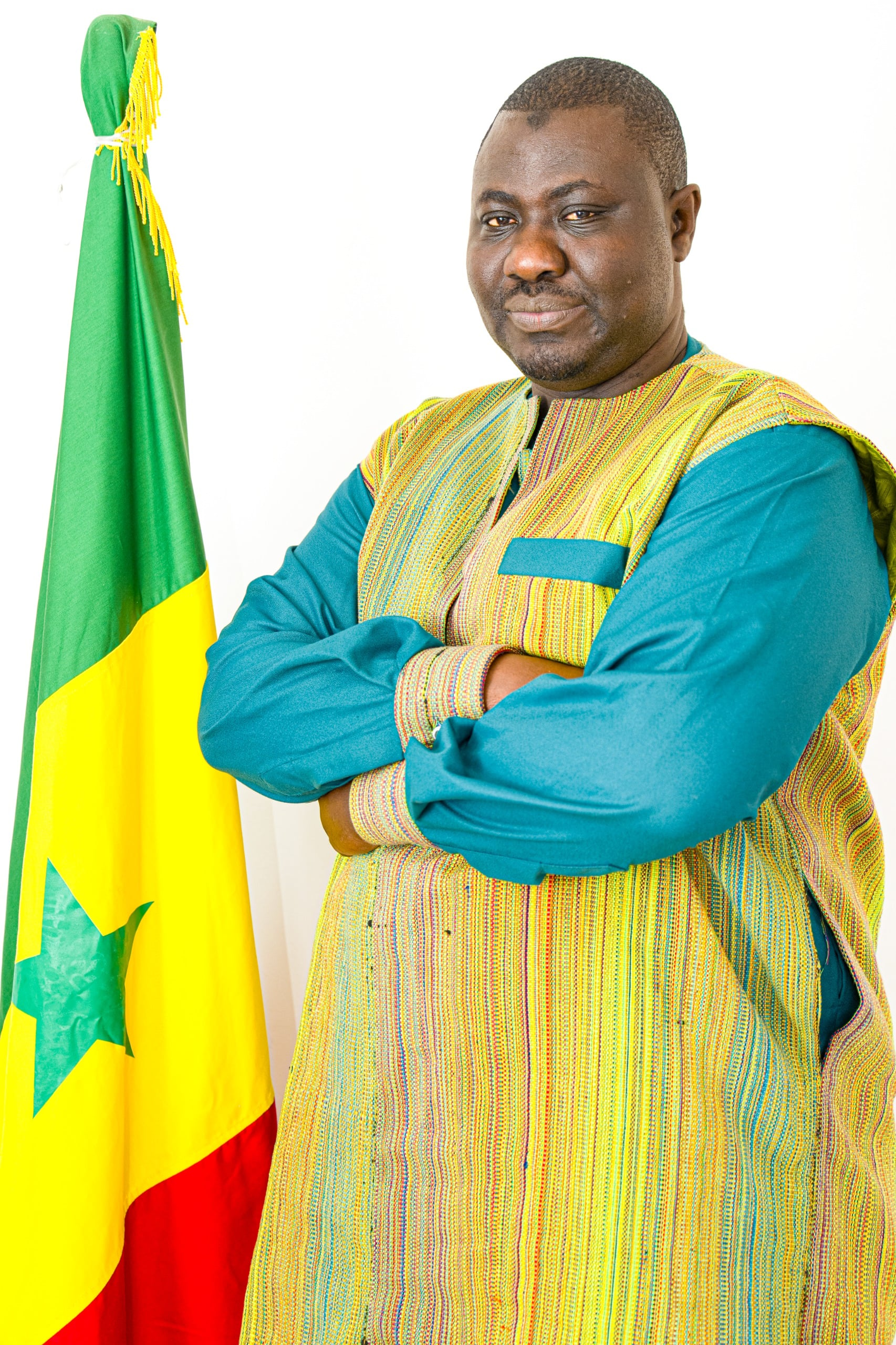
Omar Dramé's union activism is driven by a results-oriented approach. Among his proudest achievements is securing a bonus for fishing sector workers, a demand nearly 30 years in the making. "It was historic. For the first time, these workers received financial recognition," he emphasizes. This progress is complemented by other gains: the inclusion of some workers in the 2022 salary increases, advancements in career paths and certifications, and the granting of housing allowances. "Nothing was easy. Every achievement is the result of a struggle," he insists.
But his commitment doesn't stop at traditional demands. He develops a broader vision of unionism, geared towards the overall improvement of workers' living conditions. Thus, his organization has established a contribution system for retirement, in partnership with an insurance company; a health insurance plan to cover workers, particularly contract workers who are often overlooked; a subsidy for medications; purchasing group projects to reduce the cost of living; and cooperative initiatives to facilitate access to housing. "Unionism must support workers from their entry into the civil service until retirement," he asserts.
The shock of the layoffs and the red line
Despite these advances, certain events have deeply affected the union representative. He cites, in particular, the recent dismissals in his sector, which he considers unfair. "Workers with permanent contracts, years of service, dismissed overnight without cause. It's a social tragedy," he laments. This type of situation, according to him, constitutes a red line. "We cannot accept that families are plunged into precariousness in this way," he insists, reiterating that his struggle is first and foremost about humanity.
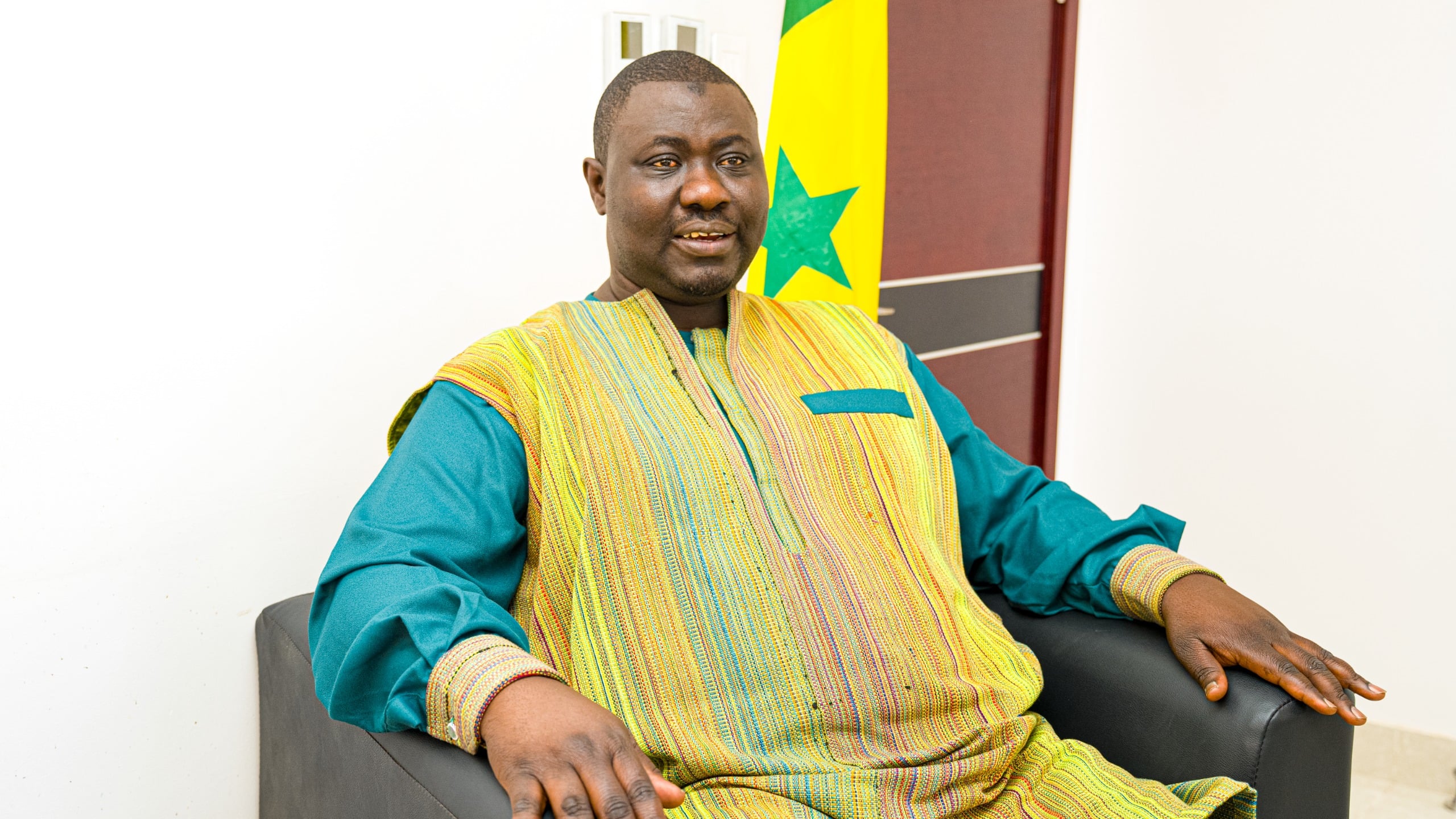
At the head of the interministerial collective of Senegalese civil servants, Omar Dramé is extending his fight beyond his original sector to give voice to thousands of workers facing structural difficulties. In this capacity, he has distinguished himself through coordination, advocacy, and mobilization efforts aimed at harmonizing demands and achieving concrete progress for all public employees. He emphasizes cross-cutting struggles concerning career advancement, allowances, working conditions, and professional recognition. "We are not making new demands, but rather addressing commitments already made by the State that are slow to be honored," he insists. Through this collective, he also defends contract workers, often marginalized within the administration, advocating for their integration into the civil service and improved social security coverage. For him, this unified framework represents a strategic lever for strengthening the balance of power, pooling resources, and having a greater impact on social dialogue at the national level.
An administration caught between established practices and archaic practices
With clear-sightedness, Omar Dramé acknowledges the strengths of the Senegalese administration. "It's a high-quality administration, with competent staff," he admits. But he also points to structural limitations. According to him, one of the main challenges remains modernization. "The regulations are outdated. The administration must evolve with the times, integrate new technologies, and become more efficient," he explains. He also denounces certain practices he considers flaws: political appointments, lack of transparency, and insufficient recognition of experience. "The right people aren't always put in the right positions," he laments. For him, reforms are slow to materialize due to a lack of political will. "A profound reform disturbs certain interests. That's why it's often blocked," he asserts.
Pressure, intimidation, and personal sacrifices
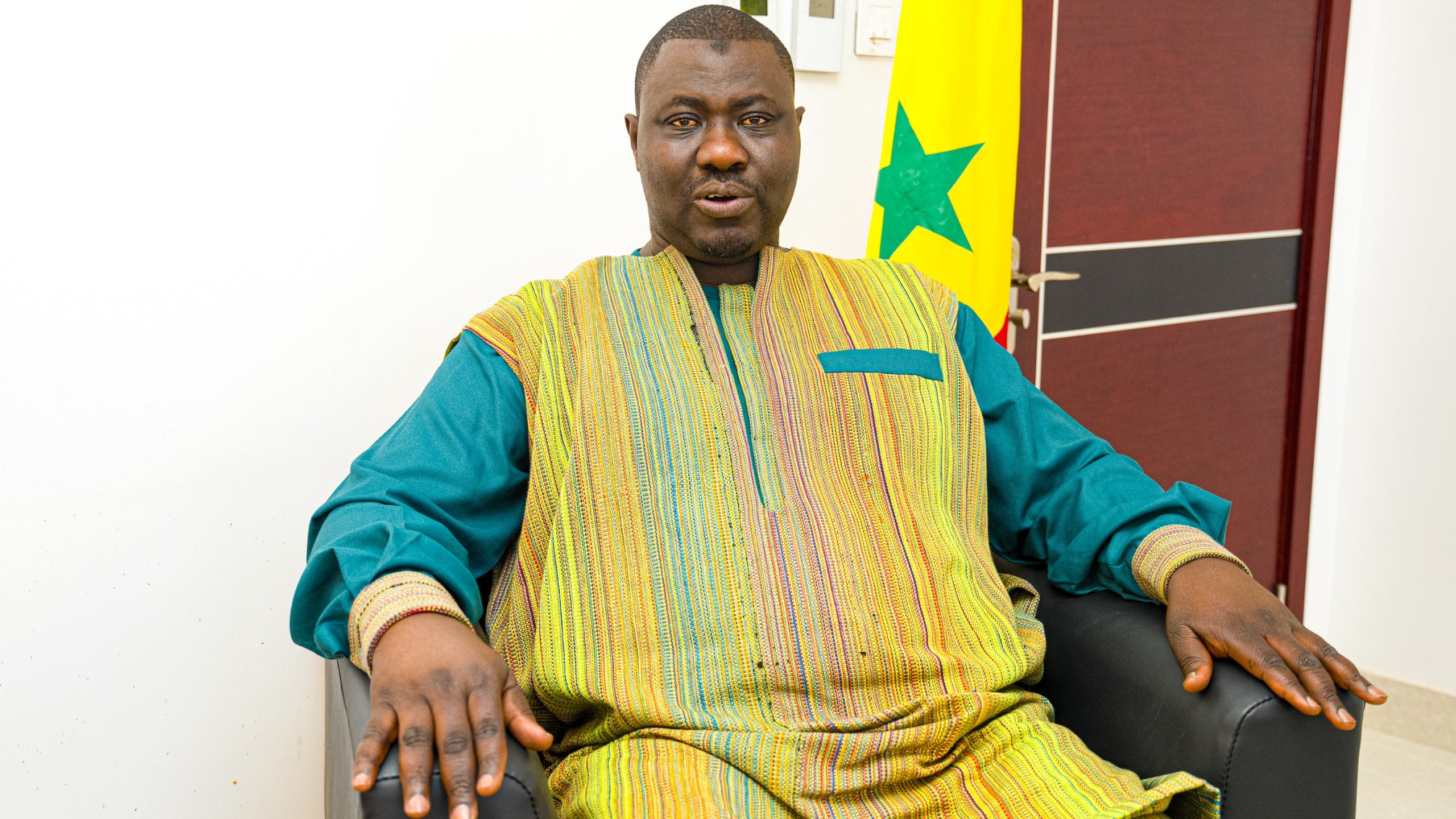
Being a union member is not without risks. Omar Dramé speaks of regular pressure, attempts to co-opt the movement, offers of compromise, and indirect threats. "When you cause trouble, they either try to calm you down or get rid of you," he explains. He also mentions concrete consequences: blocked career advancement, lack of promotion, and even legal action. He cites, in particular, a defamation case in which he was involved for defending laid-off workers.
On a personal level, the sacrifices are just as significant. Married and a father of four, he acknowledges that his commitment encroaches on his family life. “I hardly ever get any rest. Even at night, I get calls for emergencies,” he confides. Despite everything, he accepts it. “It’s a calling. You have to be ready to sacrifice yourself for others.” For Omar Dramé, unionism remains an essential pillar of social democracy. “It’s the union that dares to say what others don’t,” he asserts. But this influence, according to him, depends on the integrity of its leaders. “A corrupt union can’t change anything. It must be dignified, courageous, and independent,” he insists. He identifies with a new generation, while drawing inspiration from the great historical figures of the Senegalese union movement, whom he considers role models. Formerly involved in politics, he states that he suspended his activities to avoid any confusion. “People might interpret our actions as political maneuvers,” he explains. However, he doesn’t rule out a return. “Trade unionism and politics share a common goal: the well-being of the people,” he believes.
A strong message for May 1st
Today, Labor Day is being celebrated, and Omar Dramé is calling for a strengthening of social dialogue. "Without dialogue, there is only confrontation," he warns. He urges the authorities to honor their commitments, particularly to the primary sector, which he describes as "the economic engine of the country." He also advocates for the integration of contract workers into the civil service, the improvement of working conditions, and the effective implementation of signed agreements. To workers, he addresses a message of mobilization and responsibility. "Nothing is achieved without struggle, but an organized and constructive struggle," he says.
A man of conviction, looking towards the future
Beyond titles and positions, Omar Dramé defines himself first and foremost as a man of conviction. "I came into this world to fight injustice," he affirms. A mission he intends to pursue "as long as I have breath in my body." In a social context marked by tensions and high expectations, his profile stands out as that of a key player in social dialogue in Senegal.
On a personal level, Omar Dramé leads a family life that he himself acknowledges is heavily impacted by his union activism. Married since 2017 and father of four children (three boys and a girl), he admits that balancing family responsibilities and activism is a real daily challenge. "It's not easy; I hardly have any family life," he confesses, describing days and nights punctuated by the constant demands of workers, sometimes until late at night. Between urgent calls, meetings, and interventions, family time is often cut short. He does, however, appreciate the crucial support of his wife, whom he describes as "very understanding," aware of the scope of his struggle. Despite the sacrifices and constraints, Omar Dramé says he finds a fragile balance, sustained by the conviction that his commitment helps improve the living conditions of many families, beyond his own.













Commentaires (13)
Participer à la Discussion
Règles de la communauté :
💡 Astuce : Utilisez des emojis depuis votre téléphone ou le module emoji ci-dessous. Cliquez sur GIF pour ajouter un GIF animé. Collez un lien X/Twitter, TikTok ou Instagram pour l'afficher automatiquement.