Ni jeûne, ni prière, mais une foi inébranlable : L'incroyable dévouement des Baye Fall pour le Ramadan
As if their lives depended on it, thousands of followers of a unique Senegalese Muslim community devote themselves with electric fervor to their mission of the day: preparing dishes for the breaking of the fast for the faithful during this month of Ramadan, one of the foundations of their spirituality almost without equal in Islam.
They are called the "Baye Fall". They belong to the influential Mouride brotherhood in Senegal, a predominantly Muslim country. However, their practice of Islam is unlike that of any other Muslim community.
For the most part, the "Baye Fall" do not pray and do not fast, two fundamental precepts among the five pillars of the religion.
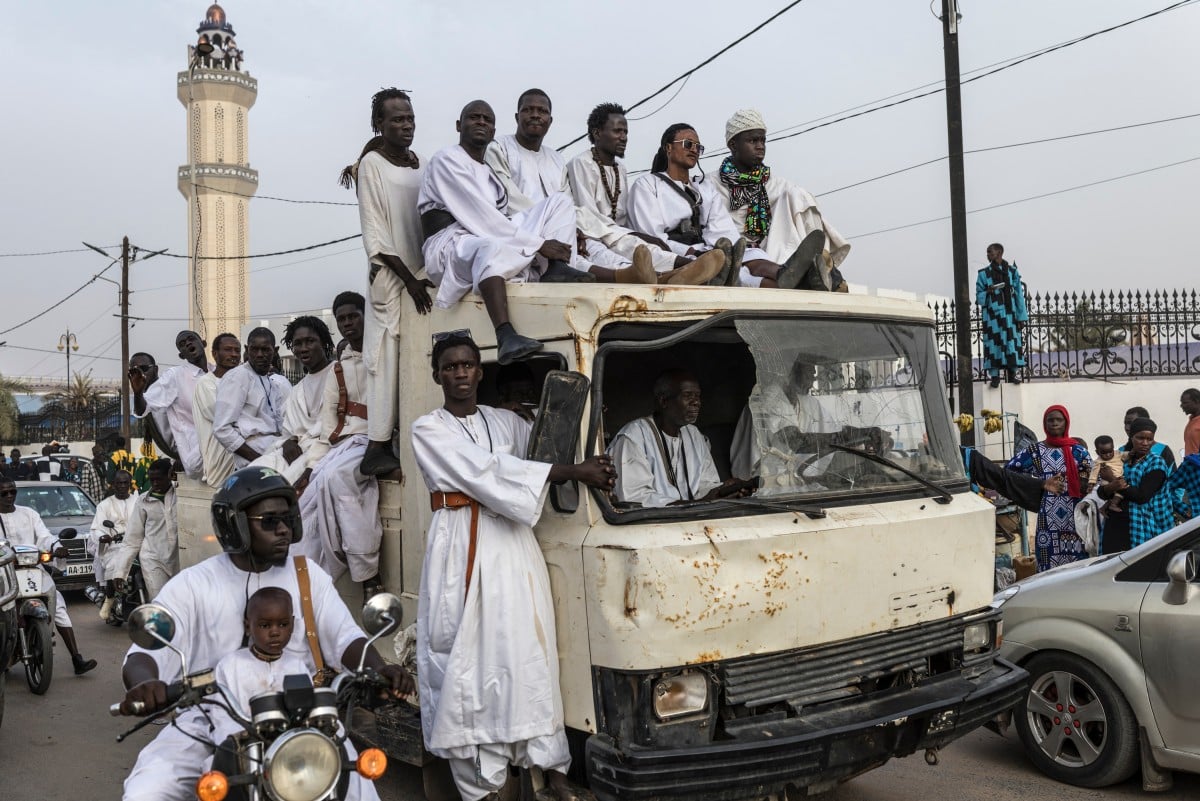
They are also distinguished by their striking appearance, wearing dreadlocks, multicolored patchwork outfits or numerous accessories presumed to be mystical.
As with every month of Ramadan, the Baye Fall organize festive days of preparation and distribution of iftar in Touba (central region) and thousands flock to the capital of Mouridism.
Self-giving
Fervor reigns in the vast courtyard of their caliph's house and in the surrounding area, which is teeming with people on this March morning, despite the stifling dust and heat.
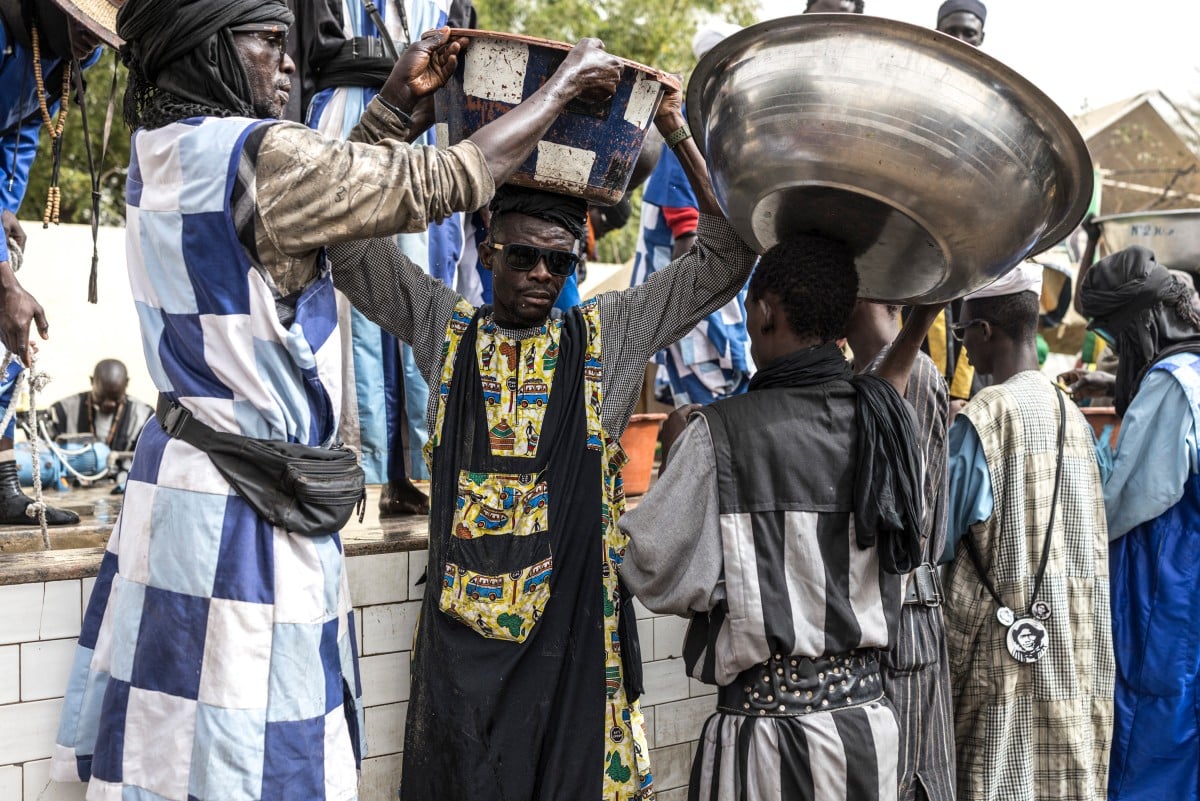
Organized into groups, the "Baye Fall" work with devotion and in great brotherhood, bathed in the smoke of firewood and the aromas of cooked food.
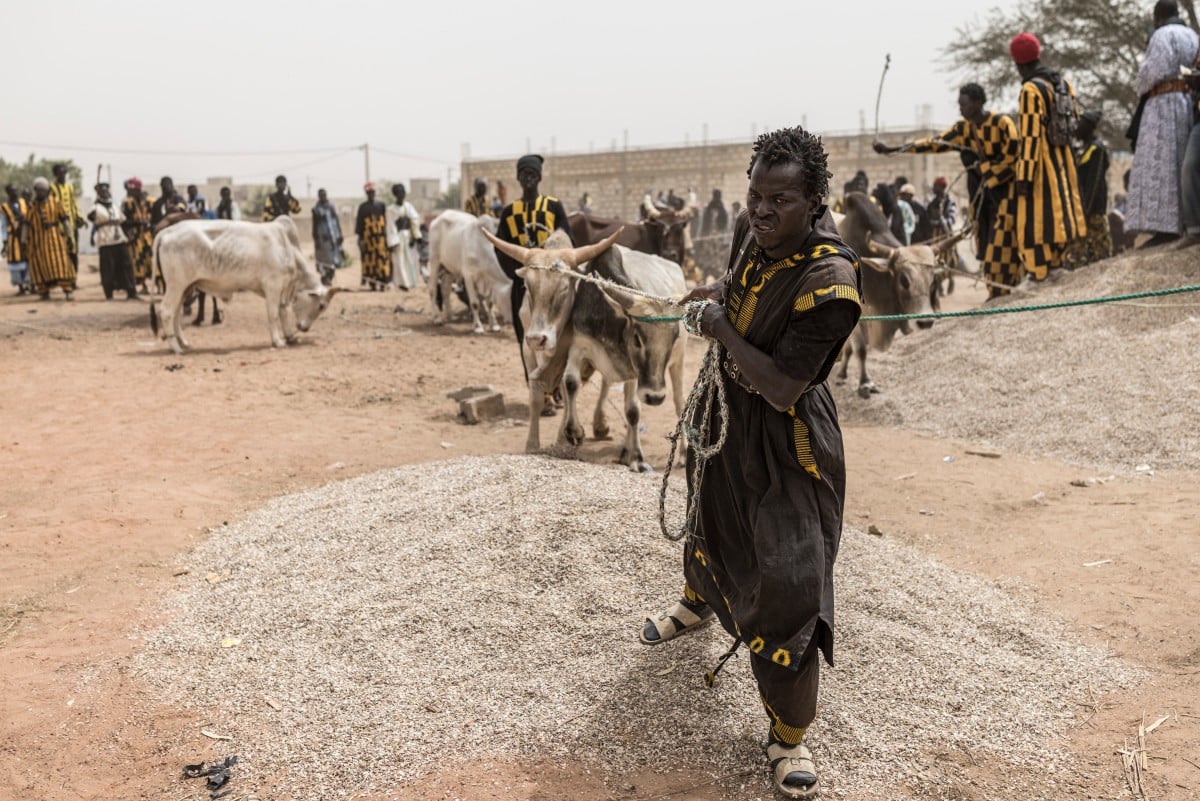
Slaughtering livestock, preparing meals, cutting firewood, collecting garbage, washing dishes... Men and women, young and old, everyone gives their all.
Providing iftars to the faithful counts - just like hard work, self-sacrifice in service to the community, the repeated invocation of God's name - among the foundations of the Baye Fall faith, one of the guide's descendants, Abo Fall, explained to AFP.
This is a "mystical Sufi Islam where every task, every duty accomplished represents a spiritual act", explains Doudou Mané Diouf, author of a book on their guide entitled "Mame Cheikh Ibrahima Fall, itinerary of the man of action of Cheikh Ahmadou Bamba".
This almost unique path in Islam was indeed revealed more than a century ago by Mame Cheikh Ibrahima Fall (1855-1930) known as "Lamp Fall" (light, in French), one of the first disciples of Cheikh Ahmadou Bamba, founder of Mouridism.
Since then, "Bayefallism" has continued to attract many people across the country and even abroad.
According to accounts and testimonies retracing his journey, Lamp Fall had devoted his life to the service of his marabout and neglected himself.
His followers say that he refused all forms of pleasure, never combed his hair, and never changed his clothes, which he regularly mended with scraps of fabric to keep them in good condition. This is how the "Baye Fall" identity was born, with its dreadlocks and colorful outfits.
His appearance was also a way of "asserting his African culture" in a context marked by colonization, explains Mr. Diouf.
Born and raised in France in a Senegalese "Baye Fall" family, Adam Khadim recently returned to his country of origin to pursue his projects and fully live his faith. This gives him a sense of "well-being," even though it is a "rather difficult path because there are many more duties than rights."
Fever
As it is almost time to transport the food contained in large bowls to the house of the General Khalif of the Mourides from where it will then be distributed, the fever rises a notch.
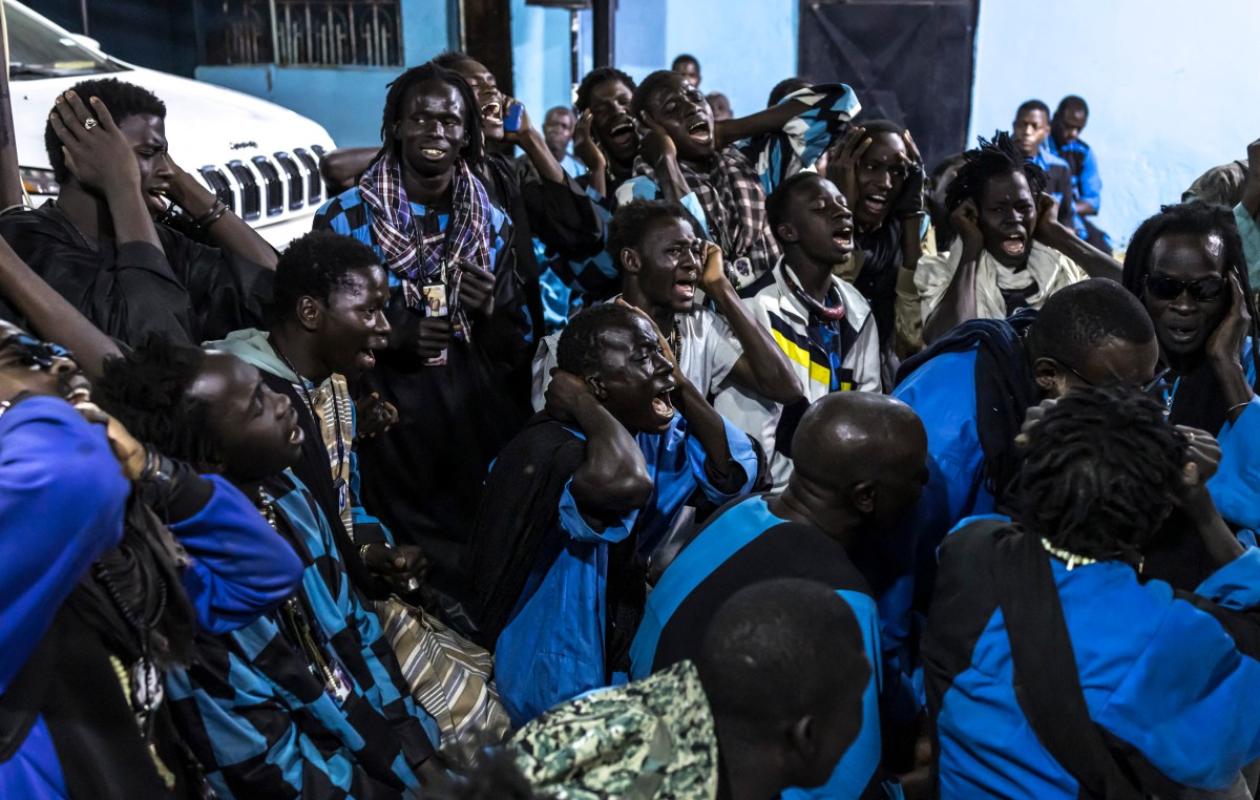
A group of Baye Fall chant religious songs in unison. Huddled together as they advance in a circle, their movement grows larger with each step. The decibels rise even louder, drowning out the surrounding noise. Beads of sweat glisten on their faces. Some of the followers appear to be in a trance.
Hailing from the Saint-Louis region (north), Cheikh Ibra Fall Baye Dieye, who bears the name of his spiritual guide, says he feels "all the happiness in the world" amidst this effervescence. "For us, these moments replace fasting and are therefore very important. We reconnect with ourselves," he confides, dressed in a yellow and black patchwork boubou.
Joining the "Baye Fall" path requires adhering to certain rules, such as pledging allegiance to one's marabout and carrying out all his instructions. Individuals must agree to undergo spiritual training with him to learn a philosophy and a way of life.
In Touba, the "Baye Fall" play a central role during major religious events that often bring together millions of people: they take care of security, the cleanliness of the city, prepare meals and contribute to expenses by organizing money collections from the population.
They are also known to be experienced farmers and promote an environmentally friendly lifestyle.
Despite all this, they are often misunderstood in Senegal and are subject to criticism because of their difference.
"We are quite particular in our practices and this can create a bit of confusion and misunderstanding," acknowledges Adam Khadim, while assuring that this difference is "accepted."























Commentaires (13)
Participer à la Discussion
Règles de la communauté :
💡 Astuce : Utilisez des emojis depuis votre téléphone ou le module emoji ci-dessous. Cliquez sur GIF pour ajouter un GIF animé. Collez un lien X/Twitter, TikTok ou Instagram pour l'afficher automatiquement.