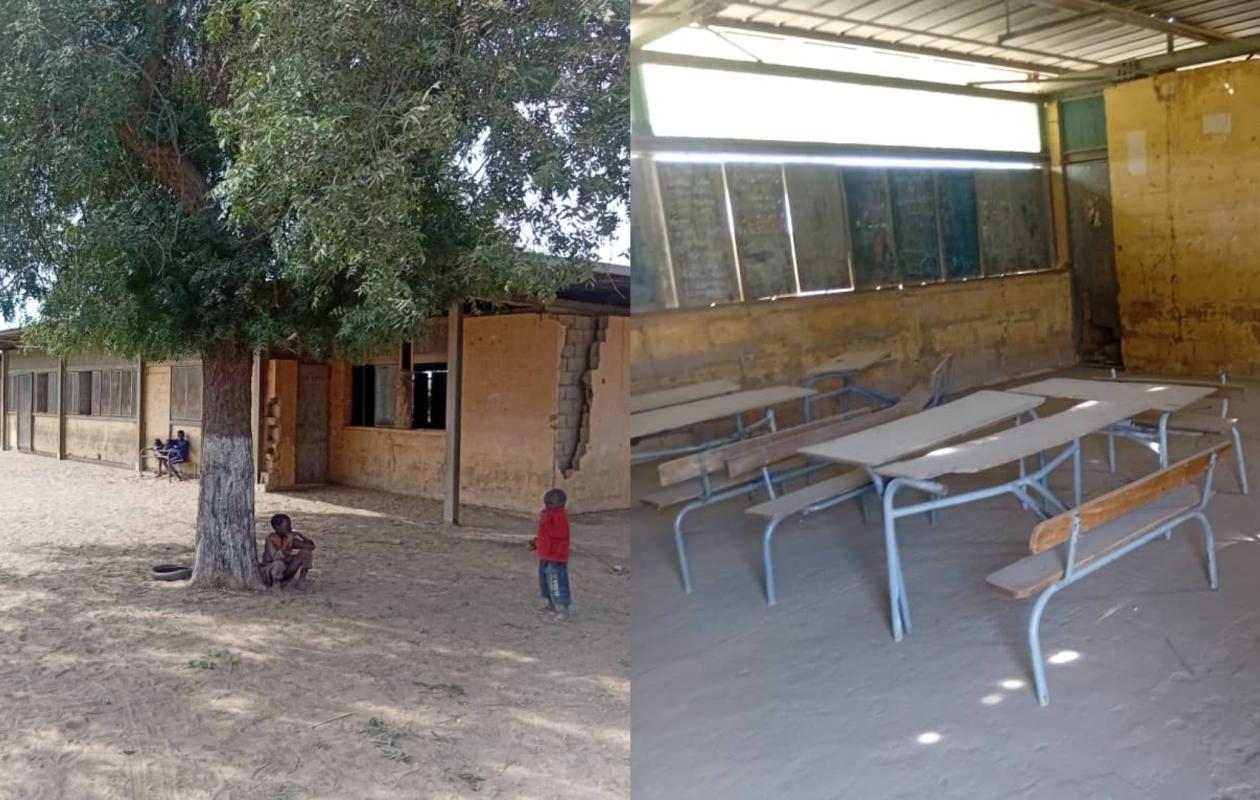
Podor : L’école de la honte et de la faim
"A hungry belly has no ears," goes the saying. Hundreds of kilometers from Dakar, in northern Senegal, specifically in the department of Podor, this maxim takes on a tragically concrete resonance. Here, learning rhymes with hunger, fatigue, and humiliation. In several isolated villages, schoolchildren go to school every day on an empty stomach, after having walked long distances, often without breakfast, sometimes without any hope of lunch.
Adding to this ordeal is another, more silent but equally violent form of suffering: the complete absence of toilets in some schools. This reality undermines human dignity and violates the fundamental right to a decent education.
In rural Senegal, schools sometimes seem to have forgotten their promise of protection and equality. The contrast with urban schools is striking: school canteens, cafeterias, and functioning toilets. Here, on the contrary, school begins with hunger, continues with exhaustion, and too often ends with dropping out. Two villages cruelly illustrate this reality: Ouro Hamady Baga and Danaye Walo. Two different places, but the same ordeal.
Ouro Hamady Baga: learning on an empty stomach, surviving without toilets
In Ouro Hamady Baga, at the crack of dawn, the children set off for school. They walk for a long time. They arrive tired. And above all, hungry. Bocar Aliou Sy, a third-grade student, describes in simple words a reality too difficult for his age: “We walk for miles to get to school without eating. Our parents are farmers: they leave early for the fields and come back late in the day. Often, our mothers serve lunch late, and to avoid being late for school, we are forced to miss meals. As a result, we go to class without eating, without having breakfast or lunch. We are exhausted, we can't concentrate, and many students end up dropping out. We want a school cafeteria so we can stay in school and learn properly,” he says.
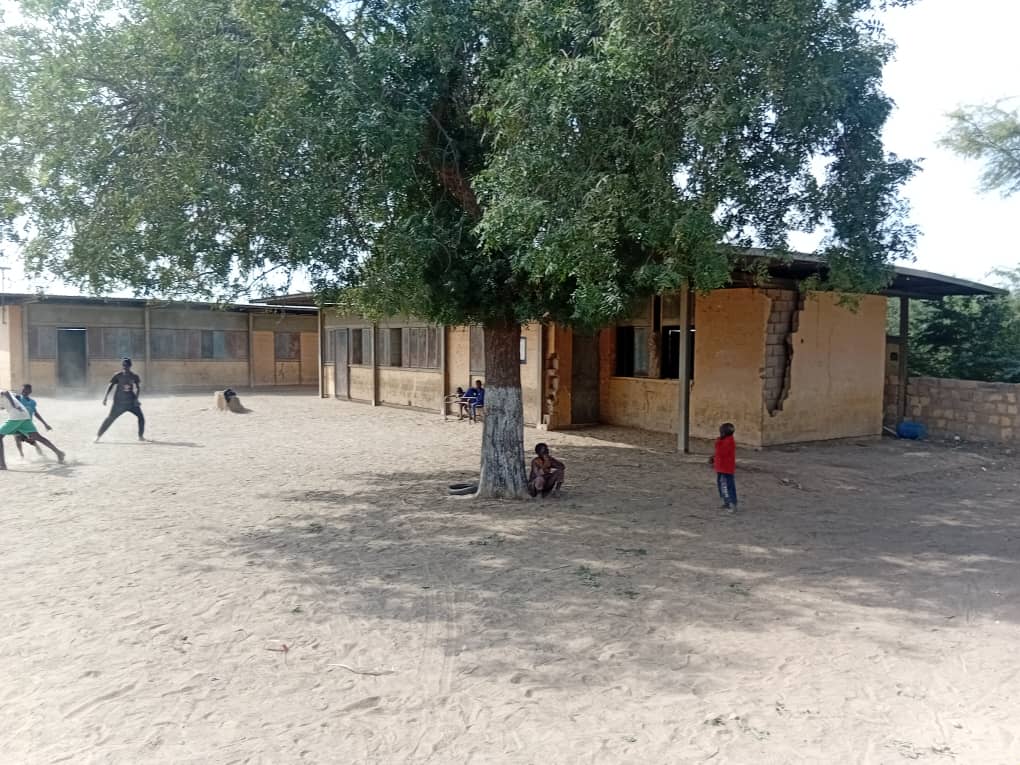
Beside him, Racky Diallo, a fourth-grade student, lowers her voice before confiding: “Sometimes we go back and forth to eat, but we still miss our meals. We come in the morning on an empty stomach and leave in the evening the same way. We sleep in class; we can’t keep up. A cafeteria would help our poorer parents.” Here, falling asleep in class isn’t a lack of discipline. It’s a symptom: hunger.
The other ordeal: the total absence of toilets
But hunger isn't the only daily struggle these children face. At the Ouro Hamady Baga school, there are no toilets. To relieve themselves, the students hide behind the classrooms or venture into the bush. The teachers, meanwhile, go to neighboring compounds. Racky Diallo continues, her voice trembling:
“We don’t have toilets. To relieve ourselves, we go behind the classrooms or into the bush. Sometimes we encounter animals. It’s not safe, but we have no choice. We are part of Senegal. We are children and we have the right to decent conditions.”
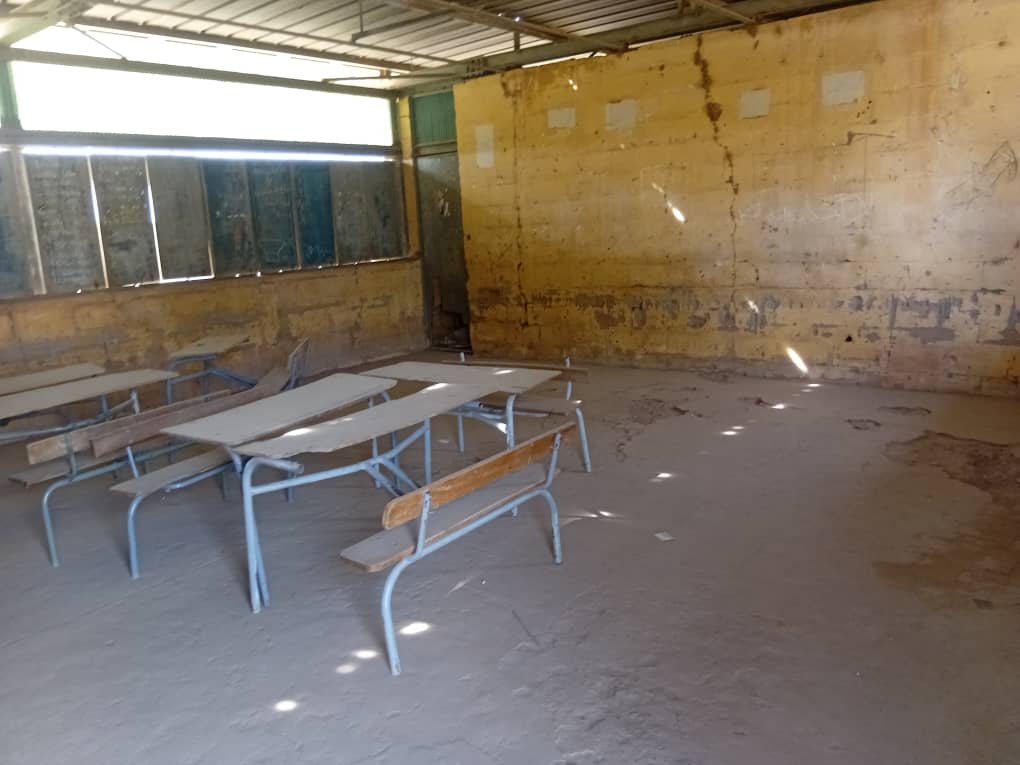
Relieving themselves has become a danger: at the mercy of snakes and monkeys, bushes and walls have become makeshift toilets. This situation threatens health, safety, and human dignity, reports a teacher visibly disgusted by the situation.
A powerless, but outraged director
Abdourahmane Diop, the school's director, is powerless in the face of the situation. However, he stands as a father figure, fighting for the well-being of the students under his care. He is sounding the alarm: "The students come from very distant villages. Some leave without having eaten. Hunger affects their concentration and their grades. But what affects their daily lives most is the lack of toilets. The teachers go to their neighbors' houses, the students behind the school. It's risky and shameful. If we could have toilets, that would be a first priority."
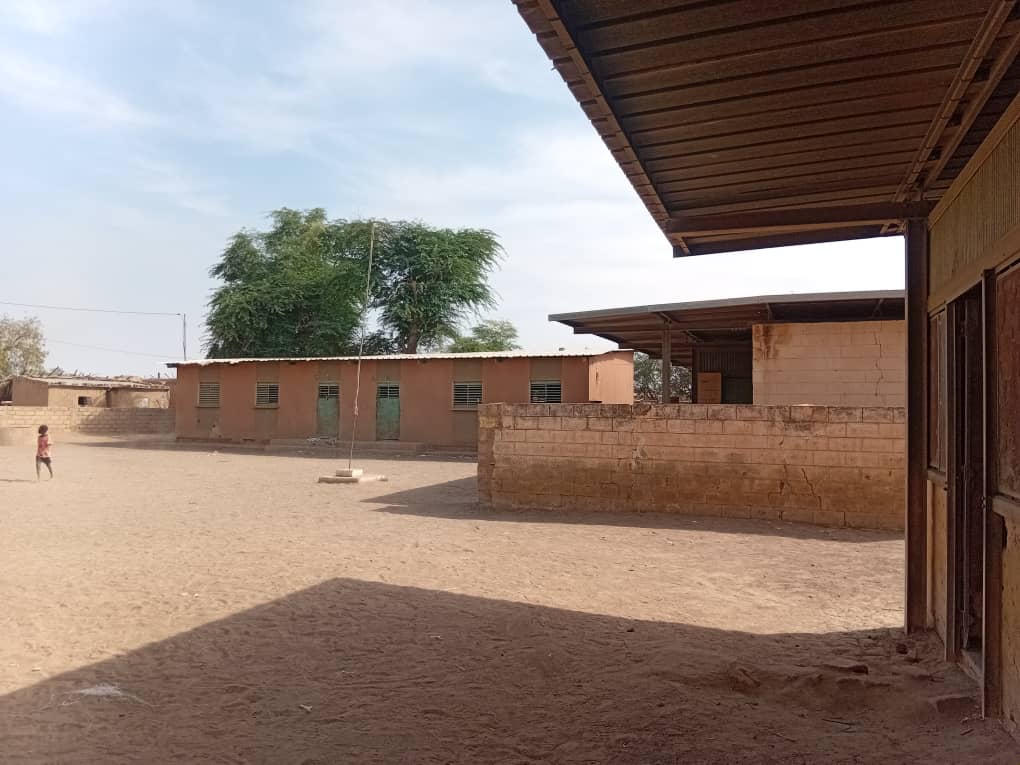
A few kilometers away lies Danaye Walo. The same scenery. The same hardship. This elementary school, established in 1962, currently has 125 students but struggles to provide even the most basic learning conditions. Its headmaster, Thierno Birahim Diop, explains gravely, his voice thick with emotion: “I am the headmaster of the Danaye Walo elementary school. Our school has a total enrollment of 125 students. It serves several surrounding hamlets and villages. The students come from Macina, two kilometers away, from Gourel Hady, also two kilometers away, from the village of Gao, one kilometer away, from Falao, one kilometer away, and also from villages on the Mauritanian side of the river. These children walk for kilometers, morning and evening, under the sun, sometimes hungry, often exhausted, simply to come and learn.”
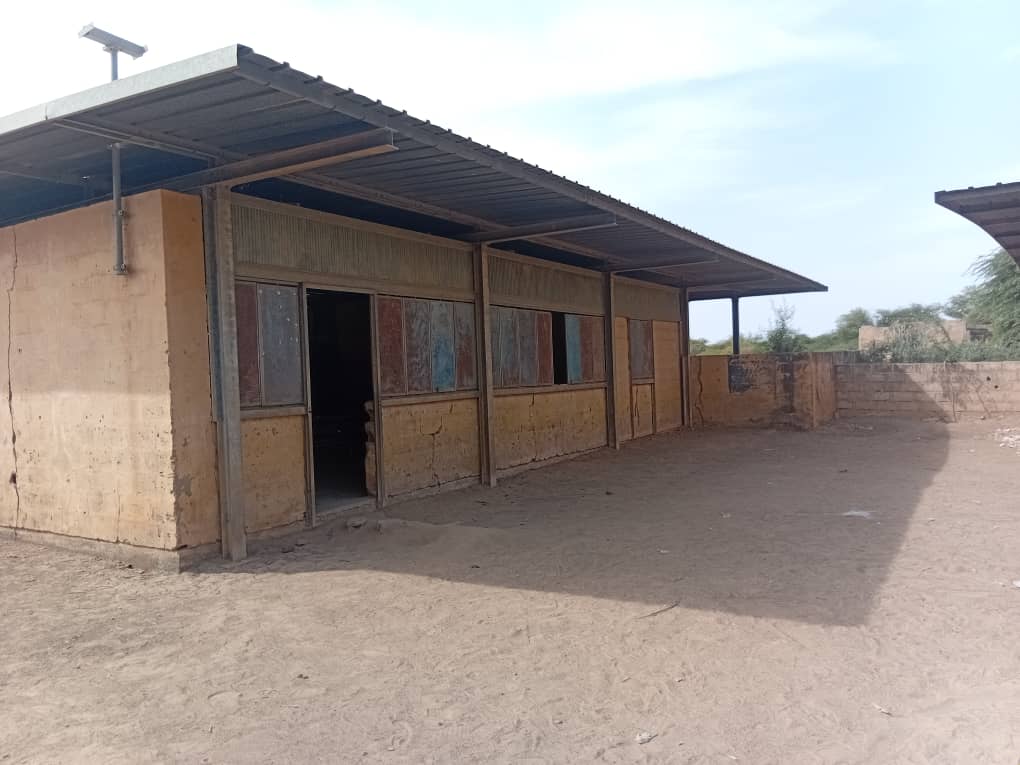
Every morning, these students leave their homes at dawn. They walk in silence, crossing fields, dusty tracks, and scrubland. In the evening, they take the same path again, their legs heavy, their stomachs still empty. For some, the journey is longer than the hours spent in the classroom.
When being a girl becomes an obstacle at school
In this school without toilets, the girls pay an even heavier price. Aïssata Bocar Sall, a fifth-grade student, lowers her eyes before giving a heartbreaking testimony, filled with modesty and pain: “When we have our periods, it’s very difficult to come to school. There are no toilets, no place to wash or change. Sometimes, we’re afraid of soiling our clothes in front of others. I myself have had to stay home for several days. I missed a lot of classes. We don’t want to, but we have no choice.”
Her story is shocking because here, having your period often means missing school, falling behind, and losing confidence. Some girls prefer to stay home out of shame, fear of ridicule, or lack of other options. School, meant to be a place of liberation, becomes a source of anxiety.
Boys are not spared either. Mamoudou Ibrahima Ly, a fourth-grade student at the Danaye Walo elementary school, recounts another, equally alarming reality: “When you have diarrhea, you can’t come to school. There are no toilets. I’ve stayed home before because I was afraid I wouldn’t be able to hold it. Here, if you’re sick, you miss school.”
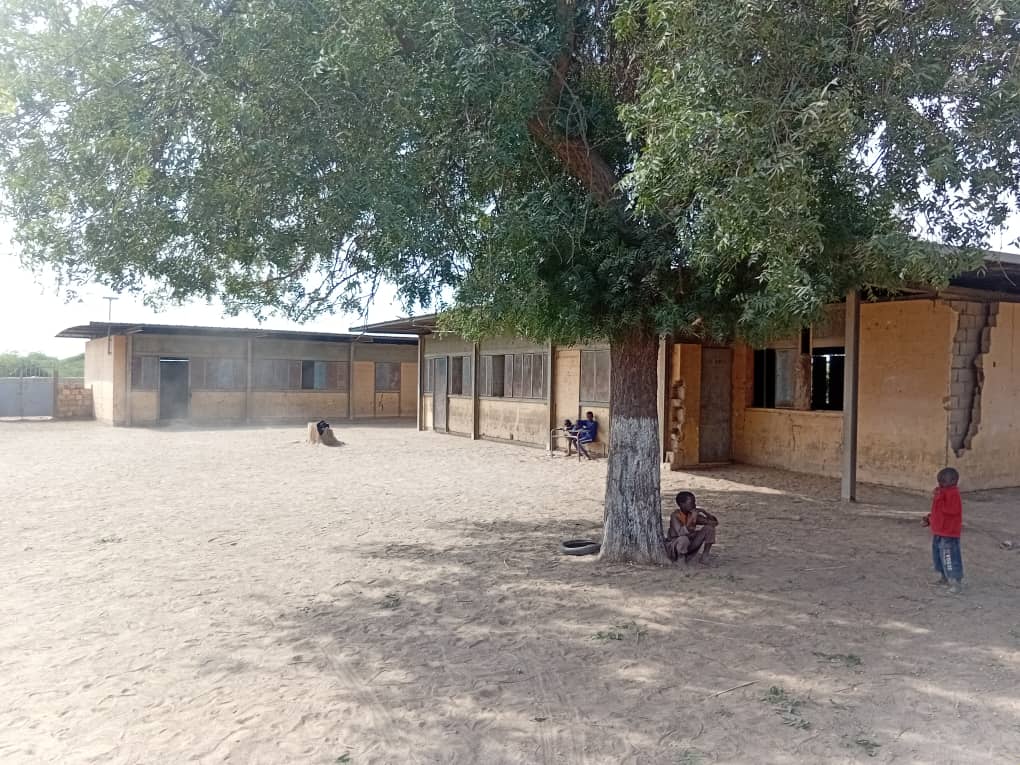
A simple yet chilling account. In this school, falling ill often means disappearing from class, sometimes for several days. Without toilets, without water, without privacy, the body becomes an obstacle to education.
Reflecting on these situations, Thierno Birahim Diop confides, his voice breaking: “The lack of a canteen, the long distances, and the lack of toilets force some students to drop out. When I compare these children to my own, who attend schools with proper facilities, I have tears in my eyes. The difference is enormous. These children are part of Senegal. They have the right to equal opportunities. We are asking for at least toilets to restore the children's human dignity. It's the bare minimum.”
The parents' pain
Yayo Sall, the parents' representative at Danaye Walo, spoke with a heavy heart: "Our children are exhausted. They come to school without food and don't even have toilets. Going to the bathroom is a real struggle, especially for the youngest ones. You can't build a house without toilets. It's not dignified." Then, turning her sorrow into a plea, she added: "Toilets and a school cafeteria aren't luxuries. They're rights. The children have been enduring this suffering for years, in silence. We're simply asking for toilets to protect their dignity, and if possible, a school cafeteria to bring a smile back to their faces."
These accounts expose a disturbing reality: without a canteen, without toilets, without basic infrastructure, learning becomes a daily struggle. In the villages of Ouro Hamady Baga and Danaye Walo, the school no longer provides shelter. It exposes.
School canteens: a national emergency
The issue of school canteens goes beyond food. It touches on social equity, educational justice, and respect for human dignity. In Dakar, at a meeting on school feeding, Amadou Kanouté, Executive Director of Cicodev Africa, emphasized: “School feeding is a crucial input. A hungry child cannot properly follow lessons.” He also highlighted the recent 13% increase in the budget allocated to school feeding within the framework of the GMSANE (National School Feeding Program), included in the 2025 budget. This progress was welcomed, but it is still far from meeting the pressing needs on the ground.
A school cafeteria, functioning toilets. These are neither privileges nor favors. They are fundamental rights. In Podor, children continue to walk long distances to learn on an empty stomach, to hide to relieve themselves, to struggle to stay awake in class. They are not asking for charity. They are demanding dignity. In other words: a plate of food to learn on, a toilet to live with dignity. As long as these rights remain a privilege, the school will continue to betray its promise of equality. And silence in the face of this injustice will remain a form of complicity.
















Commentaires (20)
Pendant ce temps, les guinéens qui ont envahis DAKAR et sa banlieue profitent des meilleurs établissements et ont même le lait à l'Ecole.
Quelle Déception !
Qui a construit des écoles sans toilettes
Avec tout ce que le Fouta a fait pour l’APR c’est honteux de constater que rien n’a été fait au Fouta et sur tous les plans
Pays émergent hohohi. Jub jub jub
Ces gens font jaillir leurs idées et arguments sur la base de la loyauté ethniciste. Je suis dégouté. Pourquoi vous sortiez pas de vos géole du temps du régime corrompu de Macky? M. S'y tu ne mérite aucun respect.
condamné par de la prison ferme la corruption qui gangrène ce pays.
ce sont les impôts des riches qui peuvent financer la forte demande sociale . La place d'un enfant sénégalais ou étranger est à l'école et non dans la rue. C'est triste et honteux vraiment.
Une seule personne ou un groupe de ressortissants de ces localités peut financer la construction de toilettes et recruter une restauratrice qui préparera des sandwichs ou des repas.
Let's go !
a quelques centaines de km de là, des gosses (censé être notre avenir)qui crèvent la dalle mais vont quand même à l'école même si elle est pourrie, tout le monde s'en tape... tout va bien..
d'ailleurs dans ce pays, seule l'apparence compte..
tout va bien
ndeyssane. quel pays où chacun attend l'état...
Je suis le Directeur de l’école de Wouro Hamady Baga et je tiens à apporter un démenti formel à la publication intitulée « Podor : l’école de la honte et de la faim », actuellement diffusée sur les réseaux sociaux.
Les informations contenues dans ce texte sont fausses, exagérées et ne reflètent nullement la réalité de notre établissement scolaire.
Elles décrivent des situations manifestement destinées à émouvoir l’opinion publique dans le seul but de soutirer de l’argent à des personnes de bonne foi. Certainement c'est l'œuvre de gens malintentionnés, j'allais dire des arnaqueurs tapis quelques parts
J’invite les populations, les partenaires et l’opinion publique à faire preuve de vigilance et à ne faire aucune contribution ou réaction.
Participer à la Discussion
Règles de la communauté :
💡 Astuce : Utilisez des emojis depuis votre téléphone ou le module emoji ci-dessous. Cliquez sur GIF pour ajouter un GIF animé. Collez un lien X/Twitter, TikTok ou Instagram pour l'afficher automatiquement.