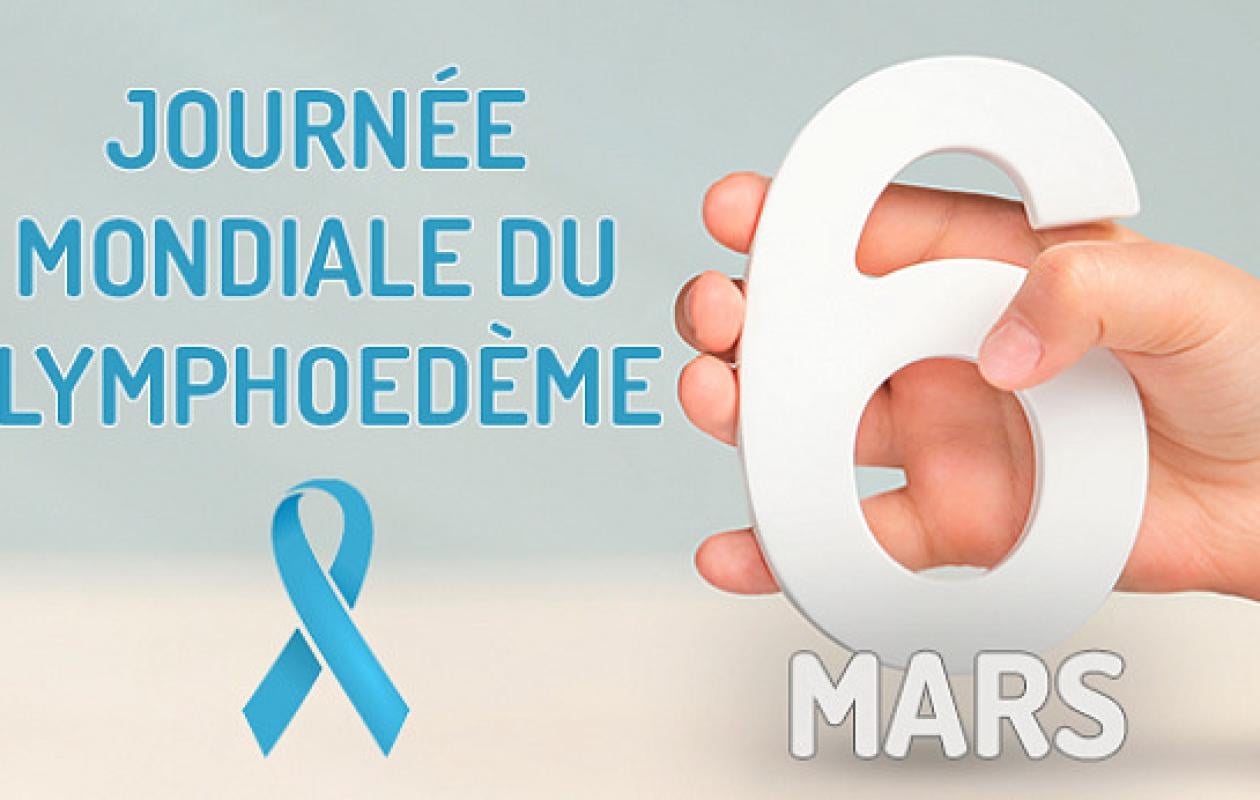
Journée mondiale du lymphœdème : Plaidoyer pour une meilleure prise en charge au Sénégal
The first edition of World Lymphedema Day was celebrated this Friday, March 6, 2026, at the Idrissa Pouye General Hospital in Grand-Yoff, around the theme "The past, present and future of lymphedema care".
Organised as part of the National Programme for Neglected Tropical Diseases of the Ministry of Health and Public Hygiene, this day aims to raise public awareness about this still little-known disease and its health and social consequences.
Lymphedema is a chronic condition characterized by an abnormal accumulation of lymphatic fluid, causing progressive swelling of the limbs. It can be congenital or secondary to infections, cancers, or lymphatic filariasis, classified as a neglected tropical disease. Worldwide, more than 250 million people are affected.
In Senegal, despite progress made in the fight against lymphatic filariasis, the management of lymphedema remains difficult due to a lack of specialized equipment, limited access to care and still insufficient awareness among the population.
An association to support patients
Created in 2025, the Association of People with Lymphedema in Senegal aims to support patients and advocate for better care.
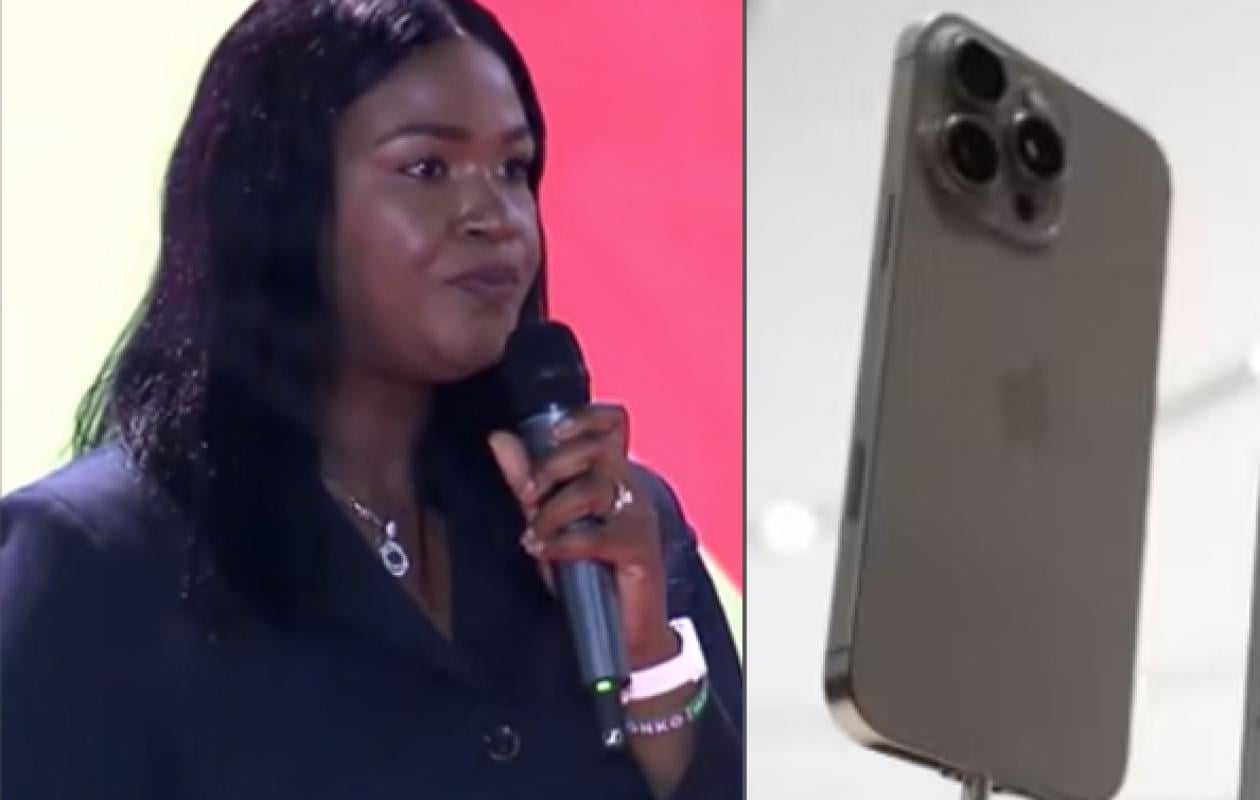
Its president, Aïssatou Mbodj, who has lived with the disease for 17 years, explains the origin of her commitment. "Lymphedema is a very little-known disease. At first, some people told me it was a supernatural disease. It was this experience that pushed me to create this association to support patients."
She also highlights the financial difficulties faced by those affected. "The cost of treatment is burdensome for many patients. We advocate for better support and the availability of compression stockings."
A chronic, but controllable disease
According to Dr. Maodo Diop, an angiologist and cardiologist at Idrissa Pouye General Hospital, lymphedema is linked to a dysfunction of the lymphatic system. "When the lymphatic system is not functioning properly, it leads to lymphedema. It can be of genetic origin or secondary to infections or cancers."
He explains that the disease is not yet curable, but can be controlled. "Treatment relies on lymphatic drainage and compression bandages, but the equipment remains scarce and expensive."
In Senegal, more than 2,500 cases of lymphedema of filarial origin were recorded and treated between 2021 and 2025, while cases linked to cancer remain poorly documented.
The commitment of the health authorities
Representing the Minister of Health, Dr. Ndèye Mbacké Kane reaffirmed the State's commitment to the fight against this disease. "The priority is prevention, through communication and drug distribution campaigns to combat lymphatic filariasis."
She also announced ongoing discussions to improve access to healthcare.
"Discussions are underway with ANACMU to study the integration of lymphedema care into the mechanisms for free healthcare."
Through this first celebration, health actors hope to strengthen awareness and improve the management of this chronic disease which is still too little known in Senegal.














Commentaires (1)
Participer à la Discussion
Règles de la communauté :
💡 Astuce : Utilisez des emojis depuis votre téléphone ou le module emoji ci-dessous. Cliquez sur GIF pour ajouter un GIF animé. Collez un lien X/Twitter, TikTok ou Instagram pour l'afficher automatiquement.