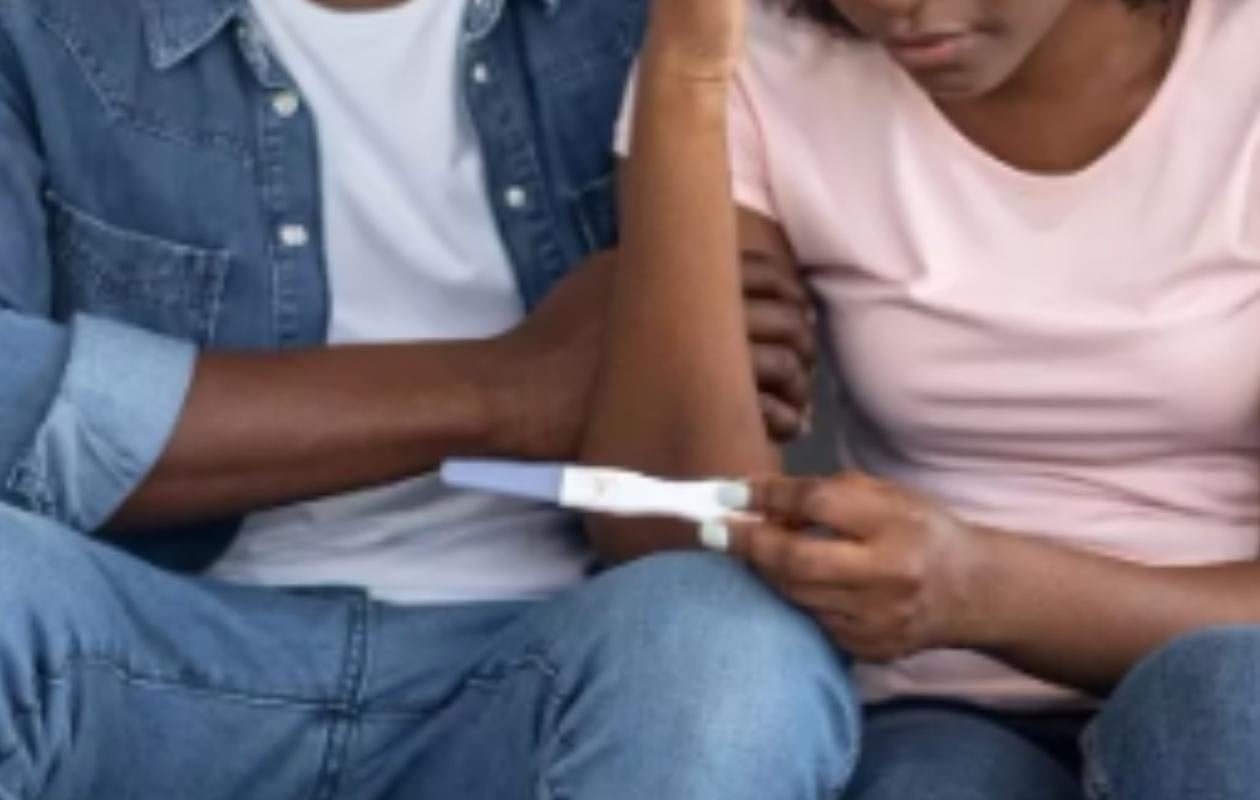
Prise en charge holistique du couple Infertilité: « Monsieur et madame doivent venir ensemble en consultation »
Infertility in Africa is not simply a matter of temperature charting or biological testing; it is a multifaceted problem that shakes the very foundations of the family unit.
In a Merck Foundation webinar, three experts deconstructed the myths surrounding this topic, proposing a comprehensive approach combining medical prevention, couple support, and social justice.
Prevention: The first line of defense against the "tragedy" of infertility
For Dr. Justin Mboloco Simo, head of the Department of Gynecology-Obstetrics at the clinics in Kinshasa, infertility in Africa is often an avoidable tragedy.
According to his analysis, 85% of infertility cases in sub-Saharan Africa are caused by infections. He points to poorly treated sexually transmitted infections (STIs), such as chlamydia or gonorrhea, which silently block a woman's fallopian tubes for years.
Dr. Simo also emphasizes male responsibility, which is too often overlooked: "Men are responsible for infertility in 50% of cases." He warns against modern environmental factors.
Obesity: in men, excess fat transforms testosterone into female hormones.
Heat: Wearing tight clothing or prolonged motorcycle use heats the testicles, impairing sperm production.
Lifestyle: Tobacco, alcohol and exposure to pesticides are major "endocrine disruptors".
Towards a holistic approach to couples
Dr. Sobig Richikesch, an obstetrician, advocates for a radical change in approach: destigmatization starting in the doctor's office. "The man and woman must come to the consultation together," he asserts, because at the beginning, the source of the problem is never known.
Her intervention emphasizes "subfertility" rather than definitive infertility. Many couples simply suffer from a lack of education about the menstrual cycle and the timing of ovulation.
By reducing anxiety and improving the frequency and timing of sexual intercourse, Dr. Richikesch assures that many couples can conceive without resorting to heavy technologies.
The social impact: breaking the chains of stigmatization
The most emotional aspect was addressed by Dr. Golamoli Sumayai, who described the "vicious cycle" of infertility. Social pressure pushes women toward isolation, depression, and, tragically, gender-based violence. He noted that in some communities, a childless woman is perceived as "incomplete" or "cursed."
For Dr. Sumayai, the role of the media is crucial: it's necessary to tell stories of "rebirth" where a woman's worth is no longer tied to motherhood. "Infertility is not a stigma, it's a treatable medical condition," he concludes, calling for increased community solidarity.







![[Exclusif] Le 38ᵉ suspect de l’affaire Pape Cheikh Diallo tombe à Thiès](https://image.seneweb.com/content/news/2026-10-05//thumb_1260x800_69a9fb13e309a_HGTdzIjzDN.jpg)









Commentaires (1)
Participer à la Discussion
Règles de la communauté :
💡 Astuce : Utilisez des emojis depuis votre téléphone ou le module emoji ci-dessous. Cliquez sur GIF pour ajouter un GIF animé. Collez un lien X/Twitter, TikTok ou Instagram pour l'afficher automatiquement.