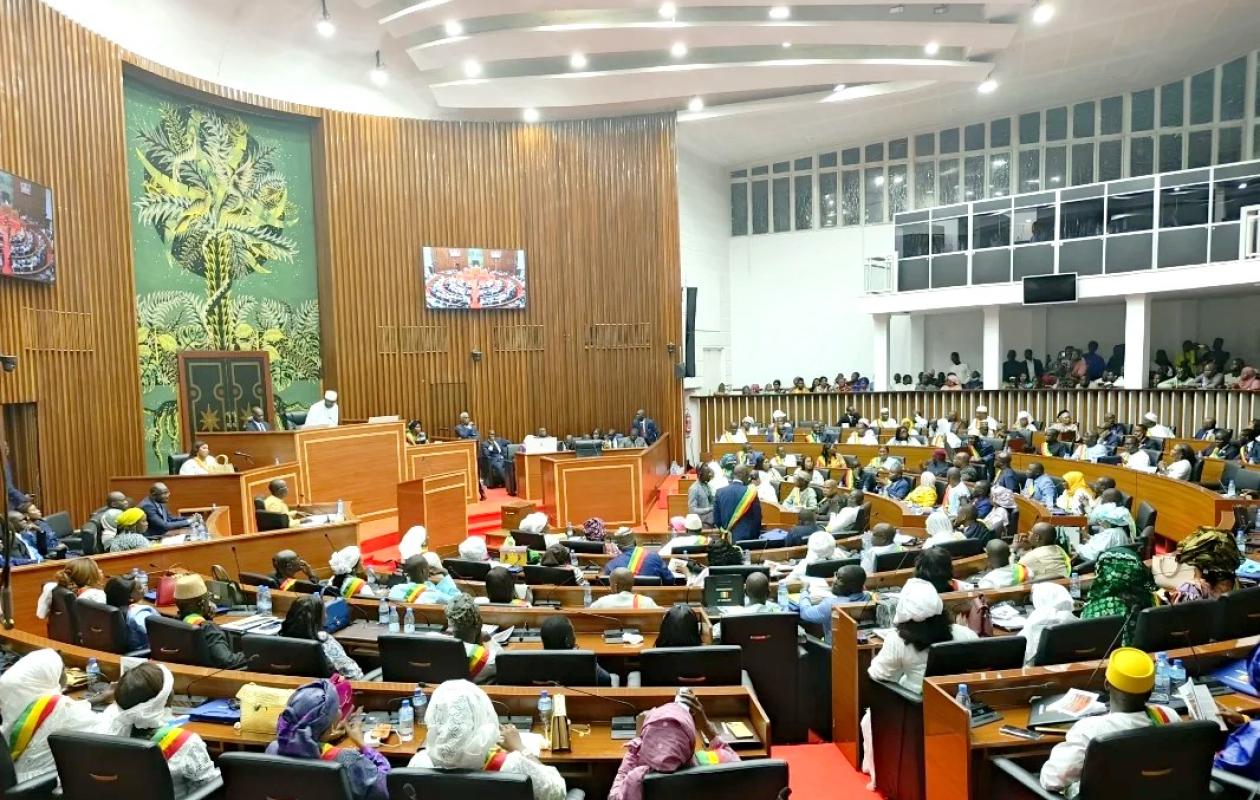
Système de santé sénégalais : Le diagnostic alarmant des parlementaires
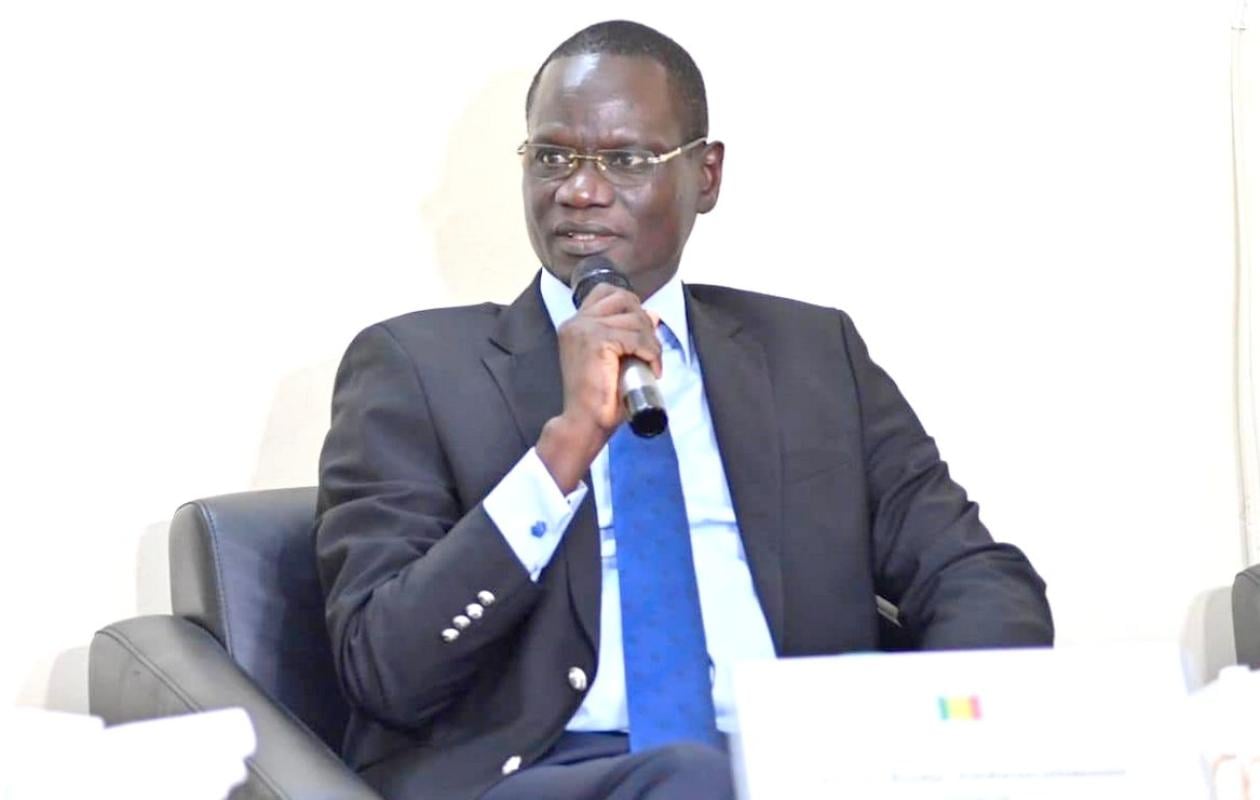
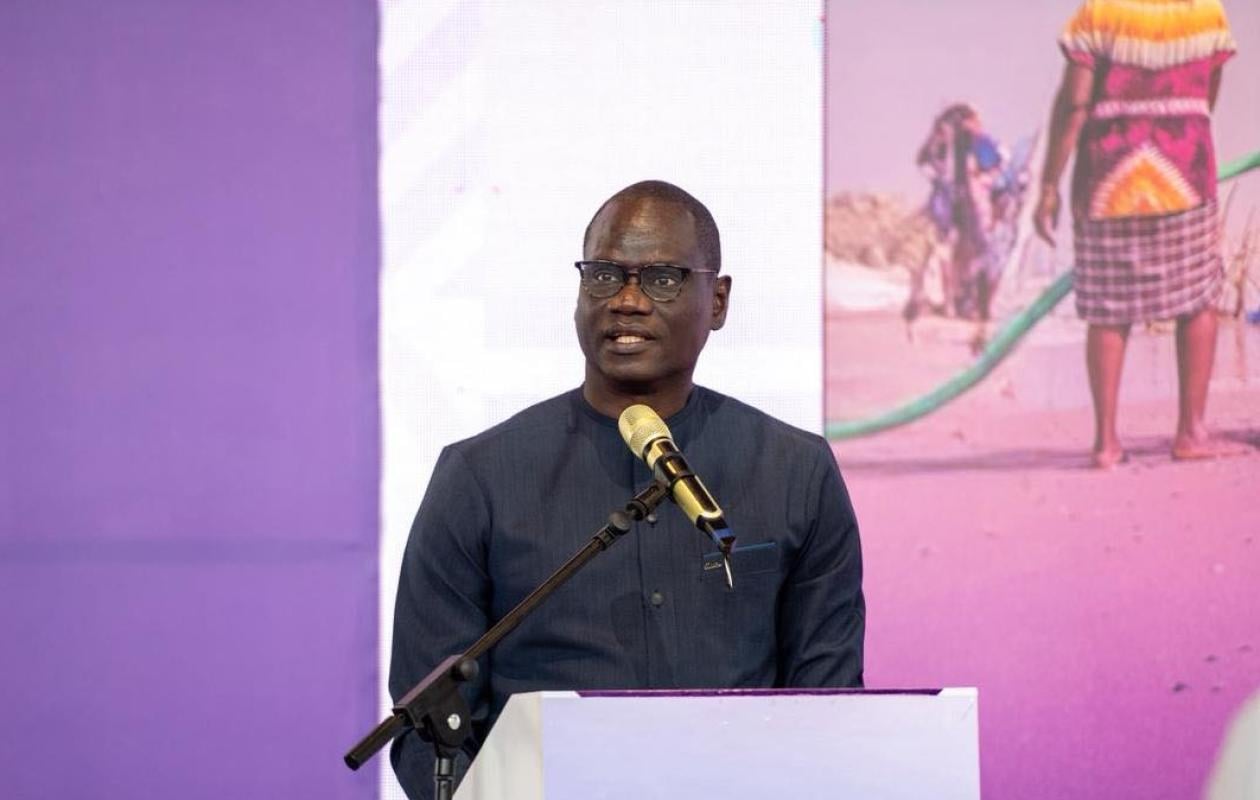
Parliamentarians have delivered a stark assessment of the state of Senegal's healthcare system during the committee review of the Ministry of Health and Public Hygiene's 2026 draft budget. Under consideration this Thursday, the budget is set at 274.2 billion CFA francs in commitment authorizations (AE) and 217.2 billion CFA francs in payment appropriations (CP). While parliamentarians commended the efforts undertaken by the department headed by Dr. Ibrahima Sy, they painted a worrying picture, marked by the high cost of care, a critical shortage of qualified personnel, dysfunctions in patient reception, and a lack of modern medical equipment.
Healthcare that has become inaccessible for many Senegalese
One of the most frequently criticized issues concerns the cost of healthcare in public facilities, which members of parliament deemed excessive. Some cited cases where "the simple hospital admission fee can reach 10,000 FCFA, an unbearable amount for many families living in poverty." They believe this situation "undermines the principle of equitable access to healthcare and alienates a large portion of the population from the formal healthcare system, in favor of traditional practices or self-medication." The parliamentarians therefore called for stricter regulation of fees charged in public facilities and a significant strengthening of social support mechanisms.
Criticized reception conditions
Beyond the cost, the members of parliament strongly criticized the quality of care in some hospitals and health centers. They repeatedly cited the case of a newborn who died outside the Diourbel hospital due to a lack of prompt treatment, illustrating the shortcomings in emergency care management. They also drew the minister's attention to a previous written question concerning the conditions in maternity wards, often deemed undignified and disrespectful of patients, particularly pregnant women. In response to these criticisms, a clear demand was made: "to humanize care, improve staff training in patient reception, and establish better quality control of the public health service."
A critical shortage of specialist staff
The shortage of specialist doctors, nurses, midwives, and other qualified personnel remains a major problem, especially in rural and isolated areas. Members of Parliament specifically requested more specialists for localities such as Bakel, Bettenty, Foundiougne, Goudomp, Kédougou, Tambacounda, Malem Hodar, Nioro, Boundou, and the Fouta region. They also advocated for improved support for medical interns and residents, with fairer compensation and decent working conditions, as well as for the faster integration of contract workers into the civil service, some of whom are owed several months' salary. Community health workers, the true backbone of primary healthcare, also received special attention, with MPs calling for an improvement in their status.
A healthcare network deemed insufficient
In terms of infrastructure, the country's healthcare system has been significantly reassessed. Parliamentarians have called for the construction or establishment of new hospitals and health centers throughout the country. Specifically, they recommend "level 3 hospitals in Tambacounda, Bignona, and Ziguinchor; level 1 hospitals in Bakel, Mbacké, Darou Mouhty, Médina Sabakh, and Saint-Louis (Alioune Badara Cissé Hospital); health centers in Bounkiling, Nguekhokh, Popenguine, Kayar, Koutal, Gandiaye, and Médina Baye; the upgrading of certain facilities, such as Malicounda, to full-fledged hospitals; and the provision of fully equipped ambulances for remote areas, particularly the islands (Bettenty), as well as several health posts in the interior of the country."
Insufficient and outdated technical facilities
The lack or obsolescence of medical equipment was also highlighted. Members of Parliament called for an upgrade of the technical facilities in numerous hospitals, particularly in Tivaouane, Touba, Linguère, Richard Toll, Kaolack, Podor, Guédiawaye, and Diourbel. Among the urgent needs mentioned were: "scanners for certain hospitals, incinerators and generators, morgues in the island communities, and adapted equipment for people with disabilities, especially women."
According to parliamentarians, these logistical failures seriously compromise the quality of care and frequently force patients to travel to Dakar, contributing to the saturation of the capital's hospitals.











Commentaires (0)
Participer à la Discussion
Règles de la communauté :
💡 Astuce : Utilisez des emojis depuis votre téléphone ou le module emoji ci-dessous. Cliquez sur GIF pour ajouter un GIF animé. Collez un lien X/Twitter, TikTok ou Instagram pour l'afficher automatiquement.