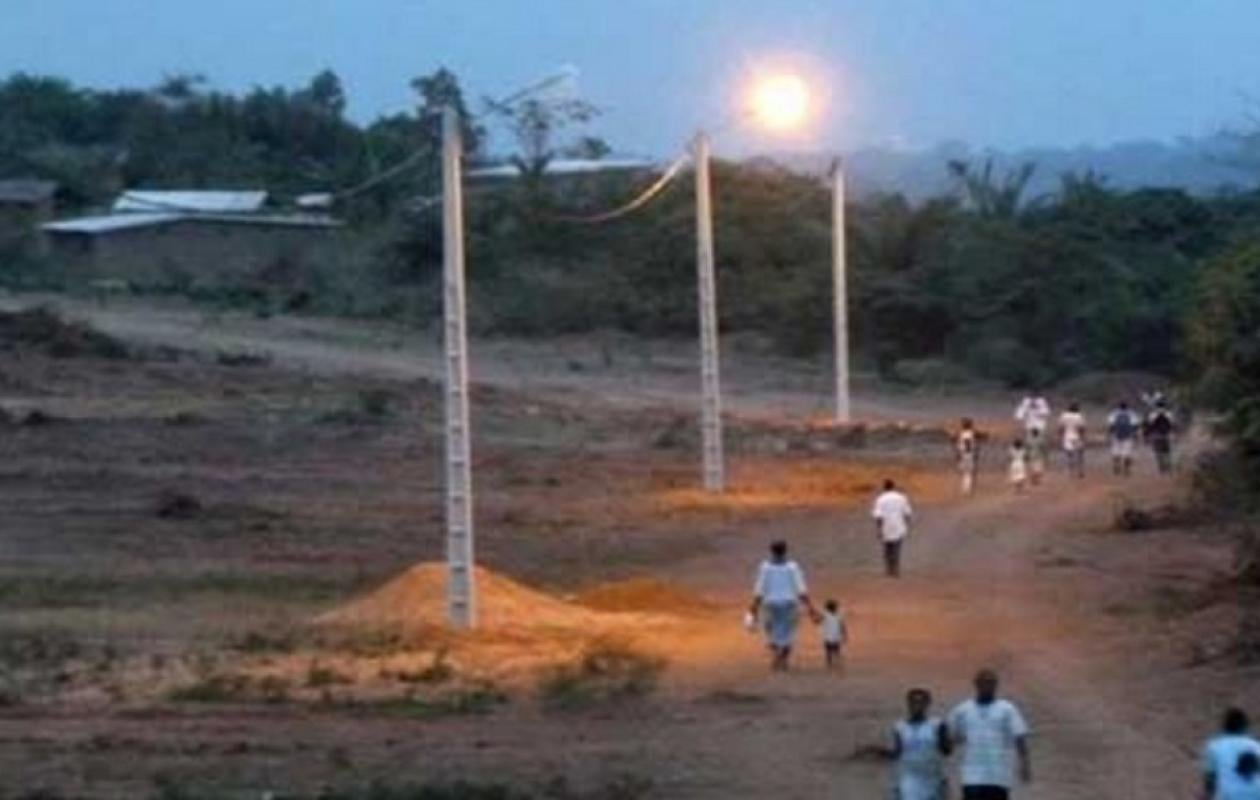
91 milliards en jeu : Comment des documents "non authentiques" ont fait dérailler l'électrification rurale
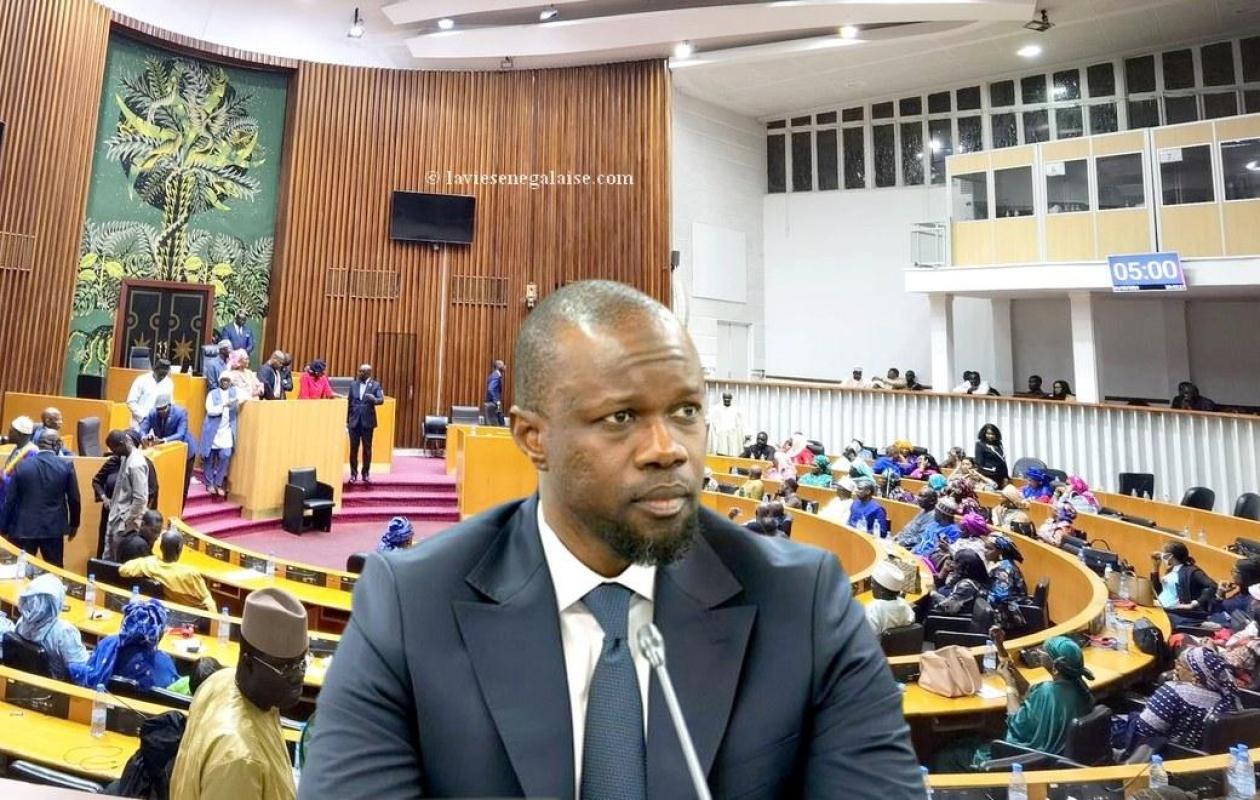
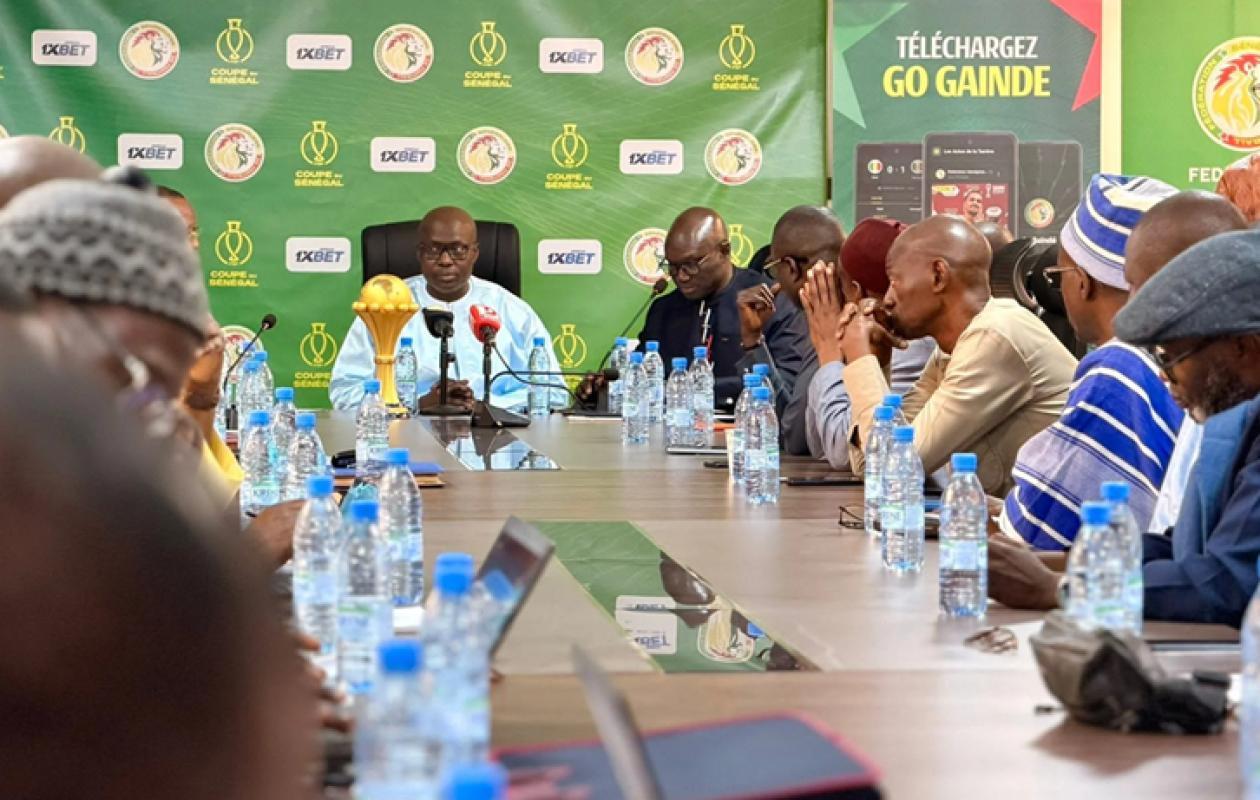
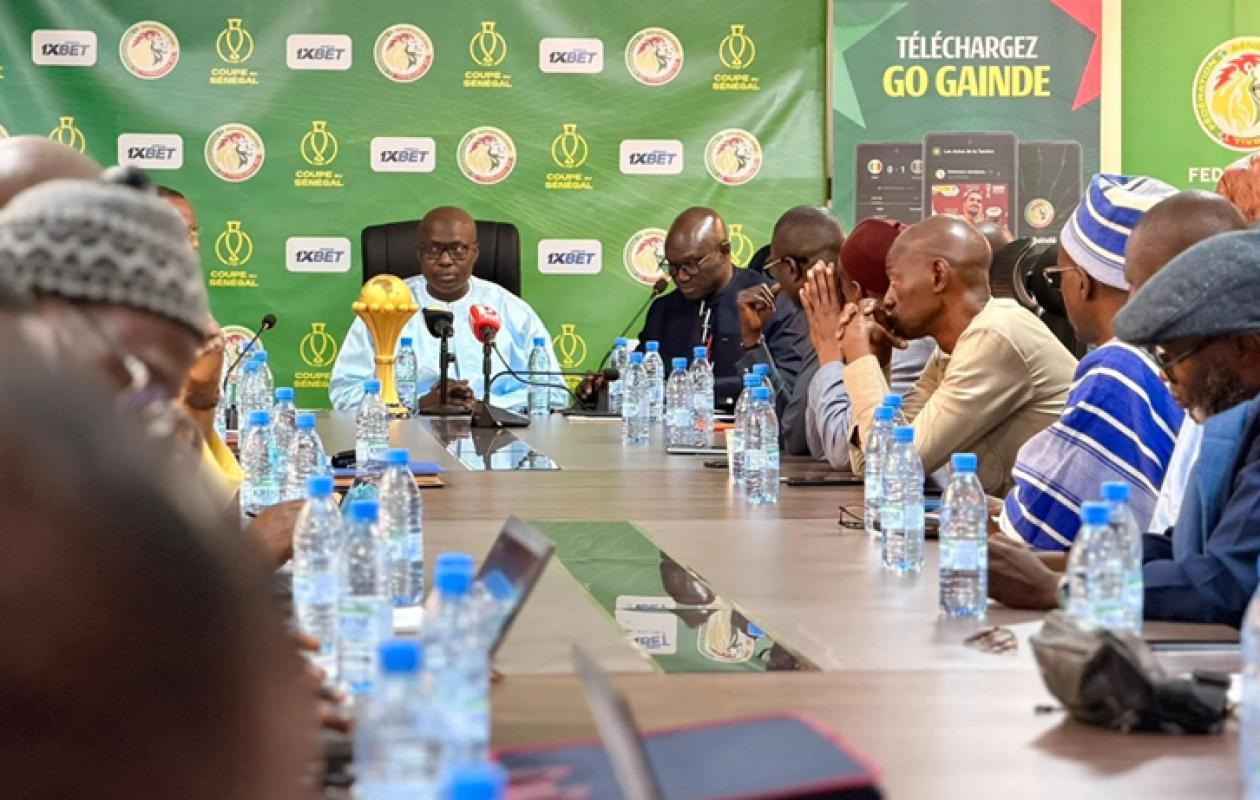
The Senegalese Rural Electrification Agency (ASER) held a press conference under the theme "Exercise in Transparency," amidst questions surrounding an ambitious rural electrification project and a legal dispute that has reached the Supreme Court. Addressing the press, agency officials expressed a clear intention: to shed light on a complex case involving financial stakes, suspected irregularities, and ongoing legal proceedings.
Speaking at the event, Mbaye Babacar Diouf, technical advisor on strategy to the Director General of ASER, defended this clarification initiative. "For reasons of transparency and accountability, we decided to make authentic documents available to the public. Because silence is complicit in all monstrosities," he stated.
A strategic project for rural electrification
At the heart of this communication is a large-scale project aimed at electrifying 928 rural communities, with plans to expand to more than 1,500 villages. The total cost is estimated at €140 million, or approximately 91.8 billion CFA francs. According to ASER, nearly 36.7 billion CFA francs have already been disbursed in advances. This major investment is presented as essential for improving access to electricity in rural areas.
Its origins date back to 2022
The project originated from an initial contact established on August 17, 2022 between the Senegalese embassy in Spain and the company AEE Power EPC, around an initial program covering 700 localities.
A commercial contract was signed in December 2022, prior to the conclusion of the official market contract on February 23, 2024, between ASER and the Spanish company. Subsequently, advance payments were ordered, including a start-up advance and an advance on expenses incurred, for a total amount of approximately 37 billion CFA francs.
Disputed documents and a breakdown of trust
But the project descended into controversy with the emergence of documents deemed inauthentic. According to explanations provided, checks with institutions such as the Central Directorate of Public Procurement (DCMP) and the tax authorities revealed that some documents did not originate from the aforementioned administrations, contained administrative irregularities, or did not correspond to any official record. These issues led to a breakdown of trust between the contracting parties, jeopardizing the project's execution.
Given the scale of the dispute, the case was brought before the Supreme Court, marking a new stage in the proceedings. According to ASER officials, the high court issued a ruling that provides a legal framework for the litigation, reiterating the applicable rules regarding public procurement and defining the limits of the contractual relationship between the parties.
















Commentaires (13)
Participer à la Discussion
Règles de la communauté
💡 Astuce : Utilisez des emojis depuis votre téléphone ou le module emoji ci-dessous. Cliquez sur GIF pour ajouter un GIF animé. Collez un lien X/Twitter, TikTok ou Instagram pour l'afficher automatiquement.
Se connecter
Commentez avec votre profil, votre photo, et soyez averti des réponses.