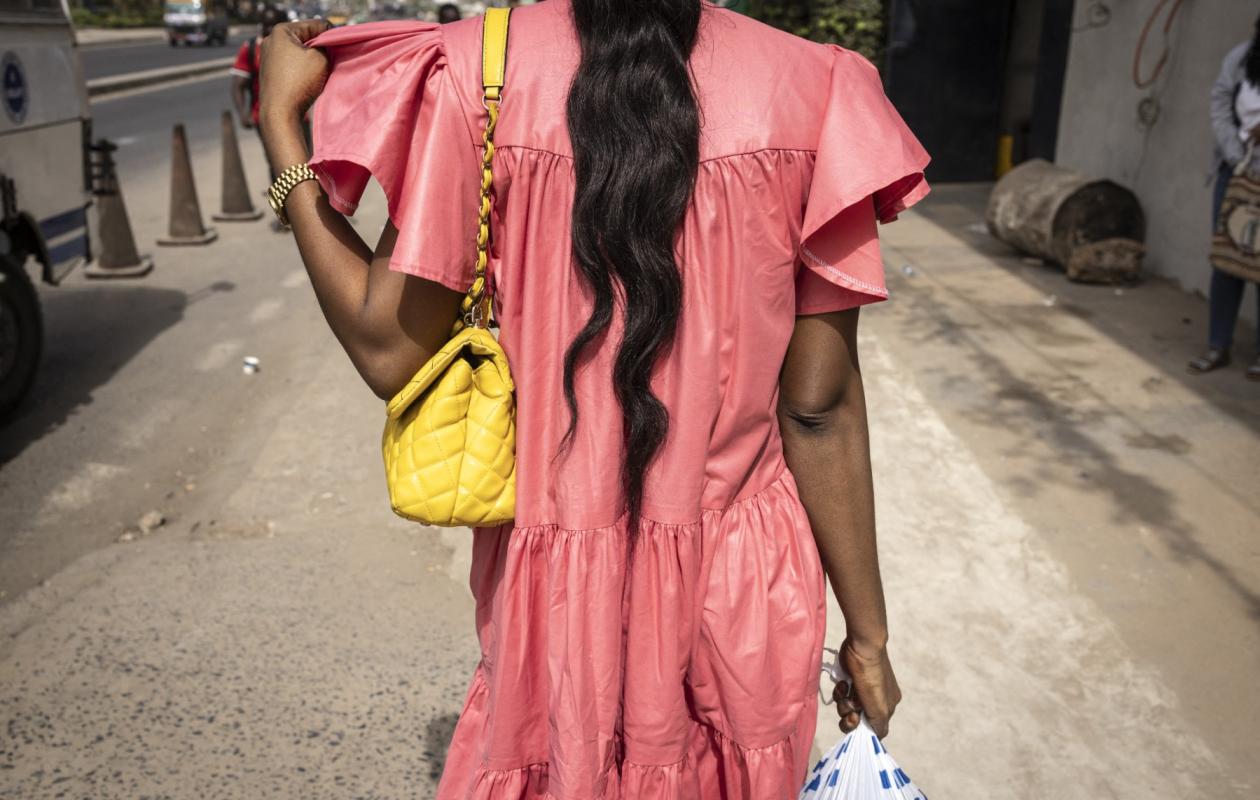
98,5% sans contrat et 98,9% de victimes de violences : L'enfer chiffré du travail domestique à Dakar !
The figures are unequivocal and paint a picture of a sector largely characterized by precariousness. A study presented by the Center for Research and Action on Economic, Social and Cultural Rights (CRADESC) at the MOCODOM workshop highlights the alarming conditions in which domestic workers operate in Senegal. Between the lack of contracts, low wages, gender-based violence, and insufficient social protection, the report reveals an extremely fragile social reality. The survey was conducted in several areas, ranging from impoverished neighborhoods to residential sectors, combining quantitative and qualitative approaches. Community forums, as well as consultations with civil society organizations and international institutions, enabled the collection of diverse data.
According to the study's findings, nearly 57% of domestic workers surveyed are between 15 and 25 years old, confirming a strong youth presence in this sector. Even more concerning, over 21% of those surveyed are between 12 and 15 years old, despite the existence of a legal framework prohibiting child labor. The study also reveals that 67.5% of domestic workers have attended school, a finding that challenges some preconceived notions. The report emphasizes that these workers are not uneducated but rather lack opportunities.
CRADESC highlights the limitations of the Senegalese legal framework, particularly the 1978 Labor Code, which is deemed inadequate to meet current realities. Among the most striking figures, 98.5% of domestic workers do not have an employment contract. Furthermore, 94% are unaware of their rights as workers, and almost all are not registered with the labor inspectorate. Without a contract, the worker is subject to the employer's discretion, which fosters abuse, arbitrary dismissals, and non-payment of wages.
The document also mentions particularly harsh working conditions. More than 56% of employees work days exceeding eight hours, sometimes reaching up to 70 hours per week, while the legal limit is 40 hours per week. Resident workers, who represent 37.5% of those surveyed, are among the most vulnerable. Living with their employers, they are often subjected to violations of human dignity. One worker testified to sleeping on the floor in a corner of the house, without a mattress or basic amenities.
CRADESC also reveals significant underpayment. More than 51% of workers receive a wage below the legal minimum, set at approximately 58,900 FCFA. Some employers justify this situation by citing their own financial constraints, arguing that the food provided compensates for the low wages. Consequently, nearly 90% of domestic workers have no social security coverage, including health insurance and retirement benefits, even though these rights have been enshrined in law since 1961.
One of the most appalling findings concerns gender-based violence. According to the study, 98.9% of domestic workers surveyed reported experiencing some form of violence. Faced with these assaults, 45% of victims prefer to confide in family and friends, while only 9% seek legal counsel. The lack of reporting mechanisms thus fosters silence. In light of this situation, CRADESC calls for an urgent reform of the legal framework to ensure better protection and the effective enforcement of existing laws.





















Commentaires (7)
Participer à la Discussion
Règles de la communauté :
💡 Astuce : Utilisez des emojis depuis votre téléphone ou le module emoji ci-dessous. Cliquez sur GIF pour ajouter un GIF animé. Collez un lien X/Twitter, TikTok ou Instagram pour l'afficher automatiquement.