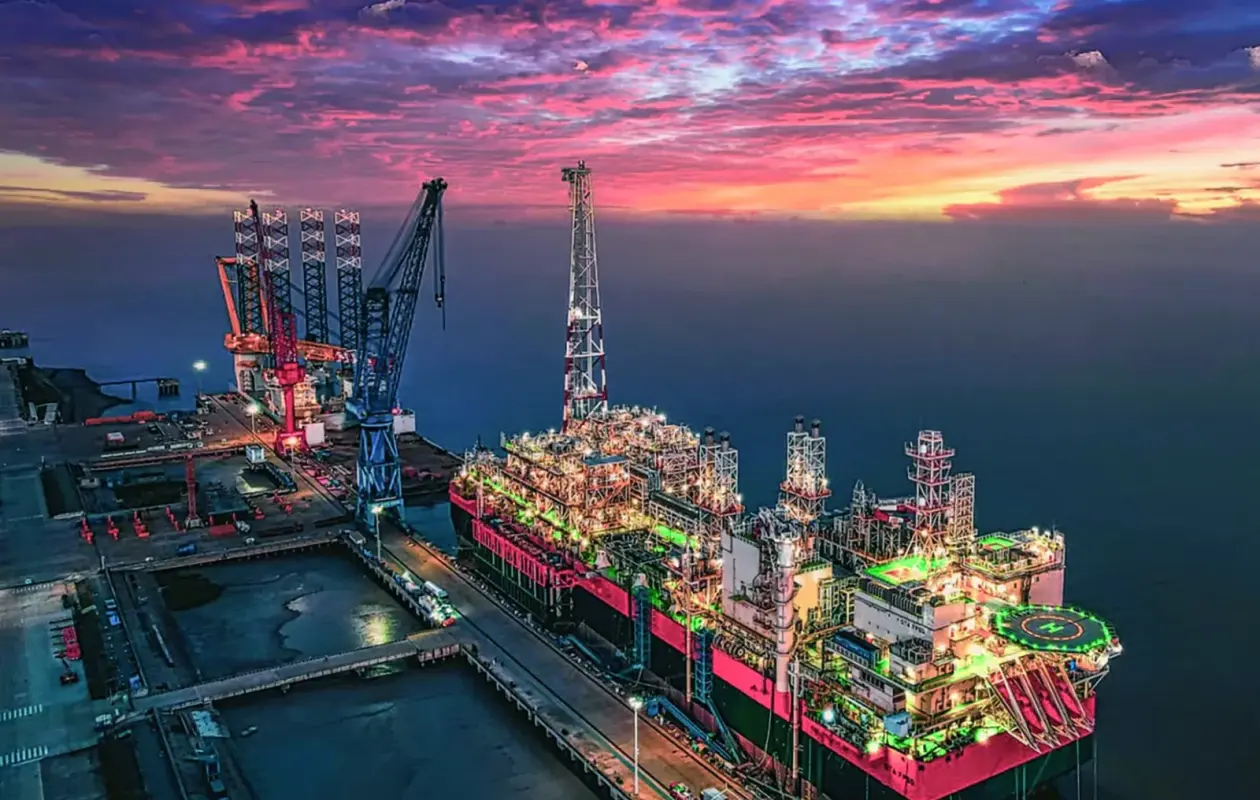
As development projects proliferate in Senegal, the question of their environmental and social impacts remains a central concern for communities. In Dakar, a capacity-building workshop brought together women leaders from Bargny and the Saloum Islands on April 21, 2026, to better understand and utilize Environmental and Social Impact Assessments (ESIAs). Organized by the NGO Syndev (Synergy for Development), this initiative aims to address a persistent imbalance: that between projects, often large-scale, and local populations, particularly women, who bear the brunt of the consequences without always having the necessary tools to make their voices heard.
Pollution, land loss, degradation of natural resources, and the weakening of economic activities: the negative effects of infrastructure projects are well documented. However, they disproportionately affect women and girls due to their central role in local economies and their limited access to resources and information. In this context, Environmental and Social Impact Assessments (ESIAs) are expected to play a key role. In theory, they allow for the anticipation, avoidance, or reduction of the negative impacts of projects.
However, in practice, their effectiveness is often questioned. Several limitations hinder the real impact of Environmental Impact Assessments (EIAs): their technical nature, their limited adoption by the public, consultations deemed insufficient, and limited access to information. Furthermore, some studies are conducted with an administrative focus, without rigorous follow-up on their recommendations.
As a result, the communities involved struggle to understand the issues and defend their rights against the developers. "There is a real need for outreach and training. Women must be able to analyze these studies and use them as an advocacy tool," emphasizes Babacar Diouf, an environmental geographer and specialist in monitoring projects funded by international institutions.
The workshop aimed to address this gap. It allowed participants to familiarize themselves with the different stages of the Environmental and Social Impact Assessment (ESIA) process, develop their critical analysis skills, and strengthen their advocacy strategies. Discussions also focused on concrete cases, including energy projects in Bargny and Malicounda, the Regional Express Train (TER), and the GTA gas project in Saint-Louis, often cited as "hot spots" in terms of social and environmental impacts.
Present at the meeting, the regional director of the Environment and Classified Establishments of Dakar, Abdourahmane Ndour, reiterated that the projects are governed by a strict process. From site identification to community validation, including studies conducted by accredited firms and their review by a technical committee, each step, he explained, aims to guarantee the protection of both the population and the environment. "No project can begin without a certificate of environmental compliance. The local communities are consulted, and the State ensures adherence to laws and regulations," he emphasized.
Despite this framework, tensions persist between communities, authorities, and project developers. For the administration, certain misunderstandings or excessive demands fuel the conflicts. For civil society, the problems stem more from a lack of transparency, weak monitoring, and perceived insufficient participation. In this context, strengthening community capacity appears essential for rebalancing power dynamics. Beyond the technical aspects, the issue of Environmental and Social Impact Assessments (ESIAs) raises a broader question: that of environmental and social justice.
Yandé Diop



![[ EXCLUSIF] De l'amour à la trahison : pourquoi Ahmadou Lamine Dia a livré Ndiaga Seck aux policiers de Linguère](https://image.seneweb.com/content/news/2026-21-19//thumb_1260x800_6a0ba9ae394fb_B6LUdDvsqZ.jpg)








Commentaires (0)
Participer à la Discussion
Règles de la communauté :
💡 Astuce : Utilisez des emojis depuis votre téléphone ou le module emoji ci-dessous. Cliquez sur GIF pour ajouter un GIF animé. Collez un lien X/Twitter, TikTok ou Instagram pour l'afficher automatiquement.