
Co-construire la mobilité africaine de demain : pourquoi l’État doit choisir une réglementation agile pour stimuler la croissance
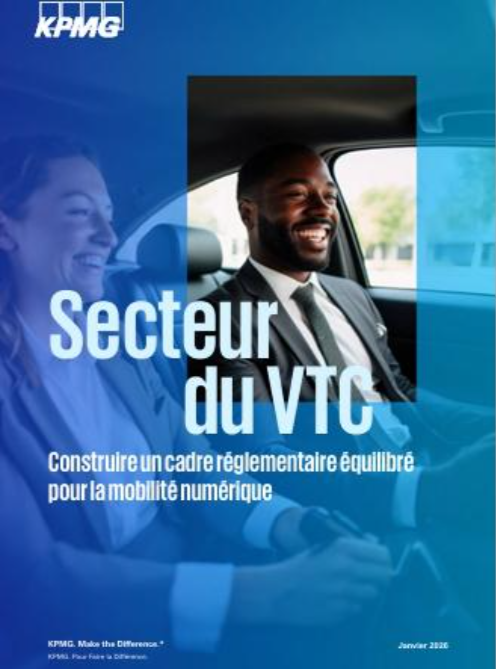
The rapid urbanization of the African continent represents not only a logistical challenge but also an unprecedented economic opportunity that necessitates a profound overhaul of transportation systems. According to a strategic study by KPMG published in early 2026, ride-hailing platforms are no longer mere technological innovations; they have become veritable financial engines for major cities and fully-fledged public service infrastructures. By connecting millions of users to a traceable mobility offering, these players are injecting a growth dynamic that extends far beyond the simple realm of transportation. For this potential to be transformed into a lever for sustainable development and a pillar of emergence, the report emphasizes the urgent need to shift from a logic of restrictive control to strategic partnership regulation, capable of unlocking the full added value of the sector.
A catalyst for formalization and tax revenue
The first major contribution of ride-hailing services lies in their unique ability to formalize a sector historically dominated by the informal economy. By digitizing each trip, these platforms offer unprecedented financial transparency that directly benefits national economies through optimized tax collection. This transition to formalization is not limited to taxation; it extends to safety and inclusion. The example of Argentina is telling in this regard: the introduction of options allowing passengers to choose exclusively female drivers led to a 203% increase in the number of female drivers in Mendoza. Securing rides acts as a catalyst: it establishes a climate of trust that stimulates the entire ecosystem, thus generating entrepreneurial opportunities for young people while strengthening urban safety.
A powerful engine of economic emancipation
Beyond mere mobility, these platforms are emerging as genuine tools for social transformation, particularly for women. In Brazil and Mexico, a KPMG study demonstrates that ride-hailing has become a cornerstone of economic empowerment: more than 50% of women who regularly use these services state that the reliability and safety of digital transportation have been crucial in their access to the job market and their financial independence. By making commutes safer late at night or in underserved areas, the technology removes a major barrier to economic participation. This finding resonates with the needs of African metropolises, where the inclusion of women and young people in the formal economy is a top priority for development policies.
The challenge of agile regulation in the face of rigid models
The heart of the debate now lies in the nature of the regulatory framework. The KPMG study warns against the temptation to model ride-hailing rules on those of traditional taxis, often characterized by strict quotas, the requirement for all drivers to obtain a taxi license, and commission caps. Conversely, the adoption of "agile regulation" has already proven its effectiveness. In Ghana, the signing of a flexible memorandum of understanding in 2016 led to a surge in supply and an immediate improvement in mobility. Even more impressively, Portugal saw its number of drivers triple in five years after clarifying its legislation in 2018. This administrative flexibility, coupled with automated taxation systems, allows states to guarantee regular revenue while fostering innovation and reducing carbon footprints, as exemplified by Dubai, which reduced its CO2 emissions by 20,000 tons in one year through route optimization.
For African nations, the challenge is no longer limited to simply managing urban traffic. It is now about defining operational digital sovereignty. By adopting this vision, African countries will not merely regulate a service; they will build a resilient digital ecosystem capable of transforming demographic pressure into a structured and prosperous economic force.
The models and recommendations presented in this white paper offer pragmatic and adaptable courses of action for different national contexts. To explore these issues further and discover all the recommendations, the full KPMG study (2026) is available via the following link: https://kpmg.com/fr/fr/insights/transport/mobilite-regulation-vtc.html
























Commentaires (0)
Participer à la Discussion
Règles de la communauté :
💡 Astuce : Utilisez des emojis depuis votre téléphone ou le module emoji ci-dessous. Cliquez sur GIF pour ajouter un GIF animé. Collez un lien X/Twitter, TikTok ou Instagram pour l'afficher automatiquement.