Crise de l'assainissement : L'Alliance des Écologistes (ADES) tire la sonnette d'alarme sur la pollution des eaux usées
From Hann Bay to the coasts of Saint-Louis, and throughout the inland cities, the conclusion of the Alliance of Ecologists of Senegal (ADES) is unequivocal: wastewater pollution has become "persistent, omnipresent, and pernicious." In a strongly worded statement, the organization calls on the National Sanitation Office (ONAS) and urges citizens to take immediate action in the face of this health and environmental threat.

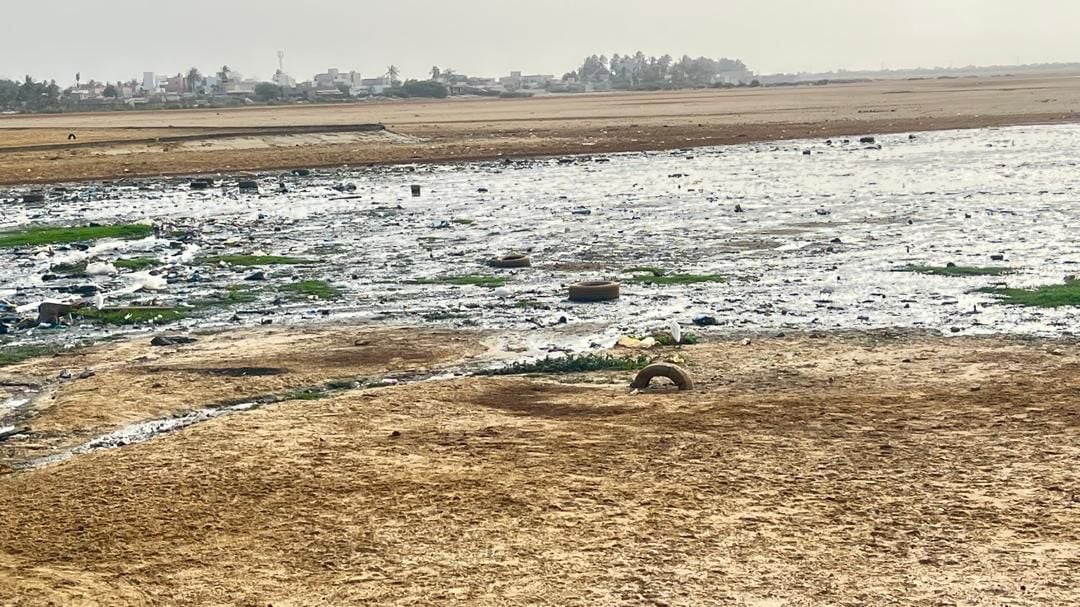
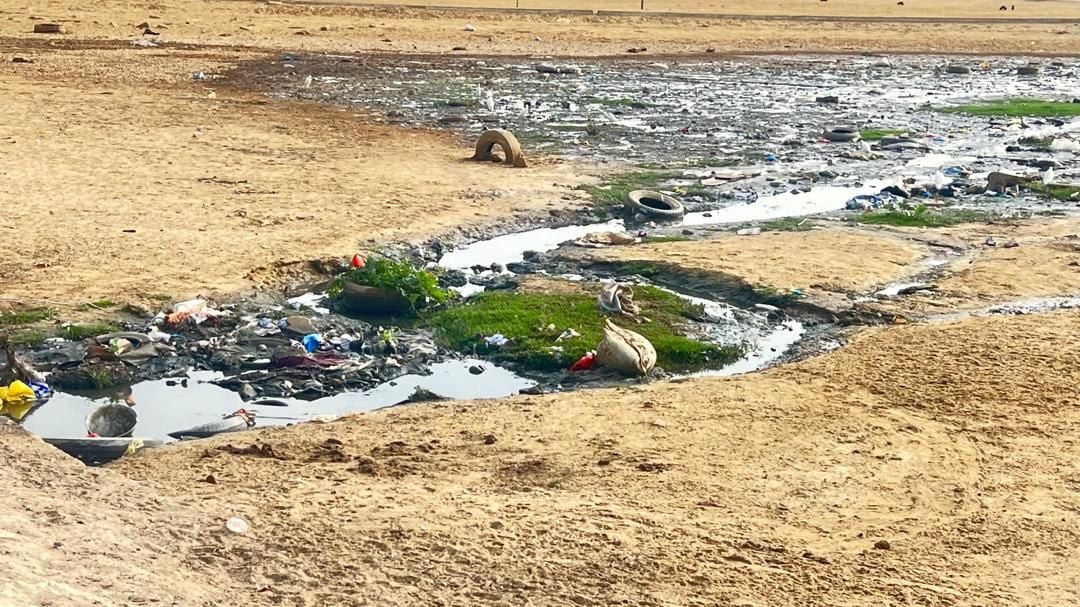
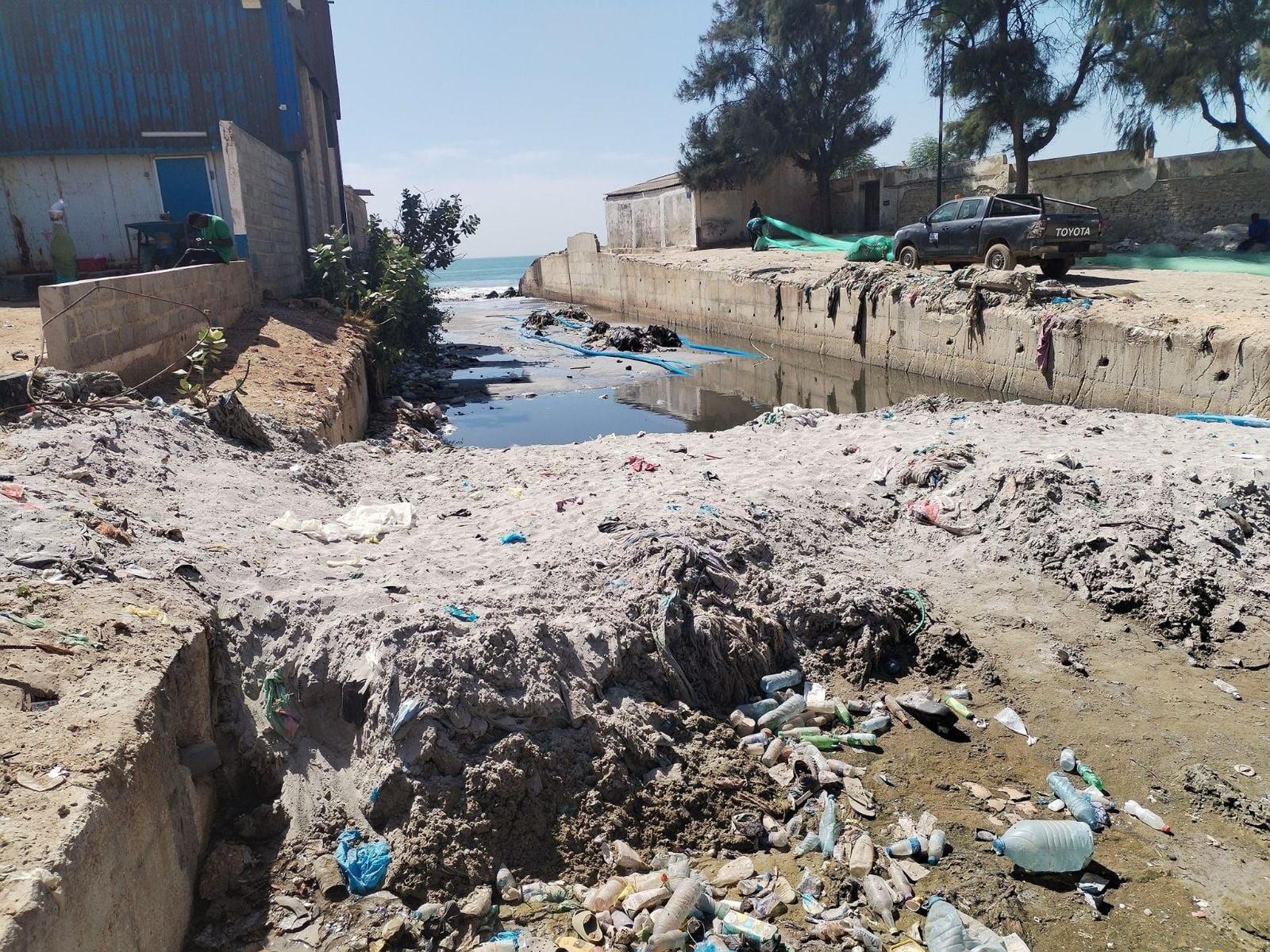
The Senegalese coastline and inland receiving environments are suffocating. For the Alliance of Ecologists of Senegal (ADES), the situation has reached a critical point. The organization paints an alarming picture of pollution that knows no borders, affecting areas as diverse as Hann Bay, the APIX housing project in Tivaouane Peulh, Rufisque, and the waterways of Kafountine.
A toxic cocktail for ecosystems
The ADES report highlights massive discharges of pollutants, ranging from organic matter and heavy metals to pathogens. This contaminated water, often discharged without any pretreatment, leads to irreversible degradation of biodiversity. The consequences are direct: nutrient overload, eutrophication of the environment, and a profound deterioration of water quality.
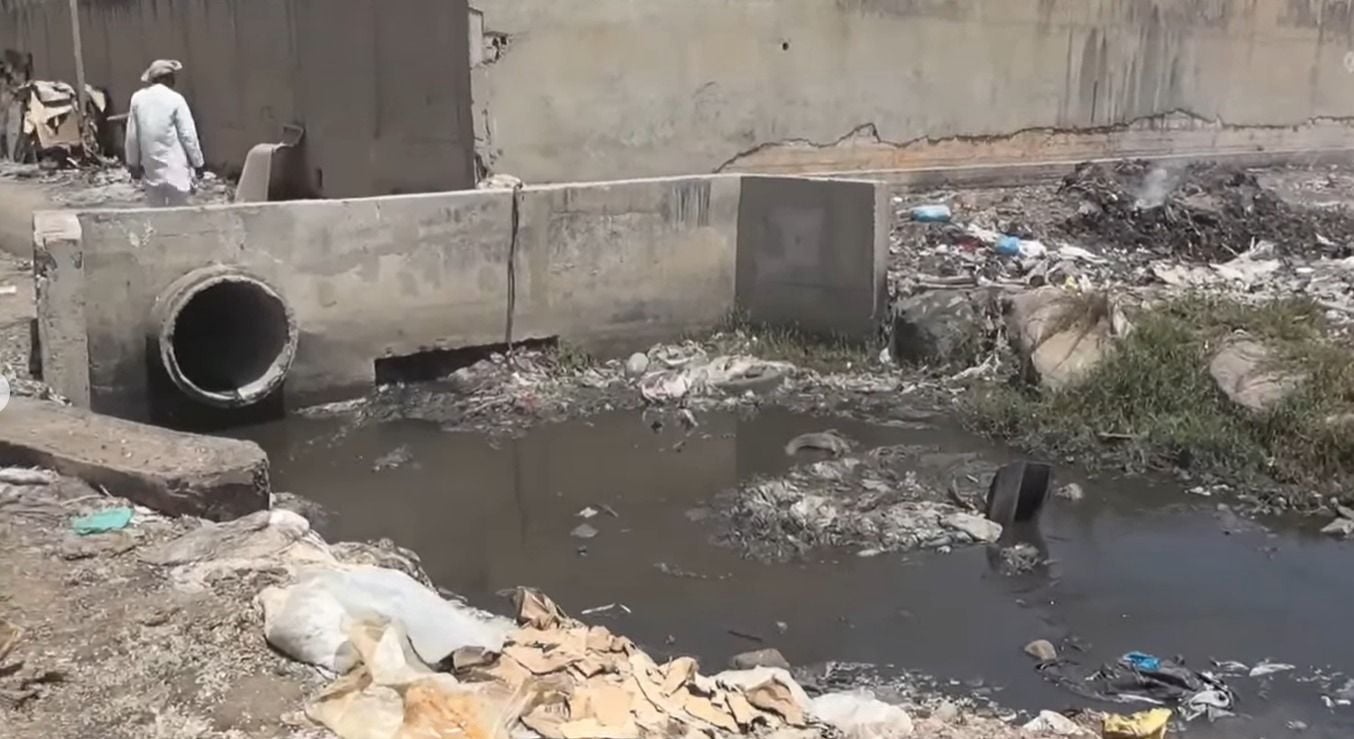
The organization cites a chilling global statistic to underscore the local urgency: every year, "9 million people die as a result of pollution," making it the leading environmental threat to human health. In Senegal, this phenomenon is exacerbated by sometimes inadequate infrastructure and a chronic lack of investment in prevention.
ONAS and the population face their responsibilities
ADES does not simply denounce; it targets those responsible. The National Sanitation Office of Senegal (ONAS) is directly "urged to put forward effective collection and treatment systems", with a clear requirement for bringing wastewater treatment plants up to standard.
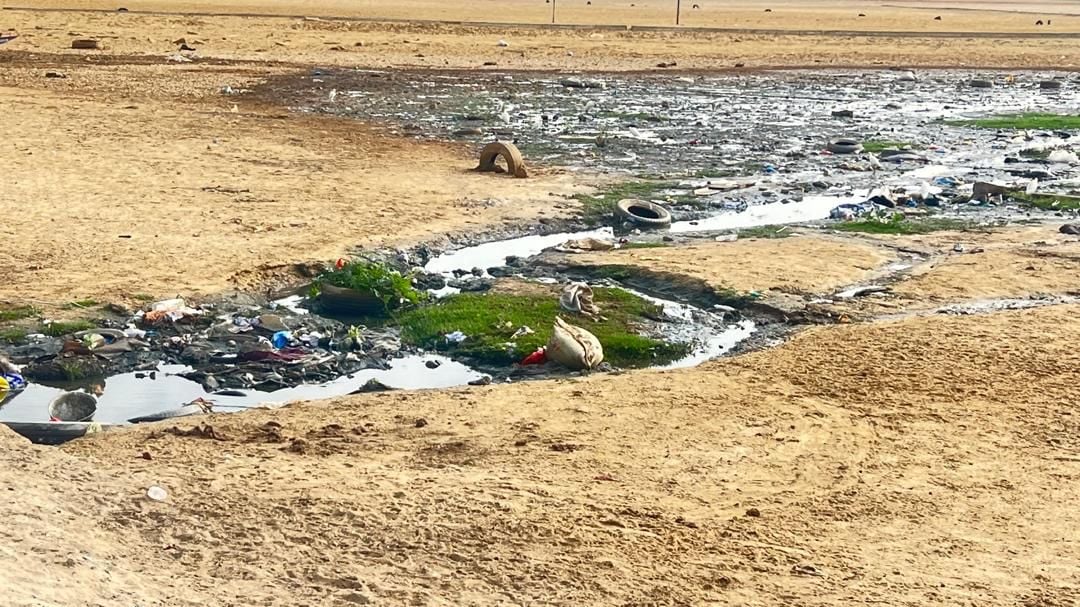
However, the state is not solely responsible. The Alliance also condemns "the irresponsibility and incivility of the population," pointing to illegal connections to the stormwater drainage network and the transformation of beaches into illegal dumps.
. 
For environmentalists, salvation will come through a radical "change of behavior" and responsible citizen management of living environments.
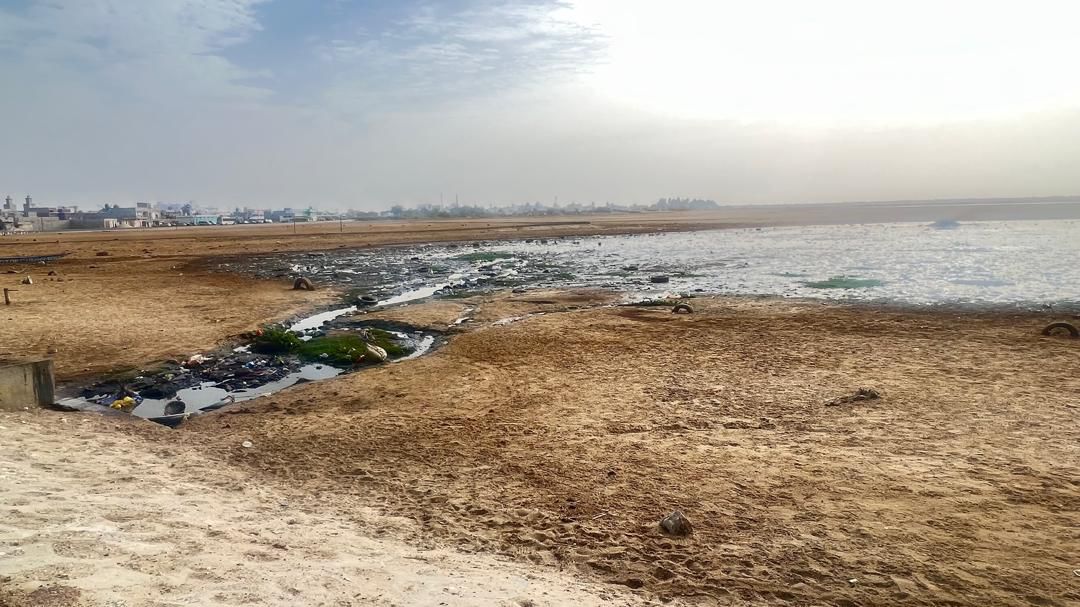
In conclusion, ADES emphasizes that protecting aquatic ecosystems is essential for maintaining life. It calls for a synergy between technical processes (physical, chemical, and biological) and civic responsibility to eliminate contaminants before they deliver the final blow to an already fragile environment.
























Commentaires (3)
Participer à la Discussion
Règles de la communauté :
💡 Astuce : Utilisez des emojis depuis votre téléphone ou le module emoji ci-dessous. Cliquez sur GIF pour ajouter un GIF animé. Collez un lien X/Twitter, TikTok ou Instagram pour l'afficher automatiquement.