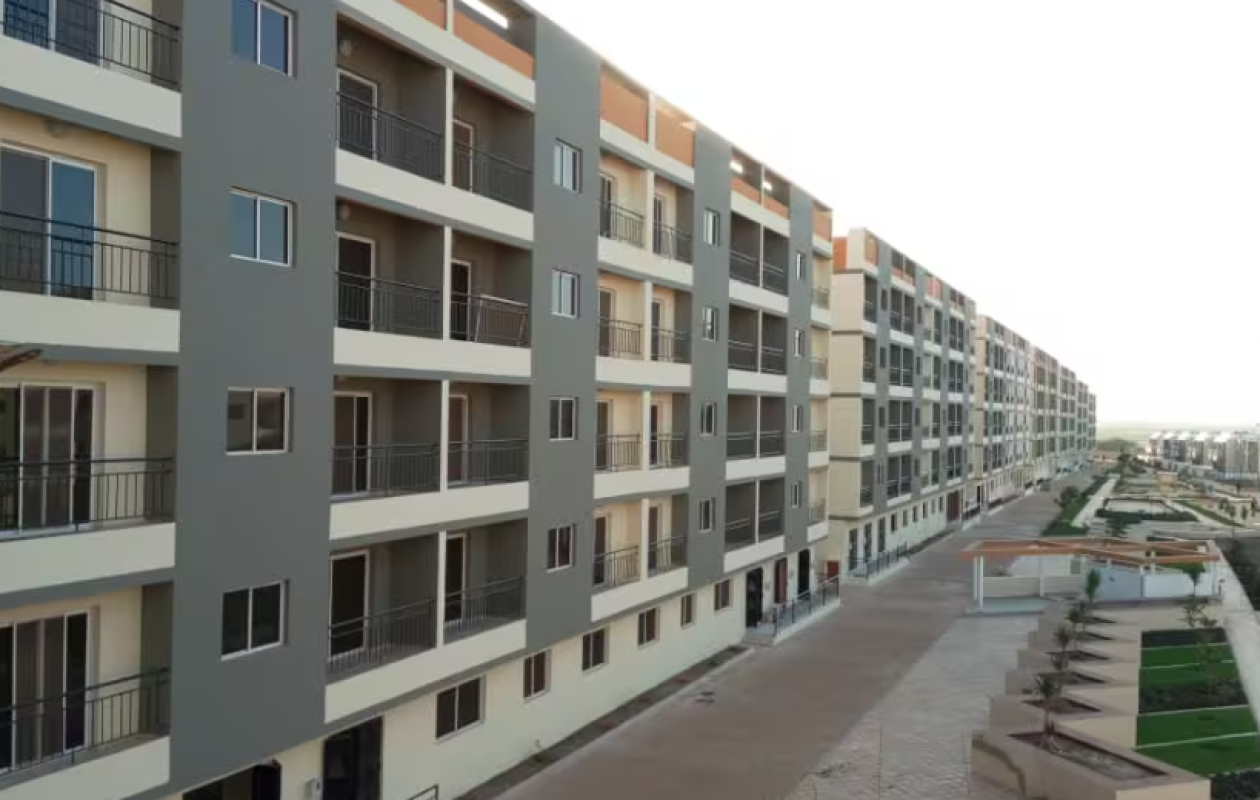
Immobilier hors de prix, revenus à la traîne : le grand décrochage urbain
In many African cities, land and housing prices are rising much faster than household incomes. Dakar, Abidjan, Lagos, and Accra have seen a sharp increase in the value of land, apartments, and houses for several years. This growth benefits landlords and investors, but it is pushing a growing segment of the population further out of access to housing.
Asset inflation refers precisely to this rapid increase in the value of certain assets, particularly real estate, land, or sometimes stocks. Unlike traditional inflation, which measures changes in the prices of everyday consumer goods, it affects capital assets. It is therefore less visible in traditional statistics, but its effects on inequality can be considerable.
In Dakar, land prices have risen sharply in several neighborhoods in recent years. In areas like Almadies, Mermoz, Ngor, and Diamniadio, some plots of land have seen their value double or triple in less than ten years. This increase is explained by land scarcity, rapid urbanization, real estate investments, and speculation.
The problem is that incomes are not keeping pace. Wages are rising slowly, while the cost of buying a home is becoming increasingly high. For a large proportion of households, purchasing land or an apartment is becoming unaffordable without an inheritance, family support, or a substantial loan. Even the urban middle class is struggling to keep up.
This real estate inflation is widening the gap between homeowners and non-homeowners. Those who already own land or a home see their assets increase in value. Conversely, those without real estate assets must dedicate a growing share of their income to rent or forgo homeownership altogether. This exacerbates wealth inequality, sometimes even more so than income disparities.
Rising land prices are also changing investment choices. Many savers prefer to buy land or build a building rather than finance a business, invest in the stock market, or support productive activities. Real estate is thus becoming a safe haven, attracting a large portion of available capital. This trend can limit the resources devoted to industry, agriculture, or innovation.
Part of this increase is linked to actual urban growth and housing demand. But when prices rise primarily because investors anticipate future increases, speculative logic takes over. Land remains undeveloped, housing remains empty, and prices continue to climb without any connection to residents' actual needs.
Asset inflation is thus becoming a factor in social and territorial division. It enriches a minority of existing property owners while simultaneously pushing a growing number of households away from urban centers and from access to homeownership. In several major African cities, housing is no longer just a social issue, but also a reflection of economic inequalities.























Commentaires (0)
Participer à la Discussion
Règles de la communauté :
💡 Astuce : Utilisez des emojis depuis votre téléphone ou le module emoji ci-dessous. Cliquez sur GIF pour ajouter un GIF animé. Collez un lien X/Twitter, TikTok ou Instagram pour l'afficher automatiquement.