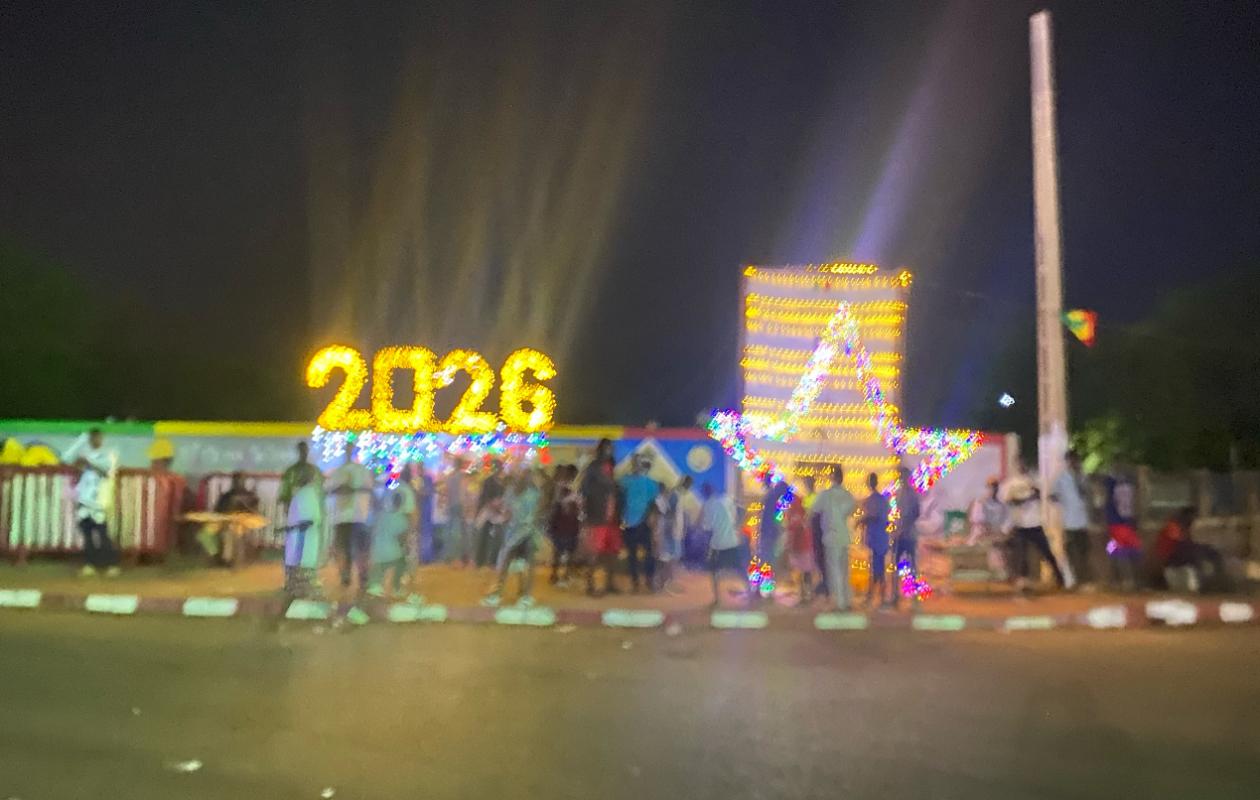
Kédougou, entre mines et chômage : les jeunes à l’épreuve de l’attente, l’espoir tourné vers 2026
In the far southeast of Senegal, the Kédougou region closes out 2025 with a mixed feeling of resilience and anticipation. Rich in gold deposits, the mining region nevertheless continues to face a persistent paradox: the abundance of resources contrasts sharply with the scarcity of jobs for a large and dynamic youth population.
Here, gold glitters underground, but it still struggles to illuminate the future for many young people. In Kédougou, Sabodala, Khossanto, and Saraya, unemployment and precarious living conditions remain daily realities. Many young people, whether they have degrees or not, oscillate between odd jobs, risky artisanal gold panning, or the migration to urban centers.
“We see mining company trucks passing by every day, but very few local young people are hired on a long-term basis,” says Ibrahima Sissoko, 27, a geography student, whom we met in the Lawol Tamba neighborhood of Kédougou. “We’re not asking for the impossible, just a chance to work with dignity in our own community.”
A youth exhausted, but still standing
In the dusty streets of the regional capital, conversations often revolve around employment. Sitting under a tree, 24-year-old Aminata Diallo, who holds a two-year technical degree in management, recounts her fruitless job search efforts:
"I've submitted applications everywhere, to mining companies, NGOs, even shops. We're often told that experience is necessary, but how can you get experience without a job?"
Like her, many young women feel doubly penalized. "We are rarely mentioned in mining projects. Yet, we can work in administration, accounting, local processing," she insists.
The presidential address, a breath of hope
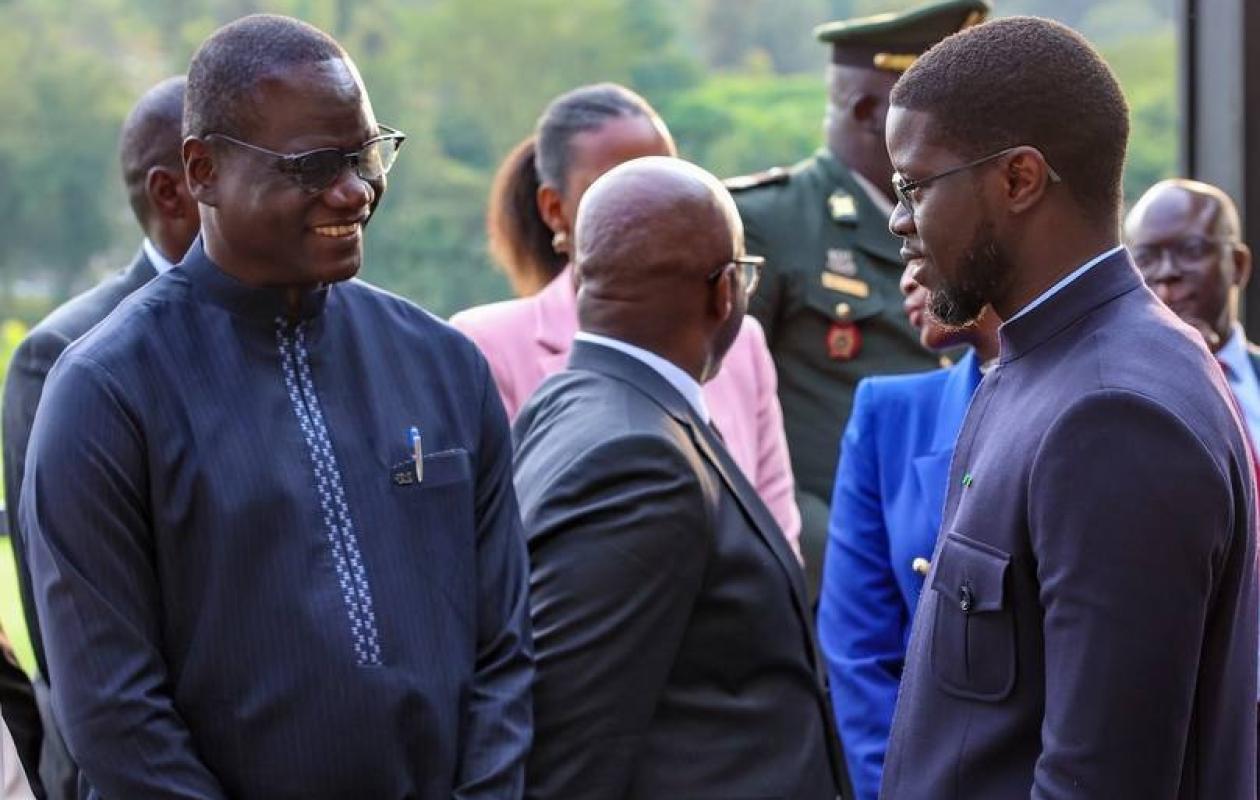
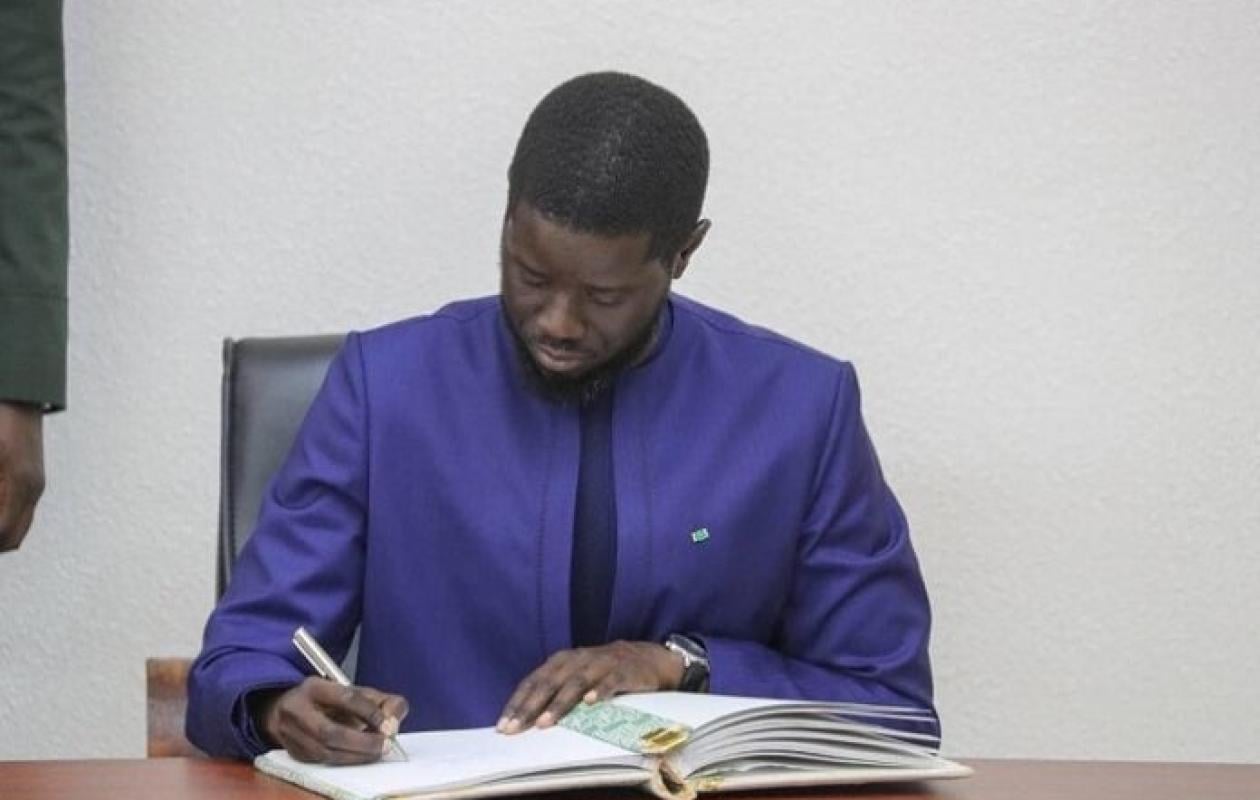
In this challenging context, President Bassirou Diomaye Faye's address to the nation, announcing 2026 as a year dedicated to employment and the social economy, resonated powerfully in Kédougou. For many young people, these words rekindled hope for tangible change.
“When the President spoke about youth employment and the social economy, I felt he was thinking of regions like ours,” says Moussa Keiïta, 30, a former gold miner who has switched to farming. “If the government helps us with training, funding, and better support, we can create jobs here, without waiting for the mines.”
Focus on local resources and solidarity
In Kédougou, some young people are already trying to forge their own path through community initiatives: agricultural cooperatives, livestock farming, processing of local products, or crafts. But they all point to the lack of support, access to credit, and structured markets.
“The solidarity economy can work here, but it needs real support,” explains Abdoulaye BA, 29, a member of a group of young producers. “We expect 2026 to be more than just a promise; we expect it to be a year of visible action on the ground.”
As the new year begins, the youth of Kédougou hold their breath. Between high expectations and pressing social needs, they hope that the presidential announcements will translate into inclusive public policies capable of transforming the region's mineral and agricultural wealth into real employment opportunities.
“We love this region and we want to stay here,” Ibrahima Diallo sums up. “If 2026 is truly the year of employment, then Kédougou must be a priority.”
In Kédougou, employment has become more than just a New Year's wish; it's a necessity. And for an entire generation, 2026 is expected to be a turning point.










Commentaires (0)
Participer à la Discussion
Règles de la communauté :
💡 Astuce : Utilisez des emojis depuis votre téléphone ou le module emoji ci-dessous. Cliquez sur GIF pour ajouter un GIF animé. Collez un lien X/Twitter, TikTok ou Instagram pour l'afficher automatiquement.