
Mévente du riz dans le département de Dagana : la colère monte chez les producteurs de la vallée
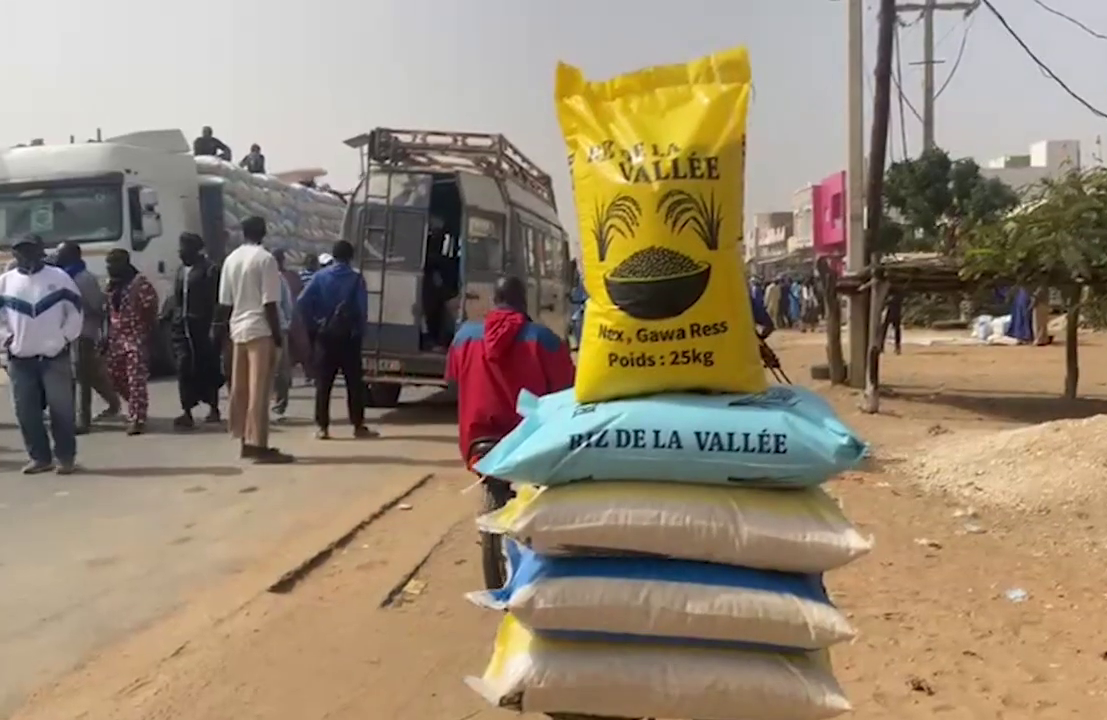
Discontent escalated on Saturday, January 10th, in the Dagana department. Hundreds of rice farmers from the Senegal River Valley took to the streets to alert authorities to the severe marketing crisis plaguing their sector. Paradoxically, this situation comes after an agricultural season marked by record production.
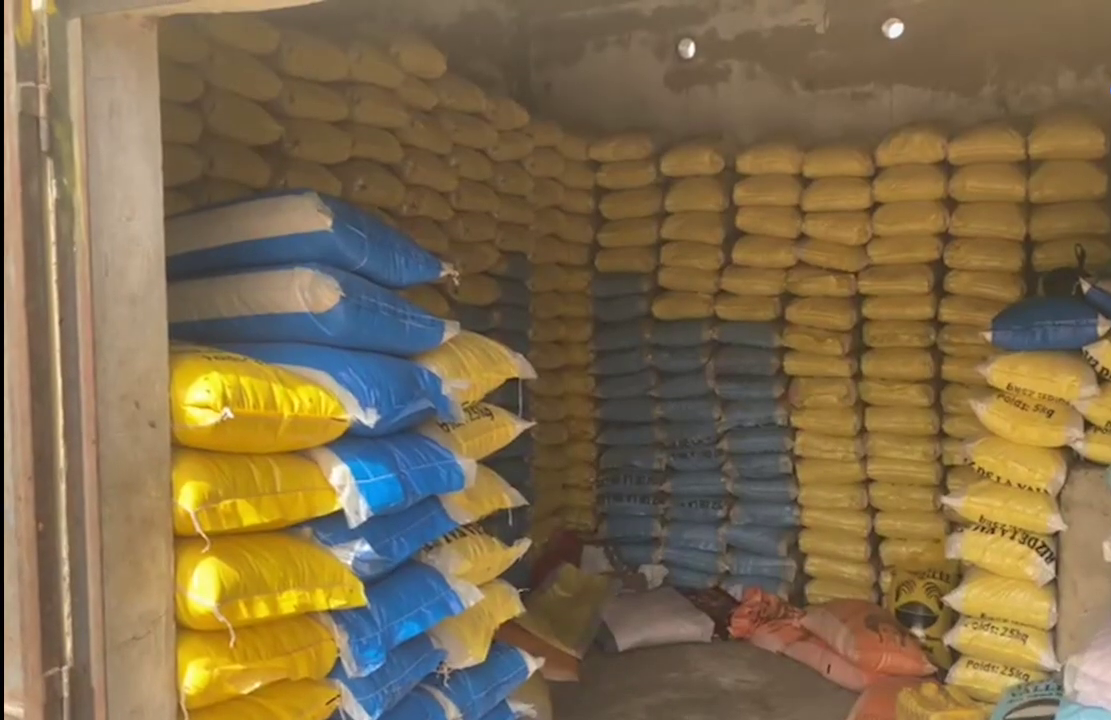
According to producers, nearly 9,000 tons of white rice and over 308,000 tons of paddy rice remain unsold in the department. This massive unsold stock jeopardizes their livelihoods and directly threatens preparations for the next agricultural season. "It's an alarming and catastrophic situation. We worked hard, invested our meager resources, but today, our harvests remain in storage," laments one producer.
The president of the Dagana rice producers' association is pointing the finger at the Ministry of Commerce's policies. He accuses the minister of favoring imports at the expense of local rice. "We had set up a platform bringing together producers and importers. The objective was clear: to require importers to buy rice from the valley first before benefiting from the DIPA (Integrated Rice Production Allowance). But since the arrival of the new minister, everything has been called into question," he laments.
Rice farmers are also denouncing the recent decision to reduce the price of imported rice on the market. In their view, this measure severely penalizes local production by making foreign rice more attractive to consumers. "How can we sell our produce if imported rice is sold for less?" they ask.
Faced with this crisis, producers are making an urgent appeal to the Senegalese government. They are demanding immediate measures to facilitate the sale of their produce, protect the local sector, and guarantee decent incomes for those involved. They believe that without a swift solution, the next agricultural season could be jeopardized, jeopardizing the country's goal of rice self-sufficiency.
























Commentaires (11)
Il ya le coût des aménagements et surtout d’entretien des périmètres agricoles qui handicape les campagnes.
Le coût de l’énergie aussi est élevé comme partout dans le pays. C’est une culture saisonnière et l’abonnement électrique comporte souvent une prime fixe à payer quelque soit la saison.
Le financement des campagnes pose problème. Il est souvent assuré par des banques populaires dont le crédit n’est pas adapté.
Le matériel agricole n’est pas souvent disponible de même que les intrants.
Le riz n’est pas bien transformé et la commercialisation pose problème
L’importation du riz de moindre qualité et coût concurrence le riz local.
Participer à la Discussion
Règles de la communauté :
💡 Astuce : Utilisez des emojis depuis votre téléphone ou le module emoji ci-dessous. Cliquez sur GIF pour ajouter un GIF animé. Collez un lien X/Twitter, TikTok ou Instagram pour l'afficher automatiquement.