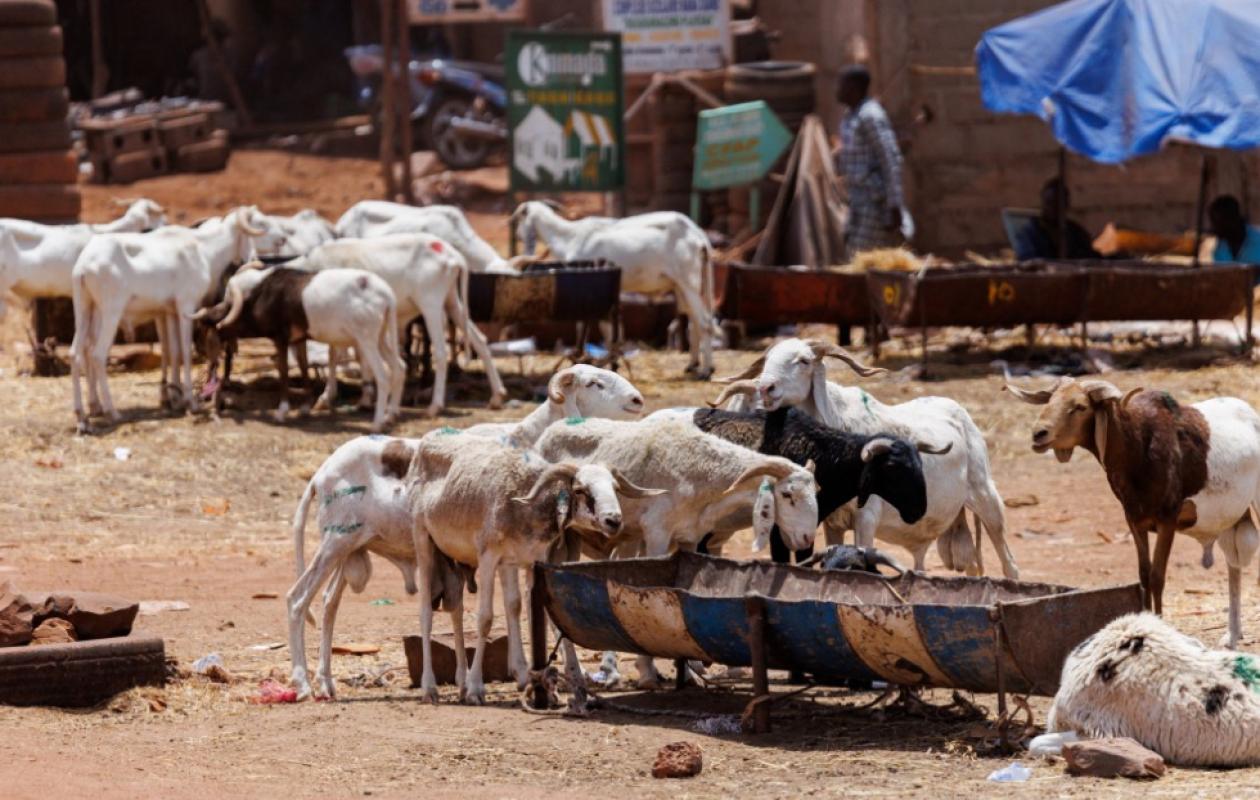
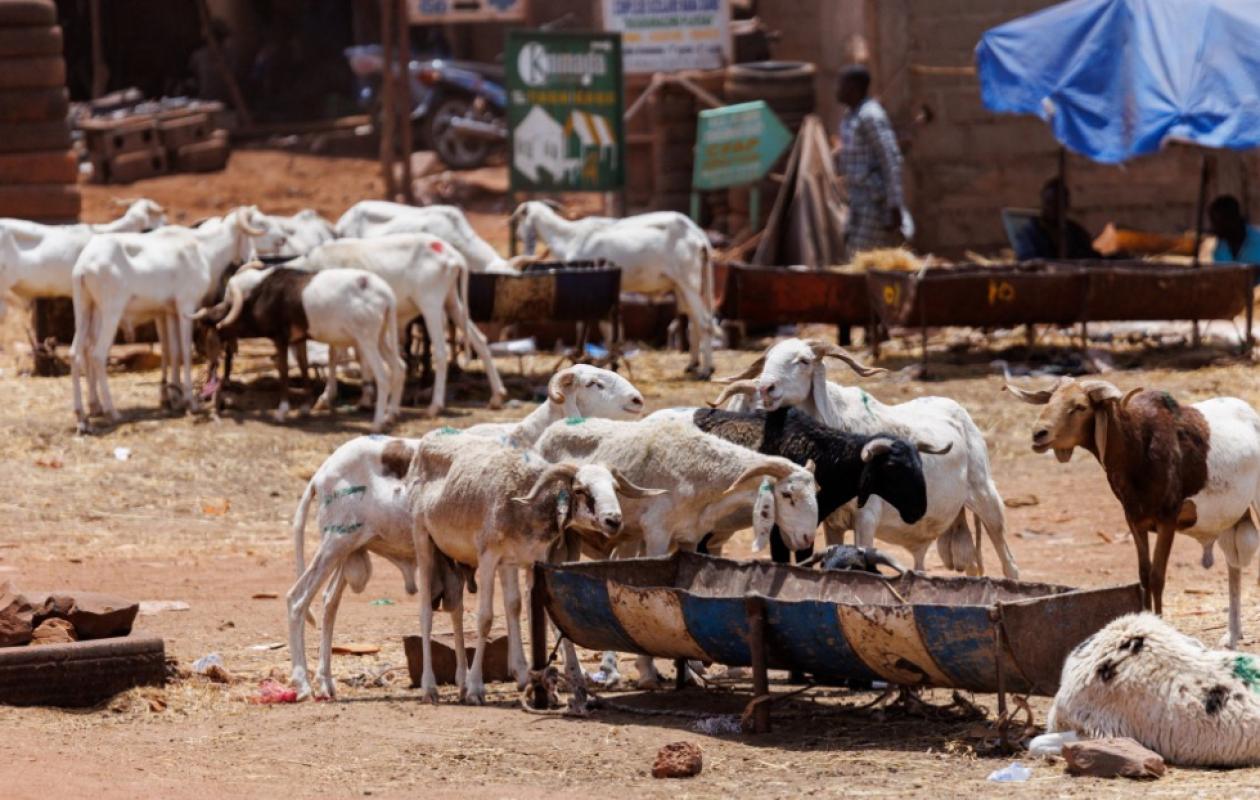
Moutons invendus : Pourquoi la Tabaski 2026 a tourné au fiasco pour les éleveurs
The 2026 Tabaski festival has left a bitter taste for many young Senegalese livestock farmers. Having invested significant sums in purchasing, feeding, and transporting their animals, many now find themselves with hundreds of unsold sheep. They attribute this situation to the decline in household purchasing power, as well as the lack of support from government authorities.
El Hadj Malick Ka, president of the young livestock farmers' association, strongly denounces the criticism leveled at sheep sellers. According to him, the farmers are being unfairly accused of charging excessive prices this season. He asserts that many believe sheep were overpriced this year, but that this is not the case. The real problem lies in the fact that many Senegalese simply could not afford to buy a ram due to the current economic difficulties.
A heavy financial burden and massive returns to livestock farming areas
At his sales site, the situation is particularly bleak, with trucks already loading unsold animals to be taken back to their breeding grounds. El Hadj Malick Ka explains that he is currently sending his sheep back to Ngoundiane, representing a huge loss. The farmers have no choice but to return to their farms and continue feeding their livestock, hoping to sell them later. The breeder reveals that he had transported nearly 1,000 head of livestock for Tabaski (Eid al-Adha), and that at the end of the season, approximately 400 sheep remain unsold, representing a heavy financial burden.
Faced with these difficulties, young livestock farmers are particularly critical of the Ministry of Livestock. El Hadj Malick Ka believes that the ministry has not provided the expected support to the sector. He states that since the current minister took over, stakeholders have not felt his impact on the ground and that he does not accurately reflect the difficulties faced by livestock farmers. Therefore, they are formally requesting the President of the Republic to take the necessary measures to revitalize the sector.
Soaring logistics costs and speculation on livestock feed
Logistical costs are also a major source of concern for the sector. According to the president of the young livestock farmers' association, transportation costs have significantly impacted overall expenses. He cites amounts ranging from 600,000 to 700,000 CFA francs to transport animals to sales points, in addition to other expenses related to travel to the markets in Ngoundiane or Kahone. He also disputes claims of significant government support for the sector, asserting that livestock farmers have received neither adequate funding nor sufficient support to cope with the challenges of the season. He particularly regrets having spent more than ten days at the CICES livestock market only to sell a small portion of his herd, demonstrating that the difficulties are real and that solutions are slow in coming.
Among the other major problems raised is the soaring price of livestock feed. Much of this feed is imported from Mali, significantly increasing production costs in Senegal. El Hadj Malick Ka also accuses some economic operators of speculating in this market by buying large quantities and reselling them at inflated prices, to the detriment of young livestock farmers. These farmers are now calling for urgent measures to support the sector and prevent the losses incurred during this Tabaski (Eid al-Adha) from permanently jeopardizing their livelihoods.

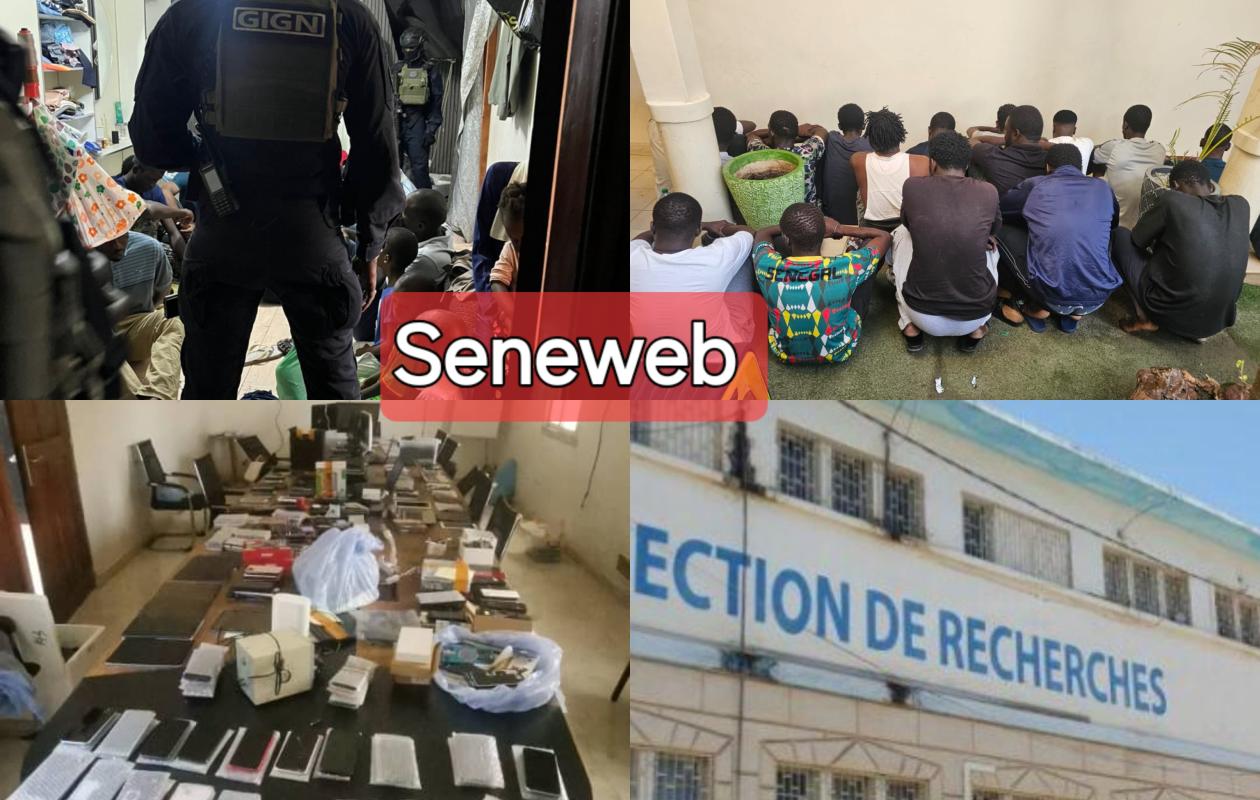









![[EXCLUSIF] Réseau de voleurs démantelé à Colobane : 500 téléphones, 33 tablettes et des ordinateurs saisis par la SR et le GIGN, 23 arrestations](https://image.seneweb.com/content/news/2026-22-30//thumb_1260x800_6a1b6ac9bcdc7_zf1U3G3p2i.jpg)










Commentaires (3)
Participer à la Discussion
Règles de la communauté :
💡 Astuce : Utilisez des emojis depuis votre téléphone ou le module emoji ci-dessous. Cliquez sur GIF pour ajouter un GIF animé. Collez un lien X/Twitter, TikTok ou Instagram pour l'afficher automatiquement.