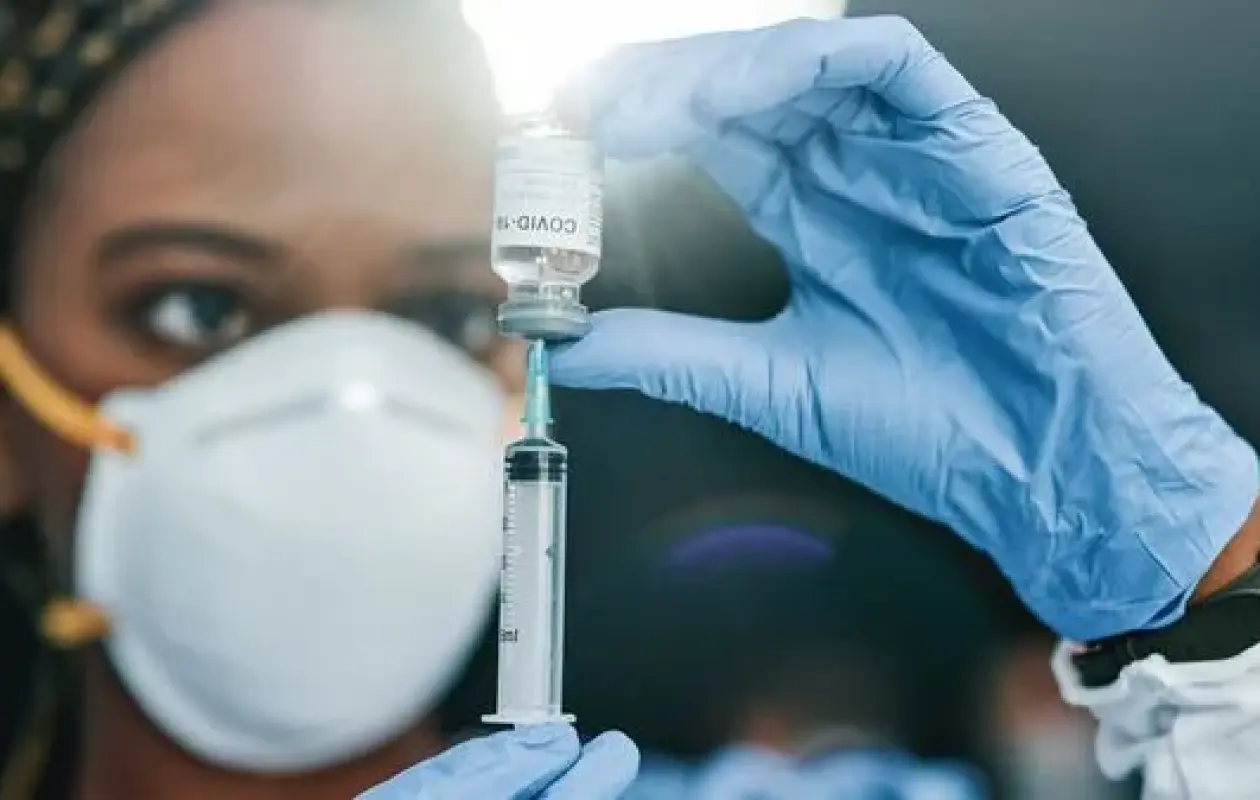
Senegal's push to revive domestic vaccine production has reached a critical juncture, but a major hurdle remains: a funding gap estimated at €9 million. This shortfall emerged during discussions at a meeting of the Interministerial Steering Committee for the Local Pharmaceutical Industry Development Project Management Unit (UGP/Pharma) on Thursday, April 16, 2026, in Diamniadio. The meeting, focused on pharmaceutical industry development and health sovereignty, was held at the Institut Pasteur de Dakar (IPD).
At the heart of the talks, health authorities, leaders from the Institut Pasteur de Dakar (IPD), and technical partners reaffirmed a shared ambition to establish Senegal as a regional hub for vaccine production. However, the financial equation must still be solved to accelerate the scaling-up of industrial capacity.
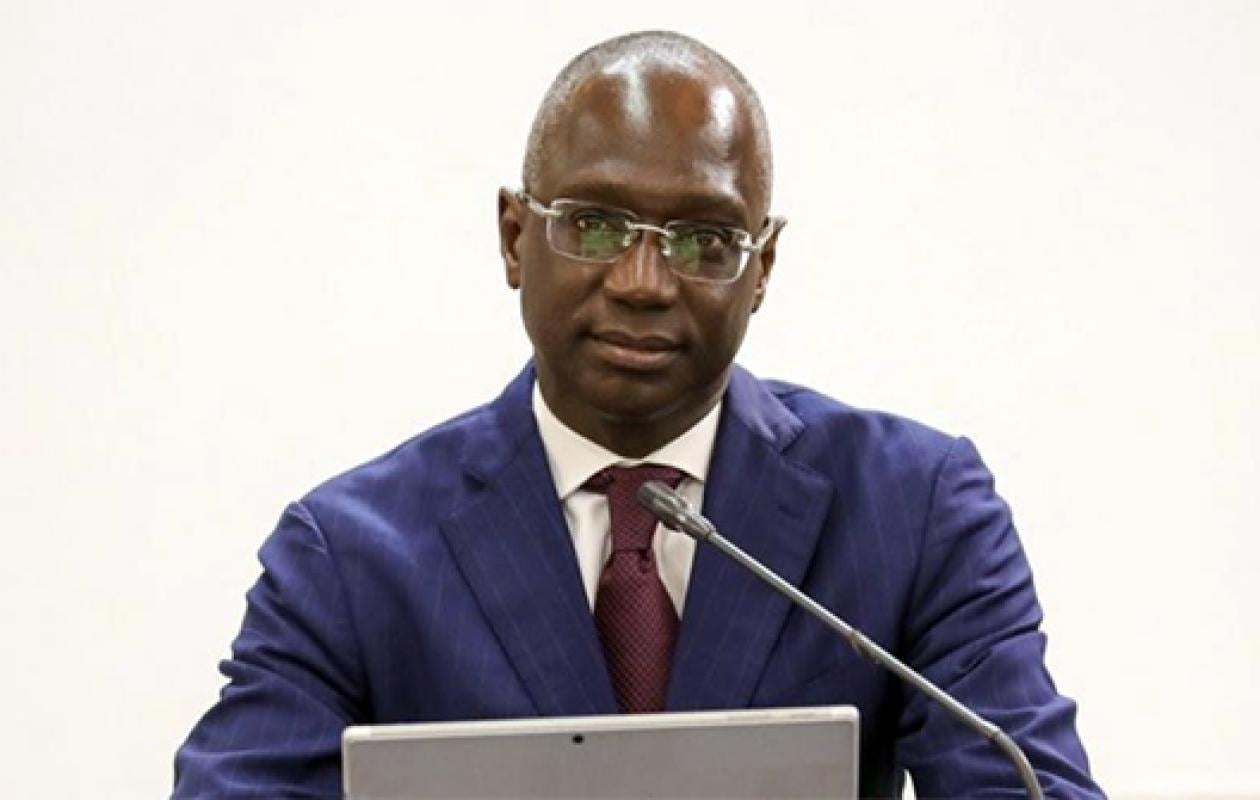
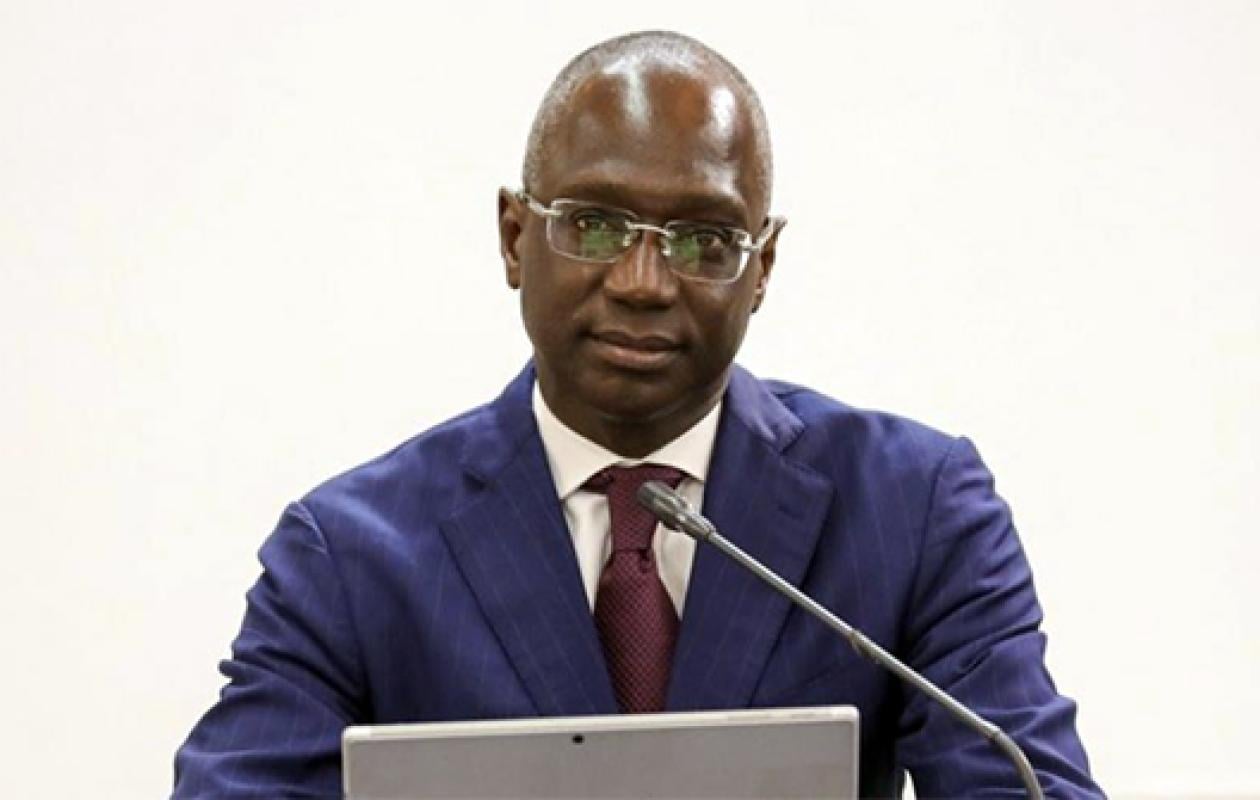
The Secretary-General of the Ministry of Health and chair of the steering committee acknowledged funding pressures while calling for broader mobilization. "The funding question is central to this ambition of achieving health sovereignty," he stated, referencing a deficit identified in implementing certain parts of the program.
According to him, corrective mechanisms are already being considered through monitoring bodies, notably the Ministry of Health's Delivery Unit, in coordination with the state's economic structures. The stated goal is to remove bottlenecks, particularly by leveraging innovative financing tools.
These include public-private partnerships (PPPs), mobilizing the private sector, support from technical and financial partners, and coordination with the Ministry of Economy.
On the technical front, the Institut Pasteur de Dakar confirms the gradual resumption of vaccine production, notably for the yellow fever vaccine, whose manufacture had been halted for several years.
For the IPD's Director-General, Professor Ibrahima Socé Fall, this revival marks a strategic turning point. "We have reinvested in capacities and procedures, and we are now in a phase of resuming production of the yellow fever vaccine," he explained.
The project is part of a broader vision for health sovereignty, including the development of other vaccines, such as those for measles and rubella, as well as innovations in diagnostics.
The Institut Pasteur also highlighted major scientific advances, including the development of the world's first rapid diagnostic test for measles.
The industrial project dubbed "Madiba," dedicated to large-scale vaccine production, is projected for 2030 in partnership with the African Union and Africa CDC. The goal is to build a complete chain from research to industrial production, aligned with the logic of African health sovereignty.
"We have chosen to have local end-to-end production capacities. It may take time, but it is a sustainable investment," emphasized Prof. Socé Fall.
Technical and financial partners, including Enabel, reaffirmed their commitment to this program established by the Ministry of Health and Public Hygiene. Since 2021, cumulative support is estimated to exceed 150 billion CFA francs, in the form of loans, grants, and technical assistance.
For European partners, pharmaceutical sovereignty transcends national interests. "It's a question of global public health," recalled Patrick Bernard, representing Team Europe, stressing the importance of an integrated ecosystem encompassing research, training, and industry.
Yandé Diop
















Commentaires (2)
Participer à la Discussion
Règles de la communauté :
💡 Astuce : Utilisez des emojis depuis votre téléphone ou le module emoji ci-dessous. Cliquez sur GIF pour ajouter un GIF animé. Collez un lien X/Twitter, TikTok ou Instagram pour l'afficher automatiquement.