
[Saint-Valentin] : Relations toxiques : Caméléon, râleur, égocentrique... Identifiez les profils qui éteignent votre lumière
Behind the roses and passionate declarations of Valentine's Day, some relationships hide a much darker reality. Loss of self-esteem, constant confusion, emotional exhaustion: love can sometimes become destructive.
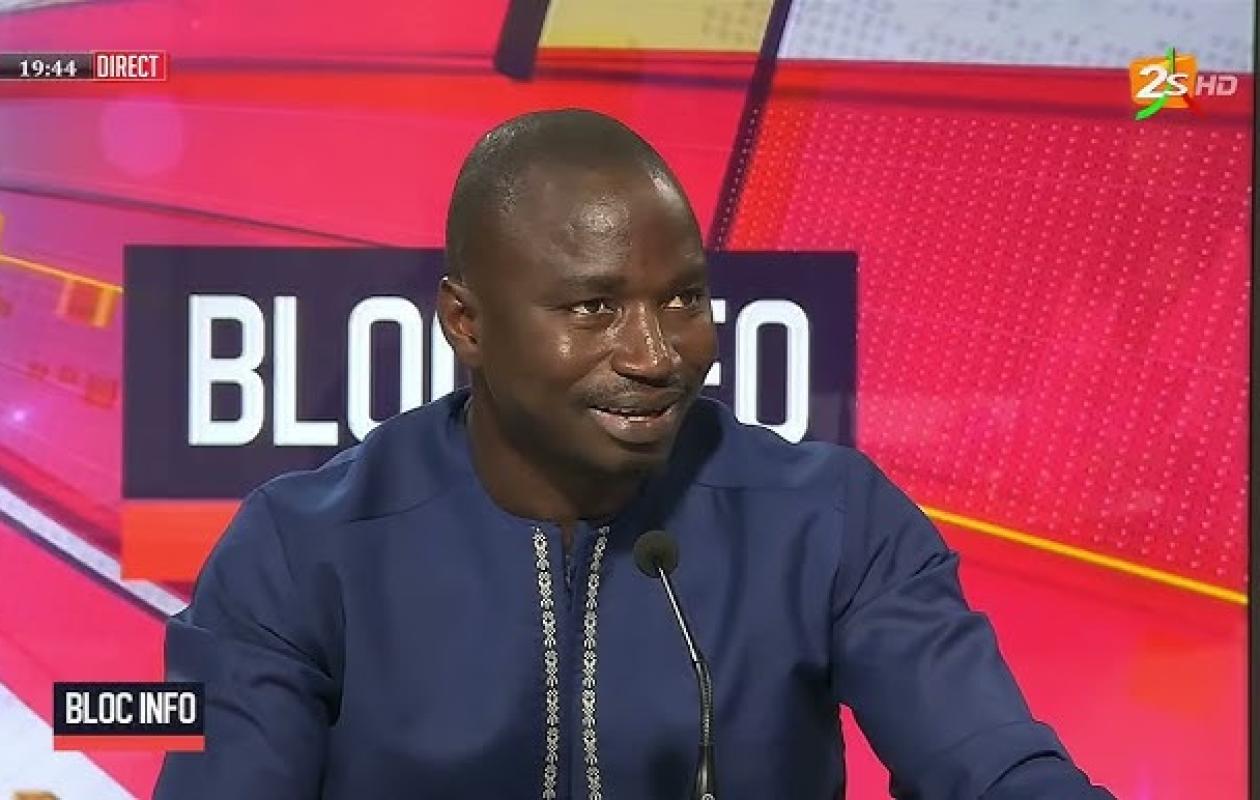
How can you recognize a toxic relationship? What are the most dangerous types of couples? And above all, how can you protect yourself? Relationship coach Kiné Ndiaye provides clear and straightforward answers to these questions.
How do you define a toxic romantic relationship?
Contrary to popular belief, it's not a relationship without arguments. Disagreements are a part of any human relationship. Toxicity develops over time. The other person's presence causes more suffering than well-being.
What are the concrete signs of an unhealthy relationship?
The signs appear gradually. There's a loss of joy and zest for life. The person no longer recognizes themselves. Their dreams fade, their ambition recedes, their joy diminishes. Self-esteem may decline. The woman doubts herself, hesitates to step outside her comfort zone, and begins to see the world through her partner's critical eyes. A sense of vagueness and constant tension is also present. In other words, there's no visibility into the future. Constant uncertainty and chronic stress prevail. The person feels like they exist without truly living, until they feel themselves slipping into a dark and exhausting inner state.
What are the five most common toxic profiles?
The first profile is the "wounded" type (still wounded): always on the defensive, they seek to control everything: decisions, relationships, sometimes even their partner's life. They are distrustful, emotionally closed off, and not very affectionate. As a result, the other person feels watched, restricted, and stressed.
The second type is the chameleon: Charming at first, they say exactly what you want to hear. But their tone changes abruptly. They alternate between warm and cold, flattery and criticism. After a conflict, they return as if nothing happened. Their partner ends up no longer knowing who they're dealing with.
The third profile is the perpetual complainer: Always dissatisfied, they criticize everything and everyone. They downplay successes and exaggerate problems. The result is a discouraged partner, never valued and emotionally drained.
The fourth profile is the self-centered type: Egocentric, they talk mostly about themselves. They ask for a lot but give little. The relationship becomes one-sided.
And finally, the fifth type is the emotional minimalist: a proponent of the path of least resistance. Minimal commitment, minimal involvement. Their favorite phrases: "We'll see," "Let's enjoy the moment," "Why complicate things?" They avoid any kind of long-term planning.
How can an incompatibility be recognized from the outset?
In a healthy relationship, there is fluidity and ease. In an incompatible relationship, there is force. Another sign is the imbalance between giving and receiving. One person carries the relationship on their shoulders while the other withdraws. Finally, there is progressive emotional exhaustion. A healthy relationship nourishes. An incompatible relationship drains.
In your opinion, what is the most obvious sign?
You're living as a double agent. You're constantly thinking about what you can say and what you can keep silent about. You're no longer free to be yourself. Confusion sets in: "Is the problem with me? Am I exaggerating?" When these questions become constant, it's time to take a step back.
How to avoid getting involved with a toxic person?
The key to achieving this lies in inner work, starting with self-knowledge, strong self-esteem, and above all, clarity about your needs and boundaries. The clearer you are about your values, the less leverage toxic individuals will have over you.
So, how can we protect ourselves?
Emotional protection is a step-by-step process. The first step is to strengthen one's inner stability. The second is to rebalance the four areas of life: personal, family, romantic, and professional. A brain nourished in multiple spheres is less likely to become excessively attached to a single relationship. The brain doesn't like a vacuum.
How to rebuild your life after a toxic relationship?
Rebuilding begins with an essential step, such as making peace with one's past. This involves identifying and healing emotional wounds, learning to set clear boundaries through assertive communication, and learning to thrive even in solitude. Loving must become a conscious choice, not a vital need.
It should not be forgotten that a healthy relationship brings peace and emotional security, while a toxic relationship creates doubt, fatigue, and confusion.























Commentaires (3)
Participer à la Discussion
Règles de la communauté :
💡 Astuce : Utilisez des emojis depuis votre téléphone ou le module emoji ci-dessous. Cliquez sur GIF pour ajouter un GIF animé. Collez un lien X/Twitter, TikTok ou Instagram pour l'afficher automatiquement.