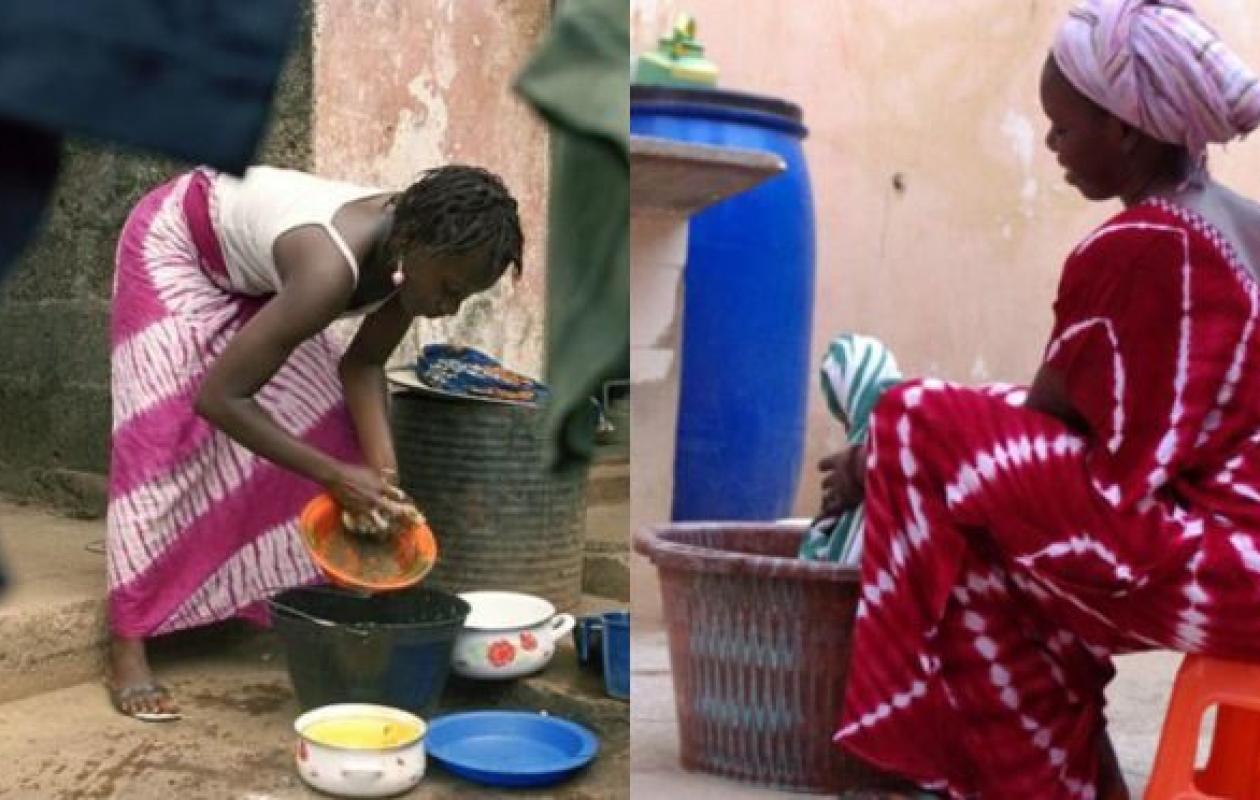
Salaires dérisoires et violences cachées : Le combat pour la dignité des domestiques à Dakar
Organised within the framework of the MOCODOM project by the Group for the Study and Teaching of Population (GEEP), in partnership with the Institute of Research for Development (IRD), the event, entitled "Domestic Employment in Senegal: Issues, Challenges, and Prospects for Decent Work", aims to initiate a sectoral dialogue in order to concretely improve the living and working conditions of "domestic workers".
For Mélanie Jacquemin, a sociologist and researcher at the IRD, there is no typical profile of a domestic worker. "We must condemn abuses, fight for rights, but also value situations where things go well," she explained, emphasizing that it is a sector where "all abuses are possible" due to a lack of social protection and concrete regulation.
She stressed the need to raise awareness of violence, including "symbolic" or "soft" violence. "Yelling at someone all day is a form of violence, even if you don't hit them. Gender-based violence is widespread, but women often lack the strength to speak out," she said.
The sociologist also denounced the invisibility of the sector: "Within the trade union federations, domestic workers' unions are at the bottom of the ladder. In the media, they are only mentioned to denounce the worst situations. This makes this reality invisible."
Participating in the meeting, labor inspector Coumba Sagna indicated that the problem is not the absence of regulations. "There is indeed a legal framework that regulates domestic work. From the Constitution to ministerial decrees, all the texts that provide for worker protection, the right to leave, maternity leave, and wages are applicable," she reminded everyone.
She indicated that despite Senegal's non-ratification of ILO Convention 189 on domestic workers, the majority of its provisions are already being implemented: affiliation with the Social Security Fund and the IPRES (Senegalese Social Security Institute), the right to unionize, annual leave, and maternity protection. "Senegal is already implementing the content of Convention 189," she affirmed.
She calls on unions to raise awareness among female workers: "You have the right to a written contract and to IPRES affiliation. If this is not done, contact the labor inspectorate."
Mbène Seck, a member of the African Movement of Working Children and Youth, however, denounced a discrepancy: "They say there are decrees and conventions, but we do not feel represented in them. We are not involved," she insisted.
According to her, the daily lives of domestic workers are marked by violence: verbal, physical, psychological, sexual, as well as harassment and threats.
Despite the low rate of remuneration (between 20,000 and 45,000 FCFA), she also mentioned the deductions from salary: "They cut your salary because you were sick or because you broke a cup. Employers don't know about workplace accidents," she said.
Mbène Seck also highlighted employers' failure to respect contracts: "Ordinary Senegalese people do not respect contracts. It is mainly foreigners who respect them. All they care about is that we come and do the work and then leave."
Khadijatou Sam, a program analyst at UNDP, highlighted the economic and social importance of the sector. According to her, at least 250,000 workers are employed in this "informal and invisible" sector.
“This figure is underestimated, yet this profession is a stepping stone. It allows other people to go to work because someone else is taking care of the household chores,” she emphasized. She specified that “80% to 90% of domestic workers are women.”
Ms. Sam also raised concerns about the abuses suffered by domestic workers: gender-based violence, accusations of theft, and arbitrary dismissals. "It's a matter of social responsibility and dignity," she argued.
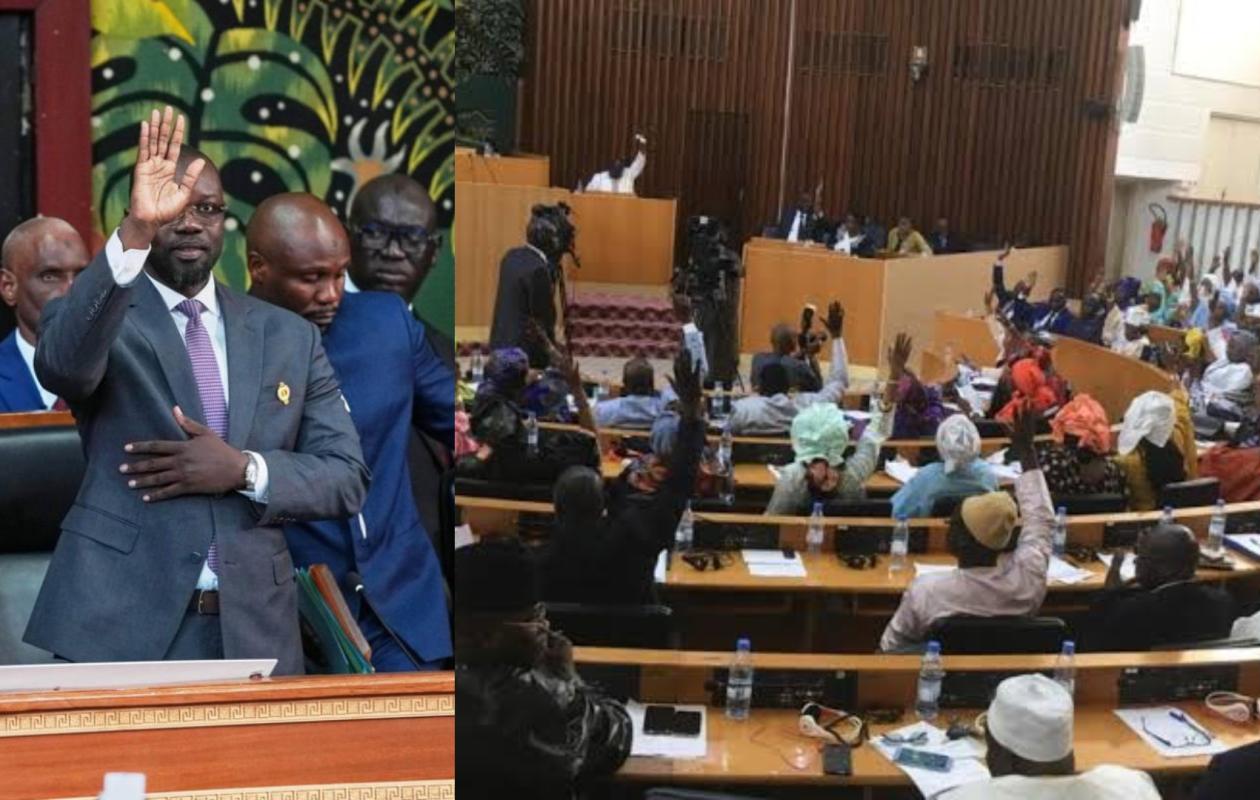
![[Exclusif] Révision de la Constitution : Le Conseil constitutionnel invalide le vote des députés](https://image.seneweb.com/content/news/2026-28-09//thumb_1260x800_6a4fdec36aa84_Tpa745ZYpD.jpg)


















Commentaires (4)
Participer à la Discussion
Règles de la communauté
💡 Astuce : Utilisez des emojis depuis votre téléphone ou le module emoji ci-dessous. Cliquez sur GIF pour ajouter un GIF animé. Collez un lien X/Twitter, TikTok ou Instagram pour l'afficher automatiquement.
Se connecter
Commentez avec votre profil, votre photo, et soyez averti des réponses.