Sédhiou : l’histoire coloniale des quartiers Mansacounda et Julescounda
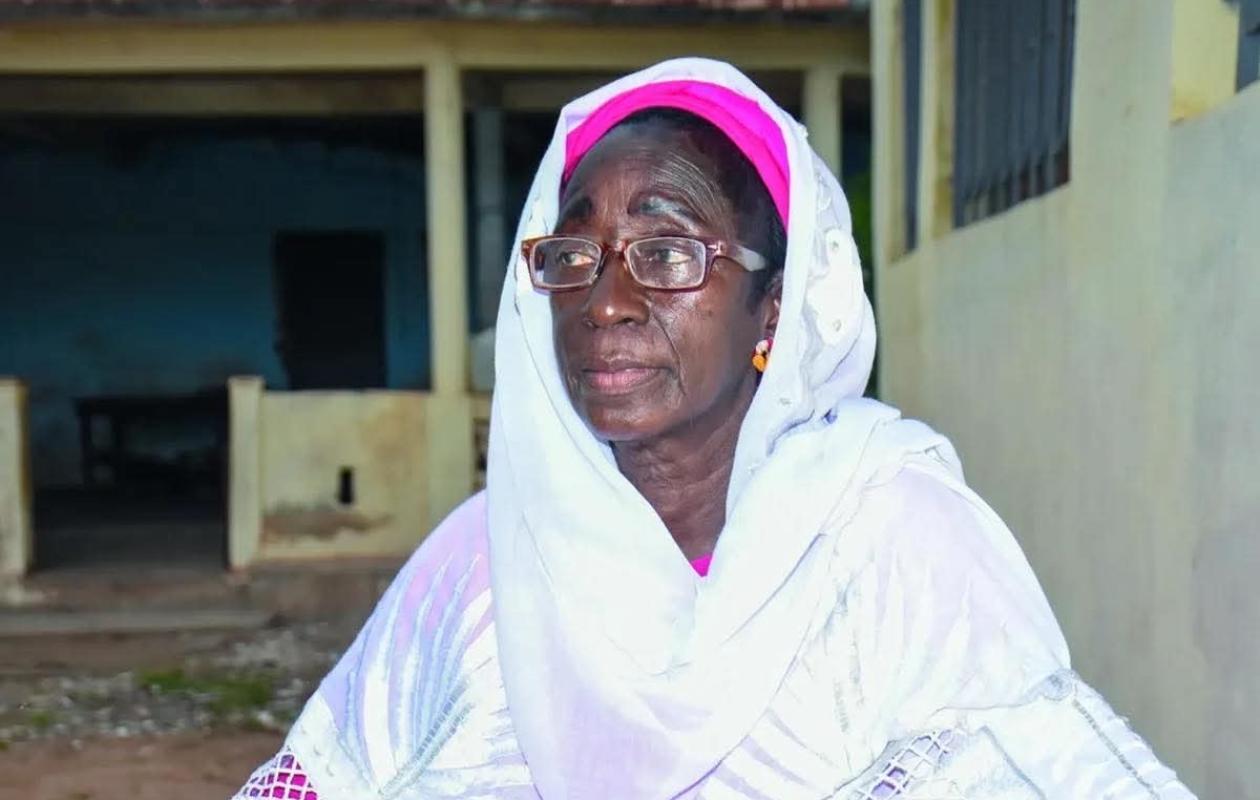
The Mansacounda and Julescounda neighborhoods, located in Boudié, south of Sédhiou, bear the imprint of the French colonial period. The former was the residence of settlers, while the latter housed workers from Fort Pinet-Laprade and trading houses. A widespread belief in Pakao attributes the origin of the name Julescounda to the missionary Frédéric Jules Laugar, who died and was buried in this neighborhood. A confusion that Aminata Rose Diallo, a local figure in Sédhiou, is trying to rectify.
A living colonial memory
Late this afternoon, the main road leading to the central market of Sédhiou is quiet. A few shops along the paved road welcome the occasional customer, while a group of young people chat over tea at the intersection between Julescounda (south) and Mansacounda, formerly called Dagorne (north). "Mansacounda, or Dagorne, was reserved for the settlers of Fort Pinet-Laprade and their relatives. Julescounda housed the workers of the Fort," Aminata Rose Diallo explained to the daily newspaper Le Soleil.
Julescounda, a district steeped in history
Stretching as far as the former village of Pacoboor, Julescounda housed a colonial military cemetery. "There were many graves. As children, we read the inscriptions on the tombstones," recalls Rose Diallo, who advocates for the preservation of colonial remains. These traces of the past, including the cemetery, bear witness to Sédhiou's colonial history, a heritage that Diallo seeks to preserve.



















Commentaires (2)
Participer à la Discussion
Règles de la communauté :
💡 Astuce : Utilisez des emojis depuis votre téléphone ou le module emoji ci-dessous. Cliquez sur GIF pour ajouter un GIF animé. Collez un lien X/Twitter, TikTok ou Instagram pour l'afficher automatiquement.