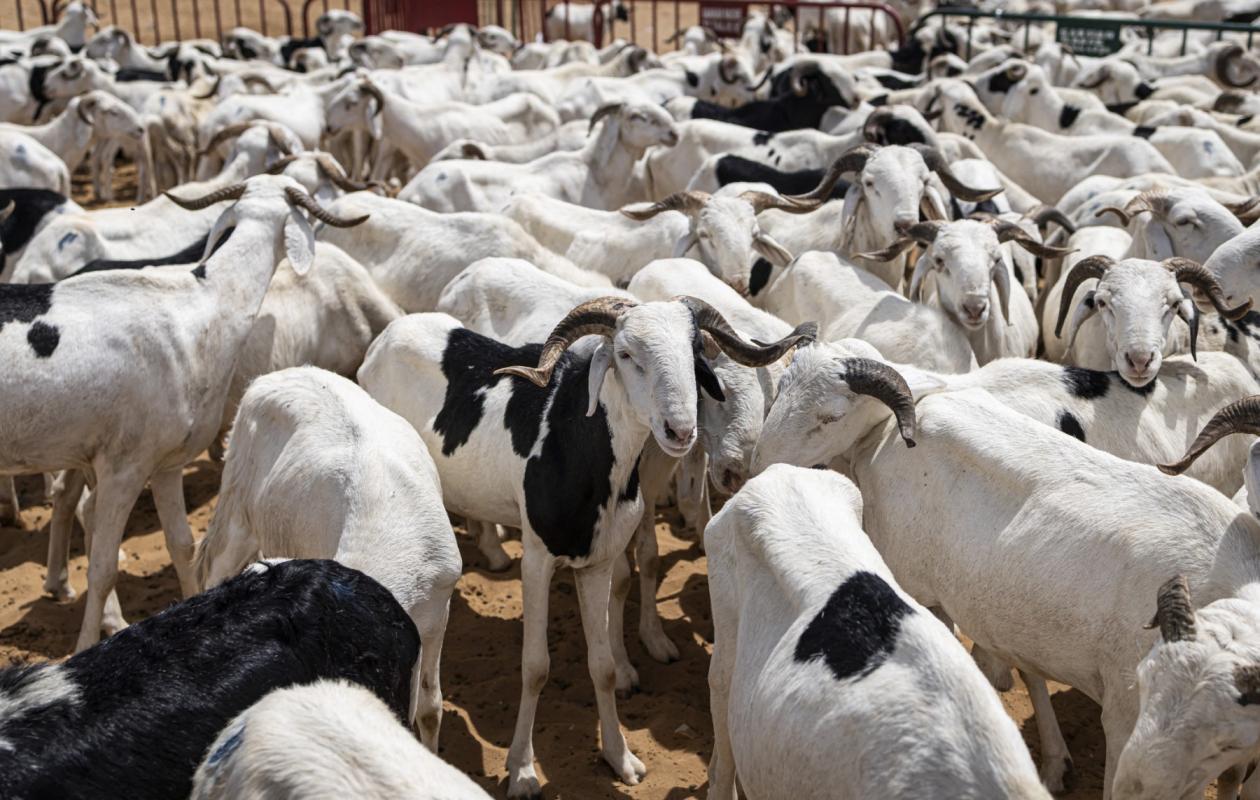
[Tabaski] "On attend les clients" : Entre blocus au Mali et spéculation, le prix du bélier atteint des sommets !
Concern is growing among the faithful. Just a stone's throw from the event, livestock markets are showing an abnormally low supply compared to last year. As a result, sheep prices have begun a dramatic surge on the national market.
The blockade imposed by jihadist groups around Bamako has become a real threat to food sovereignty for the festive season, given that "Mali and Mauritania remain the main suppliers of Tabaski sheep to Senegal." Faced with this logistical bottleneck and a worrying shortage of customers, traders are still hoping for "an improvement in the situation in the coming days."
In Soumbédioune, Mawo Sow, sitting quietly under his tent, waits desperately for customers: “This year, we don’t have enough sheep. And on top of that, the price increase is causing a drop in customers.” In his enclosure, however, he assures everyone that there’s something for every budget: “Prices range from 80,000 to 600,000 CFA francs. I sell Ladoum and Bali-Bali sheep.”
Insecurity in Mali: the bottleneck for supplies
The security crisis in Mali has severely impacted supply chains. For many vendors, supply has dwindled to the point that only a certain segment of wealthy households can afford to buy livestock. Shepherd Ablaye Fall directly blames the regional instability: “The sheep I sell cost at least 200,000 CFA francs this year. I used to offer sheep imported from Mali at affordable prices, but with the terrorist attacks plaguing Mali, I can only sell the sheep I've raised myself.”
Speculation on livestock feed: the final blow
In Sicap, the situation is the same. Customers are scarce while the prices for premium rams are approaching "1 million CFA francs." The high cost of inputs is cited as the main culprit. In Adama's pen, El Hadji Babacar Kâ, a customer who left empty-handed, criticizes the situation: "Sheep are very expensive this year. The cost of a bag of coral has gone from 13,000 to 21,000 CFA francs. Peanut straw, commonly called ngonge in Wolof, which used to cost 4,000 CFA francs, now sells for 8,000 CFA francs."
While industrial prices appear stable, livestock farmers point the finger at intermediaries. Adama Ndour, manager of the Galoya sheep farm, expresses his bewilderment: "For 15 years, I've been raising and selling sheep, but this year the soaring price of livestock feed is completely inexplicable." Nevertheless, a glimmer of hope remains, based on local consumption habits: "Senegalese people like to wait until the last minute..."
From Ouakam to Sangalkam, herders are calling on the government for help. They suggest diversifying their sources of supply to avoid "putting all their eggs in one basket" and are demanding strict price controls on livestock feed. Their warning is clear: "If this situation persists, not all households will be able to afford sheep for Tabaski."























Commentaires (8)
Participer à la Discussion
Règles de la communauté :
💡 Astuce : Utilisez des emojis depuis votre téléphone ou le module emoji ci-dessous. Cliquez sur GIF pour ajouter un GIF animé. Collez un lien X/Twitter, TikTok ou Instagram pour l'afficher automatiquement.