Transport, plateformes, certification : ces intermédiaires qui captent une part croissante de la valeur
The traditional view of the economy often places the producer at the center of wealth creation. Yet, in many sectors, production is only one part of the economic process. Between the field and the end consumer, or between a factory and an export market, lies a succession of actors who transport, finance, store, certify, distribute, insure, or connect. In some cases, value is concentrated less in the act of production itself than in the control of these strategic intermediaries.
This logic is not new, but it is taking on increasing importance in a global economy where value chains are becoming longer and more fragmented. Carriers, digital platforms, logistics operators, wholesalers, brokers, importers, certification companies, and financial intermediaries are playing an increasingly central role in the flow of goods and services.
The agricultural sector offers a particularly clear illustration of this phenomenon. Globally, a cocoa or coffee producer generally does not sell directly to the end consumer. Between the two are local collectors, exporters, international traders, processors, logistics providers, distributors, and commercial networks. Each takes a share of the added value along the way.
Ivorian cocoa offers a clear illustration of this reality. Côte d'Ivoire accounts for approximately 40% of global cocoa production. Yet, the vast majority of the final value is captured outside the producing countries. Several international estimates show that only a small portion of the final price of a chocolate bar goes to the farmers, while processing, branding, distribution, and marketing account for a far larger share of the revenue.
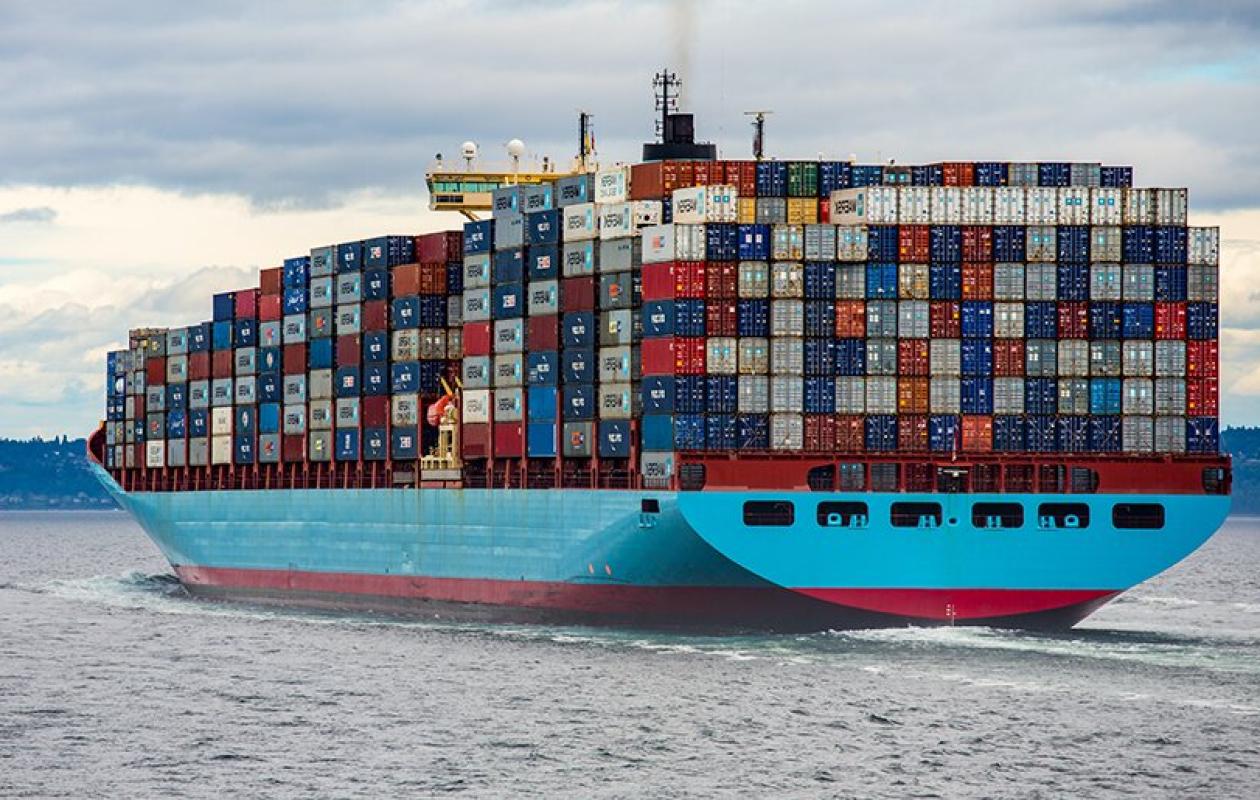
The phenomenon extends far beyond agriculture. In maritime transport, a few large groups now control a considerable share of global trade. The top ten shipping companies account for a large majority of global container shipping capacity. This concentration became dramatically apparent during the logistics crisis linked to Covid-19.
Between 2020 and 2022, Drewry's global container shipping cost index reached record highs, occasionally exceeding $10,000 on some routes, compared to less than $2,000 before the pandemic. Companies able to control logistics flows benefited from significant margins, even as producers faced supply chain disruptions and rising costs.
Digital platforms today replicate a similar logic. In e-commerce, transportation apps, and delivery services, value often stems more from the ability to orchestrate the meeting of supply and demand than from production itself. Large digital platforms generally do not manufacture the goods or services they distribute, but they control user access, data, and the infrastructure that connects them.
This evolution profoundly alters the distribution of value in several economic sectors. A company that controls distribution networks, payment systems, logistics infrastructure, or certification standards can capture a significant share of revenue without directly producing the final product.
Certifications provide another telling example of this intermediary economy. In several African agricultural and industrial sectors, accessing international markets now requires compliance with increasingly complex health, environmental, and technical standards. Inspection companies, certification bodies, and conformity verification agencies thus become essential intermediaries in value chains.
This proliferation of intermediaries creates efficiency gains in some cases, as it reduces transaction costs, improves logistics, or secures trade. However, it can also produce less favorable effects when supply chains become excessively long or concentrated around a small number of dominant players.
In West Africa, this issue takes on a particular dimension in several strategic sectors. The region's economies still export mostly minimally processed raw materials, while a significant portion of higher value-added activities remains located elsewhere in the production chains.
The issue, therefore, is not simply about the presence of intermediaries, as every modern economy needs them. It primarily raises a deeper question about where value is truly concentrated. Between producing a resource and controlling the channels that allow it to reach markets, the disparities in income and economic power can become considerable.













![[ EXCLUSIF] Escroquerie au visa : Ass Dione passe aux aveux, le montant du préjudice dévoilé](https://image.seneweb.com/content/news/2026-21-21//thumb_1260x800_6a0e4fa45e2f9_JtdXe63zlf.jpg)










Commentaires (0)
Participer à la Discussion
Règles de la communauté :
💡 Astuce : Utilisez des emojis depuis votre téléphone ou le module emoji ci-dessous. Cliquez sur GIF pour ajouter un GIF animé. Collez un lien X/Twitter, TikTok ou Instagram pour l'afficher automatiquement.