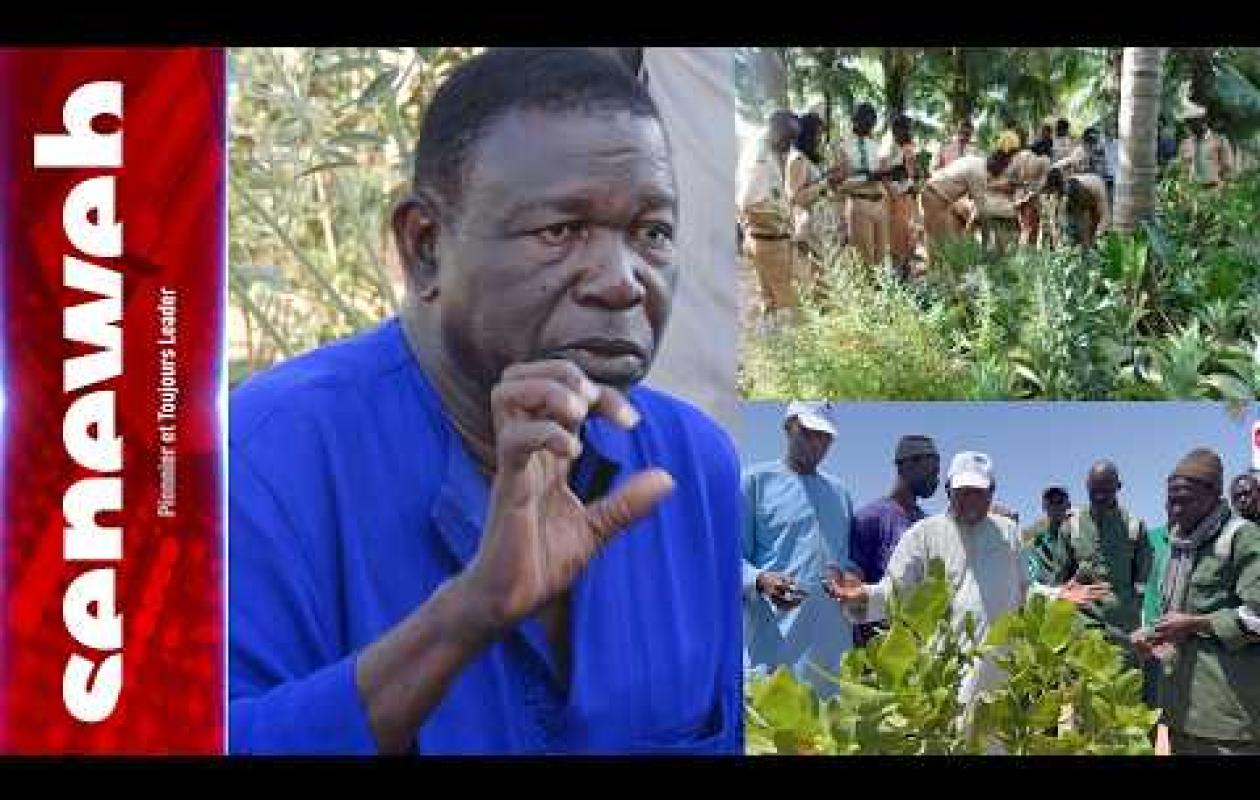
Changements climatiques : 6 millions d'euros pour sauver les écosystèmes de Fatick et Kaffrine !
Faced with the growing effects of climate change, strengthening community resilience has become a top priority for preserving ecosystems and securing livelihoods. The RIPOSTES project (Resilience and Reforestation for the Safeguarding of Territories and Ecosystems), co-financed with €6 million by the European Union and the FAO, is part of this dynamic. Deployed between May 2021 and January 2026, it focuses its efforts on the Fatick and Kaffrine regions.
The objective is clear: to restore ecosystems and promote sustainable agricultural practices in silvopastoral areas and the peanut basin. While several localities have shown notable successes, the project nevertheless notes disparities in the execution of work across different areas.
Local involvement: "The foundation of development"
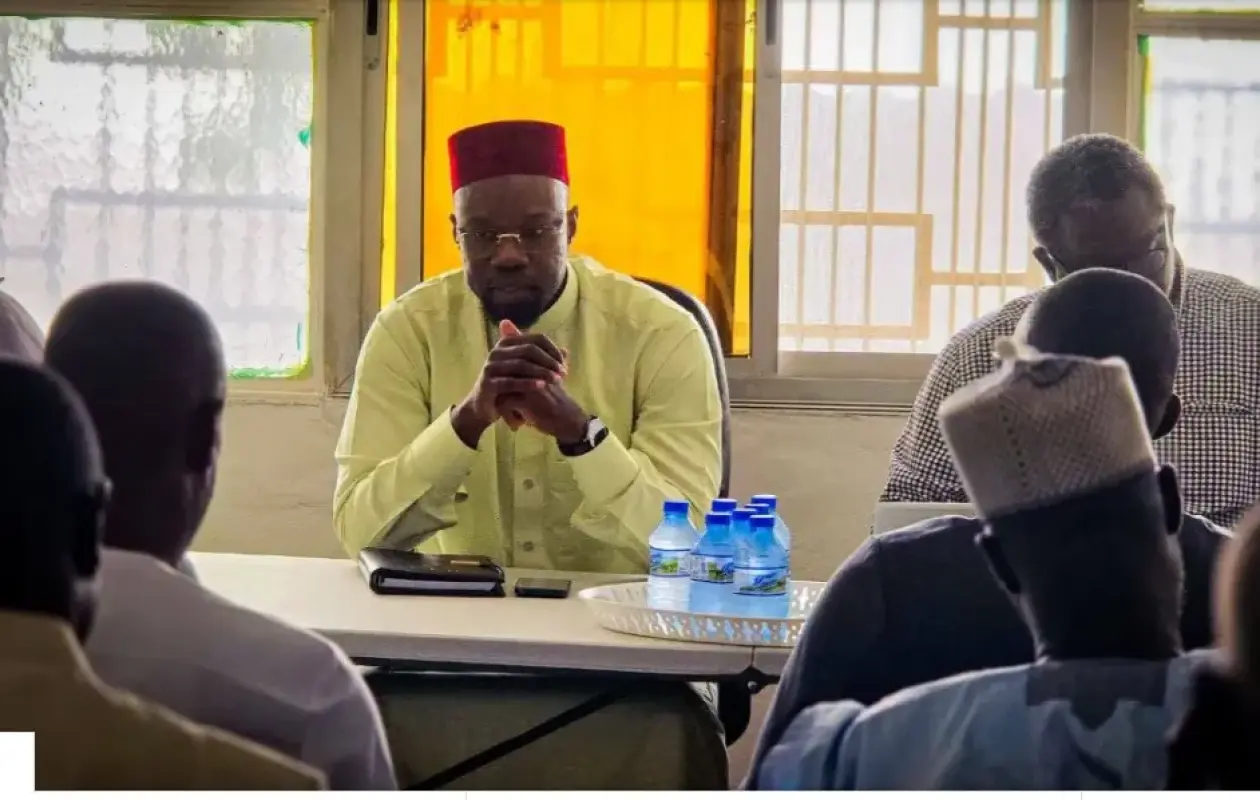
During a joint visit by the Technical Committee and the Steering Committee, Gora Ndiaye, president of the Jardin d'Afrique association and director of the Kaydara farm school, praised the commitment of local stakeholders. "My first source of satisfaction is the involvement of local communities and administrative authorities. This is the foundation of development," he stated.
However, the expert was keen to issue a warning against dependence on external funding. For him, the sustainability of the action begins precisely when subsidies cease: "Development is us. It must be endogenous."
A new generation of agri-entrepreneurs on trial
The RIPOSTES project also focuses on training. Ten young people were trained in agroecology in Kaydara before being settled on secure plots of land in Ndiob and Niakhar. Each beneficiary received one hectare of land (secured by local agreement), six months of training, and comprehensive technical support to develop their plant and animal resources.
Having become true ambassadors of agroecology, these young people are creating local value. Nevertheless, a major obstacle remains: access to water. In Missirah Wadenne, for example, the high cost of water bills is paralyzing some market gardening activities, jeopardizing the profitability of farms.
Reforestation and ownership: the keys to sustainability
Regarding reforestation, Gora Ndiaye advocates a family and community approach rather than large public plantations, which are often neglected due to a lack of follow-up. For him, trees are a strategic ally in regulating the microclimate and combating erosion.
In conclusion to this tour, the central message remains ownership: the success of RIPOSTES will depend on the ability of local communities to sustain these initiatives themselves over the long term. "Development will not come from elsewhere," Mr. Ndiaye reminded everyone, emphasizing that only local mobilization can build the resilience needed to withstand the vagaries of climate change.




















Commentaires (1)
Participer à la Discussion
Règles de la communauté :
💡 Astuce : Utilisez des emojis depuis votre téléphone ou le module emoji ci-dessous. Cliquez sur GIF pour ajouter un GIF animé. Collez un lien X/Twitter, TikTok ou Instagram pour l'afficher automatiquement.