Microfinance au Sénégal, la réforme qui veut faire passer le secteur dans une nouvelle catégorie
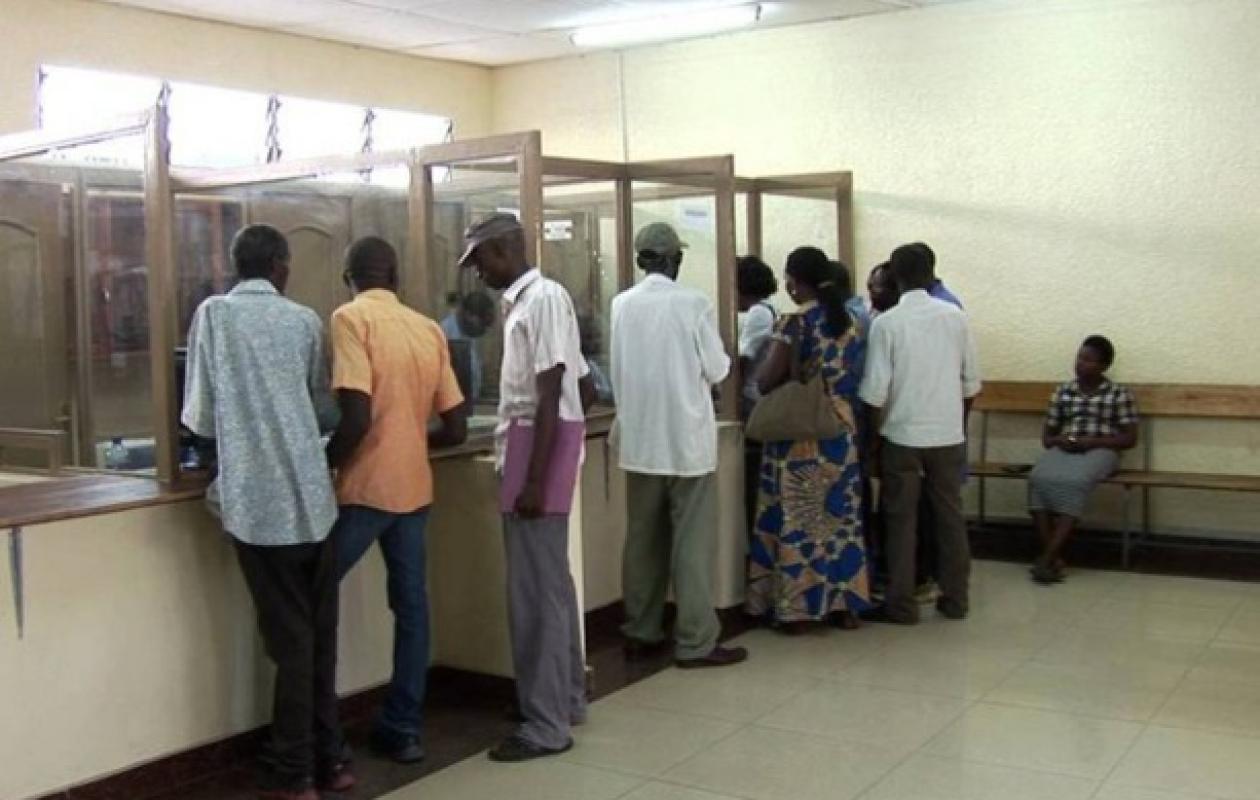
Senegalese microfinance is no longer a marginal segment of the financial system. It collects savings from households often far removed from traditional banks, and finances traders, artisans, farmers, women's groups, and a portion of small urban and rural businesses. This proximity explains its economic importance, but it also justifies more demanding oversight, especially in a context where digital financial services are accelerating volumes, risks, and customer expectations.
Law No. 2025-04 of February 19, 2025, regulating microfinance, published in the Official Gazette on March 25, 2025, transposes into Senegal the new uniform law adopted within the West African Economic and Monetary Union (WAEMU). It replaces the former framework of Decentralized Financial Systems and now officially designates them as Microfinance Institutions. This change in terminology is not merely formal, as it reflects a desire to bring these actors closer to the requirements applicable to financial institutions fully integrated into the economy.
The sector has already reached a size that makes this reform difficult to treat as a simple legal adjustment. In the WAEMU, microfinance institutions served 19.1 million clients at the end of December 2024, through 4,761 service points, according to the BCEAO. The sector's outstanding loans represented 7.3% of those of credit institutions in the Union, a level still lower than that of banks but significant enough to raise concerns about stability and depositor protection.
In Senegal, consolidated sector data also shows a surge in activity. Deposits at microfinance institutions reached approximately 579 billion FCFA in 2024, compared to 545 billion FCFA in 2023, representing an increase of just over 6%. However, non-performing loans also increased, reaching 56 billion FCFA in 2024 compared to 38 billion FCFA the previous year, according to sector data published by the Directorate of Regulation and Supervision. This deterioration in the loan portfolio partly explains the adoption of a stricter framework for governance and risk management.
The new law thus comes at a time when microfinance holds a dual promise: to broaden financial inclusion and to finance economic actors that banks still insufficiently serve. However, as the amounts raised and loaned increase, weaknesses in governance, internal control, and transparency become more apparent. A poorly supervised microfinance institution not only jeopardizes its own balance sheet, but also weakens the savings of often low-income clients, for whom a lost deposit can represent several months of income.
The text thus strengthens the requirements applicable to managers, directors, and oversight bodies. Criteria of integrity, competence, and accountability are more clearly defined, while rules regarding confidentiality, conflicts of interest, and term limits are clarified. In a sector historically characterized by mutual, cooperative, or associative structures, this professionalization aims to reduce the risks associated with overly informal or personalized management of institutions.
The reform also introduces supervision that is more proportionate to the size and risks of institutions. This approach is important because not all institutions have the same profile. A small, local microfinance institution (MFI) does not carry the same risks as a large network collecting tens of billions of CFA francs in savings. By tailoring supervision to size, activities, and risk exposure, the regulator seeks to avoid a one-size-fits-all rule that would be too burdensome for small institutions and insufficient for larger ones.
Digital technology adds another layer of complexity. Microfinance no longer operates solely through physical branches or credit books. Mobile payments, partnerships with fintechs, digital repayments, and remote financial services are transforming industry practices. These innovations broaden access to services, but they also increase operational risks, fraud risks, data protection issues, and cybersecurity requirements.
The protection of clients and depositors is therefore central to the new system. Microfinance institutions must better inform their clients, increase the transparency of their pricing conditions, and improve the management of risks associated with the products they offer. In a market where some users have limited financial literacy, the clarity of fees, rates, penalties, and contractual obligations becomes an economic as well as a social imperative.
This reform, however, does not resolve all the sector's difficulties. MFIs' access to long-term resources remains limited, refinancing costs remain high, and technical capabilities vary considerably from one institution to another. Some institutions will need to invest in their information systems, compliance, oversight bodies, and staff training, which could impact their short-term profitability.
The other point of concern relates to the implementing regulations. A law may set an objective, but its actual impact depends on the decrees, instructions, and oversight mechanisms that will define its implementation. The professional association for the sector had already warned in 2025 about the need for these implementing decrees, a sign that the reform will only be fully effective if institutions quickly have a clear operational framework.
Senegalese microfinance is thus entering a more demanding phase. The sector must continue to finance small economic actors and strengthen financial inclusion, while embracing higher standards of governance, transparency, and risk management. This evolution can consolidate the confidence of clients and financial partners, provided that professionalization does not lead to the exclusion of small entities or an excessive increase in service costs.
























Commentaires (1)
Participer à la Discussion
Règles de la communauté :
💡 Astuce : Utilisez des emojis depuis votre téléphone ou le module emoji ci-dessous. Cliquez sur GIF pour ajouter un GIF animé. Collez un lien X/Twitter, TikTok ou Instagram pour l'afficher automatiquement.