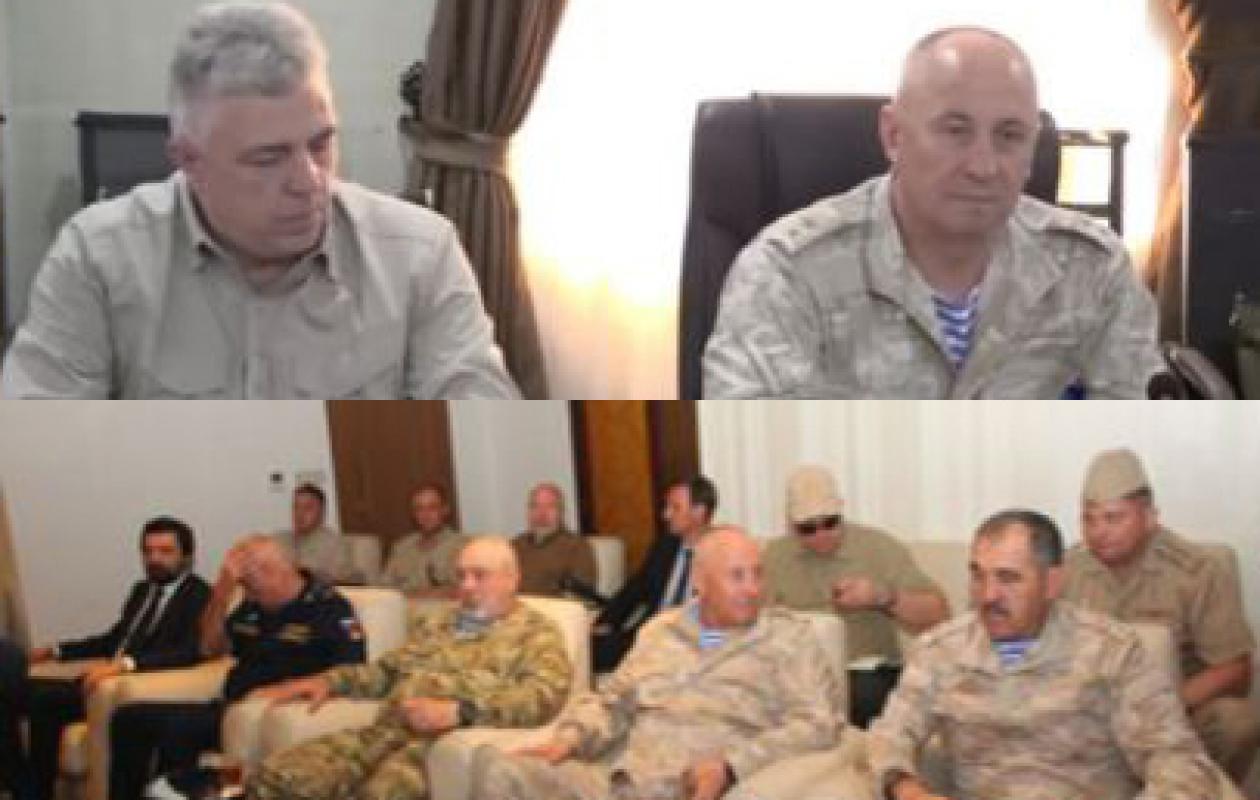
Les deux visages de l’Africa Corps au Sahel : qui sont Andreï Averianov et Alekseï Orekhov ?
The withdrawal of the Africa Corps from Kidal last April represents a major setback for this force in Mali. Captured in 2023 and presented as the symbol of a new offensive against terrorism in the Sahel, the Kidal base nevertheless embodied the security ambitions of the Russian-Malian partnership.
Some time later, its abandonment was perceived by several Malian officials as a true "betrayal." Beyond the military failure, this episode brought to light the shadowy areas and strategic interests of Moscow on the African continent.
Following the dismantling of the Wagner Group, the Kremlin restructured its presence in the Sahel around the Africa Corps. Officially, Moscow presents this new force as a more stable, structured, and effective partnership than Wagner. Training, logistical support, intelligence, and operational coordination: the Africa Corps is marketed as the new tool capable of sustainably strengthening the Malian army's capabilities.
But on the ground, the reality appears quite different. Where Wagner engaged in direct offensive actions, the Africa Corps adopted a much more cautious approach. Russian forces provided guidance, advice, and protection for certain strategic sites, while the Malian Armed Forces (FAMa) remained on the front lines and carried out the bulk of the fighting against armed groups.
This change in doctrine follows a clear logic: to preserve Russian influence in the Sahel without incurring the human and political cost of a war of attrition. The Africa Corps thus becomes less a combat force and more an instrument of geopolitical entrenchment at the service of the Kremlin.
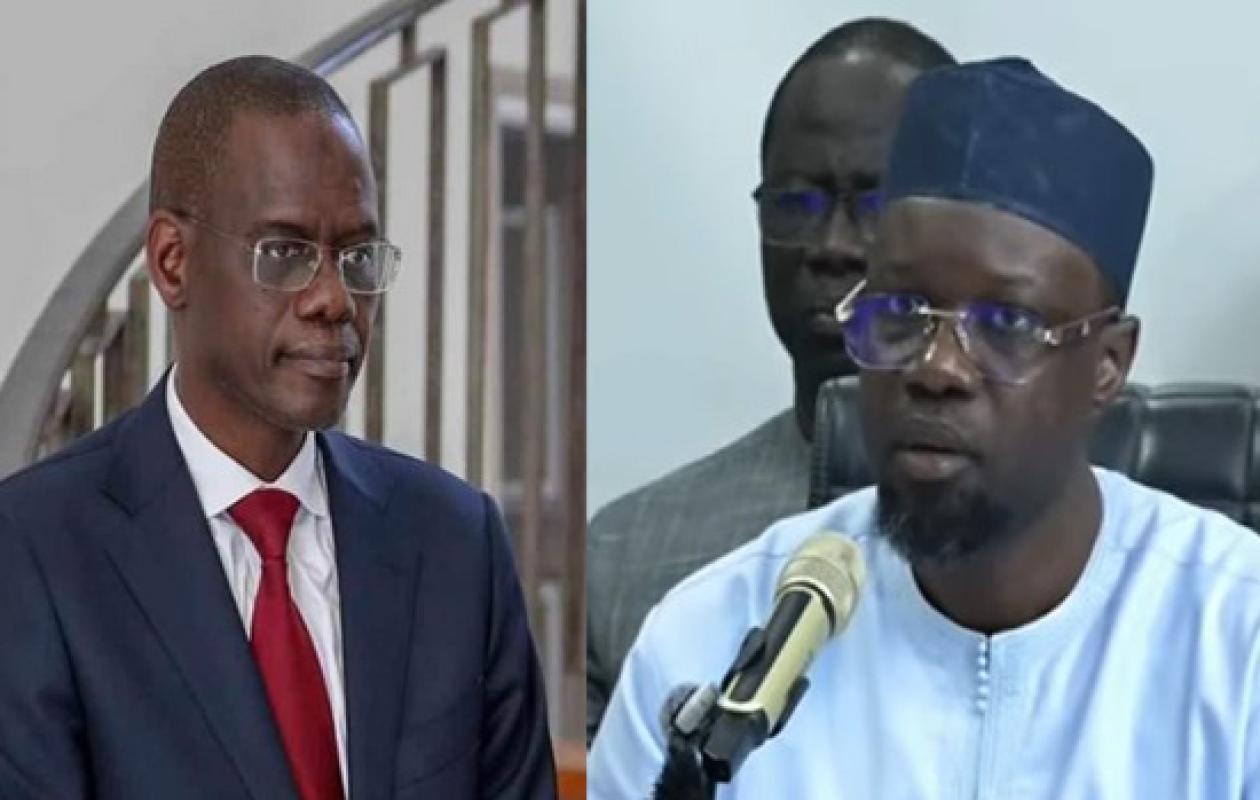
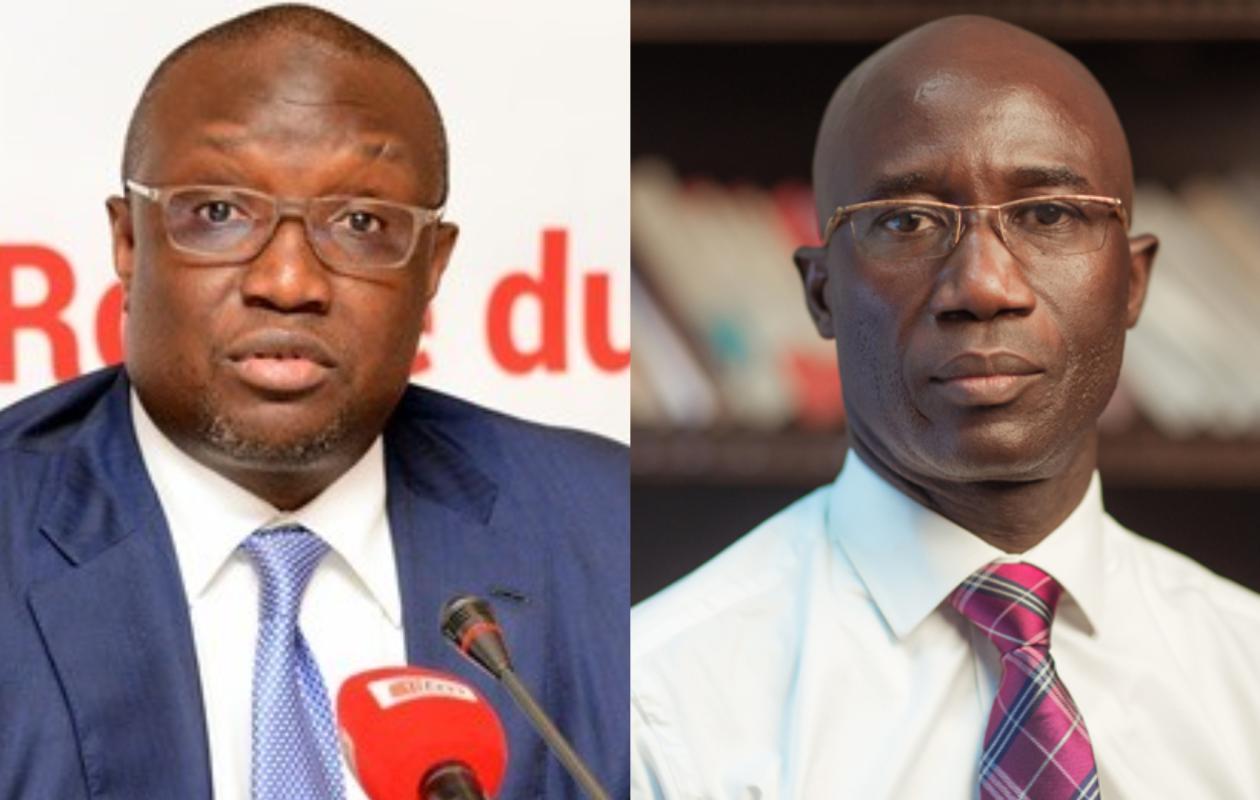
Behind this reorganization are two men: Andrei Averianov and Aleksei Orekhov, two key figures in Africa, whose secret diplomacy has gradually been taken over by the Kremlin.
Averianov and Orekhov: the two faces of Russia in Africa
This hybrid strategy is based on a tandem that now embodies Russian ambivalence on the continent.
General Andrei Averianov: Director of Special Operations for Russian Military Intelligence (GRU), he discreetly oversees the Kremlin's security expansion in Africa as commander of the Africa Corps. A veteran of clandestine operations, he represents the opaque dimension of the Africa Corps and notably heads a Russian delegation contributing to its deployment since 2023.
Major General Aleksei Orekhov : he embodies the diplomatic façade of the Russian project, as head of the Main Directorate for International Military Cooperation (GUMVS) within the Ministry of Defense of the Russian Federation. Long remaining in the shadows, Aleksei Orekhov nevertheless participated in more than ten Russian delegations tasked with deploying the Africa Corps in Africa.
led either by Deputy Minister Yunus-Bek Evkurov or by General Andrei Averianov. His first documented appearance within this delegation dates back to the summer of 2023. During that year, Aleksei Orekhov systematically sought to conceal his presence by wearing a cap and sunglasses, but his features and imposing stature made him easily identifiable.
Since 2024, his presence has been much less concealed: he appears alongside Deputy Minister Evkurov at much more formal signings of cooperation agreements with various African countries. In the summer of 2025, a few weeks before assuming his new position as head of military cooperation at the Russian Ministry of Defense, he accompanies a new delegation to Mali and Niger, headed by Averianov.
Today, Aleksei Orekhov embodies the normalization of the Russian presence in Africa: an influence now openly acknowledged and directly controlled by the Kremlin. Along with Andrei Averianov, he symbolizes Moscow's new approach in the Sahel: to present an official military partnership while maintaining the opaque methods and indirect influence inherited from Wagner.
The Africa Corps thus appears as a two-faced tool: visible in its rhetoric, opaque in its practices. Yet, its recent debacle against Malian terrorists weakens its position and threatens the future of security in Mali.
Mali confronts the true face of Africa Corps: what future for the Russian partnership?
The attacks of April 2026 exposed the limitations of the Africa Corps in Mali. Despite an ostensibly massive deployment, the Russian contingent primarily demonstrated its vulnerability to offensives by the CSP-D (ex-FLA) and JNIM, favoring negotiated withdrawals to protect its troops rather than decisive action on the ground.
This new reality highlights a change in doctrine that Moscow can no longer hide and raises serious questions about the future of the military partnership with Bamako.








Commentaires (0)
Participer à la Discussion
Règles de la communauté :
💡 Astuce : Utilisez des emojis depuis votre téléphone ou le module emoji ci-dessous. Cliquez sur GIF pour ajouter un GIF animé. Collez un lien X/Twitter, TikTok ou Instagram pour l'afficher automatiquement.