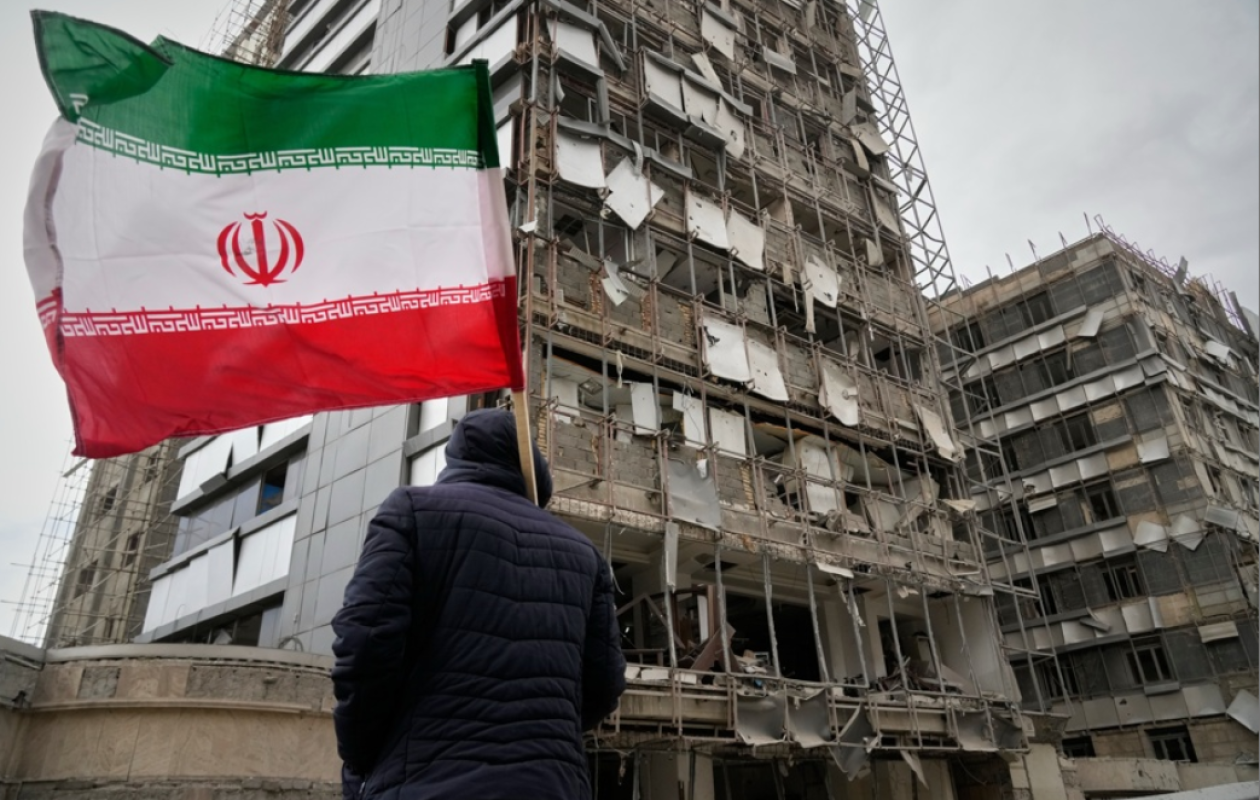
L’Afrique face aux dynamiques iraniennes
In 2026, Iran and Iraq, two countries that tore each other apart for eight years (1980-1988) in a deadly war, find themselves side by side in an unexpected geopolitical alliance: resistance to American influence following joint US-Israeli bombings of Iranian sites. This rapprochement, sealed by years of tension with the United States, raises questions: how did historical enemies come to form a common front? And above all, what can African countries, torn between external pressures and their own ambitions, gain from it?
Iraq: A battleground of rivalries
Since the fall of Saddam Hussein in 2003, Iraq has been a state under dual influence: that of Iran, through Shiite militias and political parties, and that of the United States, through its military presence and economic agreements. However, since 2024, Baghdad has clearly chosen to no longer be a pawn, but an active participant. Under pressure from pro-Iranian militias (such as Kataib Hezbollah) and after years of reciprocal strikes, the United States began withdrawing its troops from Iraq in 2025, a process scheduled to be completed in 2026. Repeated attacks against American bases, claimed by groups supported by Tehran, accelerated this decision. Iraq, dependent on Iranian gas and trade with its neighbor, refuses to comply with American sanctions against Tehran. Iraqi political parties, predominantly Shiite, maintain close ties with Iran, despite American pressure. In the context of the military aggression carried out jointly by the United States and Israel against Iran, the Kurdistan Regional Government declared that: "Iraq will not be a springboard for attacks against Iran," demonstrating Iraq's policy of non-alignment and open support for Tehran.
Iran: Resist at all costs
Iran, weakened by years of sanctions, a brief war with Israel in 2025, and internal protests, has nonetheless held firm. Its alliance with Iraq is now vital. Through Baghdad, Iran exports its oil and circumvents the American embargo. In 2025, Iran's non-oil exports to Iraq and Saudi Arabia reached $12.5 billion, despite the sanctions. Iraqi militias, such as the Popular Mobilization Forces (PMF), also serve as conduits for the transfer of weapons and money. Faced with American and Israeli strikes, Iran relies on its proxies: the Houthis in Yemen, Hezbollah in Lebanon, and the militias in Iraq, to wear down its enemies without direct engagement. Iran is turning to the BRICS, China, and even Saudi Arabia (with whom it re-established relations in 2023) to de-dollarize its trade and find allies outside the American orbit.
Africa facing Iranian dynamics
This Iranian-Iraqi repositioning, often presented as a model of resistance, is, like for many African countries, facing complex strategic choices.
Iran and Iraq, despite their rapprochement, remain states weakened by decades of conflict, sanctions, and internal instability. In Africa, initiatives such as the Alliance of Sahel States (Mali, Burkina Faso, Niger) or the rapprochement with Russia follow a similar logic, creating dependence on Moscow, which is isolated on the international stage, exposing these countries to major economic and security risks. Russia, engaged in a war in Ukraine and burdened by international sanctions, offers few guarantees of stability or long-term development.
Similarly, Moscow and Beijing support Tehran, but their involvement remains calculated and limited. China, for example, criticized the US strikes planned for 2025, without providing significant military or economic support to Iran. In Africa, Russia and China act similarly: they promise partnerships "without conditions," but deliver few concrete results. Agreements signed with Moscow often lead to the arrival of mercenaries (such as the Africa Corps, formerly Wagner), increased debt, and security dependence, without any real transfer of technology or lasting investment.
For Africa, the lesson is clear: autonomy requires refusing to be a pawn of the new powers.


![[EXCLUSIF] Diodio de "Baabel" arrêtée avec de la cocaïne et des objets sexuels : comment une vidéo virale a poussé le procureur Saliou Dicko à actionner la BR de Keur Massar](https://image.seneweb.com/content/news/2026-25-17//thumb_1260x800_6a31e625b77ed_Ghfor4Ome2.jpg)










Commentaires (6)
Participer à la Discussion
Règles de la communauté :
💡 Astuce : Utilisez des emojis depuis votre téléphone ou le module emoji ci-dessous. Cliquez sur GIF pour ajouter un GIF animé. Collez un lien X/Twitter, TikTok ou Instagram pour l'afficher automatiquement.