Blanchiment, terrorisme, flux illicites : le rôle du GIABA dans la région
When a country seeks to attract foreign investors, develop its banking sector, or access international financial markets under favorable conditions, economic indicators are not the only factors considered. Investors, correspondent banks, international financial institutions, and rating agencies are also interested in a country's capacity to combat money laundering, financial crime, and the financing of terrorism. In West Africa, this monitoring and evaluation task is entrusted to the Intergovernmental Action Group against Money Laundering in West Africa, better known by its acronym GIABA.
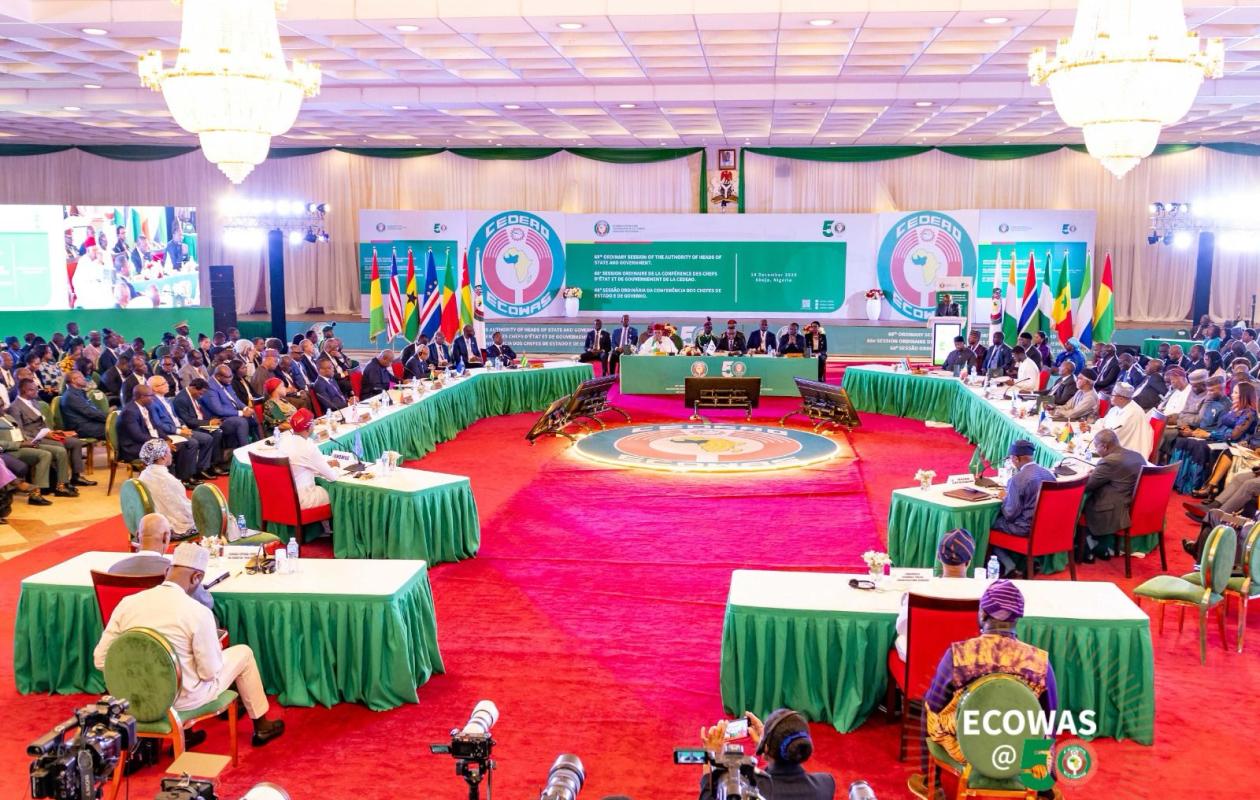
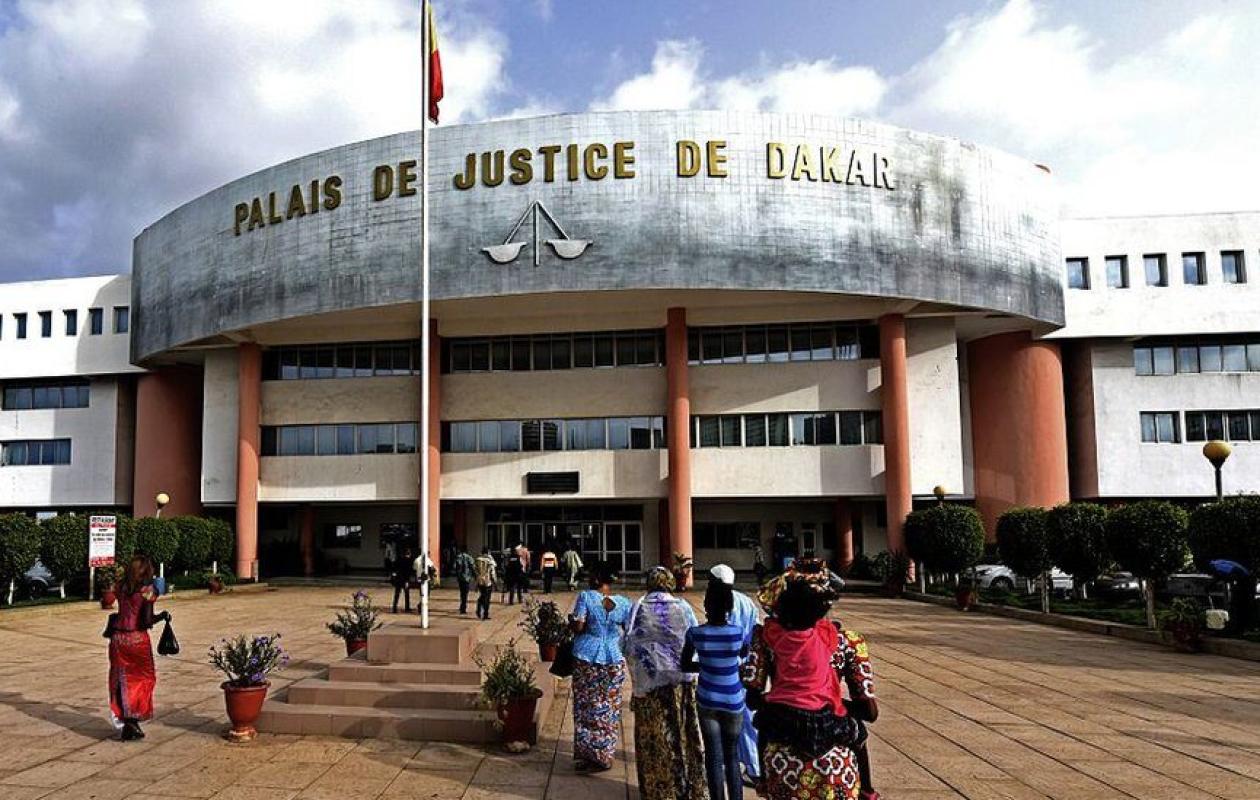
Established in December 2000 by the Heads of State and Government of ECOWAS, GIABA is the specialized agency responsible for coordinating the fight against money laundering and terrorist financing in West Africa. Its headquarters are located in Dakar, making Senegal one of the regional hubs of this financial oversight framework.
The existence of such an institution addresses a concern that has become major in global finance over the past twenty-five years. Illicit financial flows, money laundering schemes, transnational corruption, drug trafficking, tax evasion, and the financing of armed groups can weaken economies, destabilize financial institutions, and damage a country's image in the eyes of investors.
According to estimates from the United Nations Conference on Trade and Development (UNCTAD), the United Nations Economic Commission for Africa, and the African Union, illicit financial flows deprive the continent of tens of billions of dollars each year. Estimates vary depending on the methodologies used, but the figures frequently exceed $80 billion annually. These funds escape national tax systems, reduce public revenues, and complicate development financing.
In this context, GIABA acts as the regional equivalent of the Financial Action Task Force (FATF), the Paris-based international body that sets global standards for combating money laundering and terrorist financing. The fifteen ECOWAS member states and the Union of the Comoros are members of GIABA.
Its best-known mission is to regularly assess national systems for combating financial crime. These assessments are closely followed by banks, investors, and international institutions, as they allow them to measure the degree to which countries comply with international standards.
The analysis doesn't focus solely on the existence of laws or regulations. GIABA teams also examine the practical effectiveness of the mechanisms in place. Are financial investigations successful? Do the judicial authorities have the necessary resources? Do banks correctly identify suspicious transactions? Are the national financial intelligence units functioning effectively? These are the elements that allow for an assessment of the system's true robustness.
The consequences of these assessments can be significant. When a country is deemed insufficiently prepared to address the risks of money laundering or terrorist financing, it may be subject to increased international scrutiny. Such a situation can complicate relations with certain foreign banks, increase the costs of international transactions, and sometimes reduce investor appetite.
The example of Senegal illustrates the importance of these mechanisms. In October 2021, the FATF placed the country on its so-called "grey list," which includes jurisdictions subject to increased monitoring in the fight against money laundering and terrorist financing. This decision prompted a strong mobilization of Senegalese authorities, the BCEAO (Central Bank of West African States), the banking sector, and regulatory institutions to strengthen existing systems.
The efforts undertaken enabled Senegal to officially be removed from this list in February 2024 after the reforms were validated. This development was seen as a positive signal for investors and the country's financial partners. It also demonstrates that international assessments have a tangible impact on public policy.
GIABA plays a similar role at the regional level. Its reports are studied by development banks, rating agencies, multilateral institutions, and private actors who wish to measure the risks associated with certain markets.
This function has become increasingly important with the development of digital financial services. West Africa is now among the most dynamic regions on the continent in terms of mobile payments. According to the Central Bank of West African States (BCEAO), electronic money transactions now amount to tens of trillions of CFA francs annually in the West African Economic and Monetary Union (WAEMU). This expansion promotes financial inclusion but also necessitates strengthening control mechanisms to prevent the use of digital systems for criminal purposes.
The financing of terrorism is another growing concern. Several West African countries face major security challenges that have led authorities to strengthen the monitoring of financial flows that could fund armed groups. GIABA's work is directly aligned with this preventative approach.
The institution also conducts training and technical assistance activities for national government departments, financial intelligence units, magistrates, economic police services, and financial institutions. This dimension is essential because the effectiveness of a system depends as much on the quality of the legislation as on the capabilities of those responsible for implementing it.
GIABA's role therefore extends far beyond simply combating financial crime. In a globalized economy where capital flows rapidly from one country to another, financial reputation has become a valuable economic asset. A jurisdiction perceived as insufficiently secure may see its financing costs increase, its international transactions become more complex, and its attractiveness diminish.
Conversely, a robust anti-money laundering framework helps strengthen investor confidence and facilitate the integration of West African economies into global financial systems. It is in this context that GIABA now occupies an increasingly strategic position within the institutional architecture of ECOWAS. A significant portion of West Africa's financial credibility on the international stage hinges on its assessments and recommendations.


















Commentaires (0)
Participer à la Discussion
Règles de la communauté
💡 Astuce : Utilisez des emojis depuis votre téléphone ou le module emoji ci-dessous. Cliquez sur GIF pour ajouter un GIF animé. Collez un lien X/Twitter, TikTok ou Instagram pour l'afficher automatiquement.
Se connecter
Commentez avec votre profil, votre photo, et soyez averti des réponses.