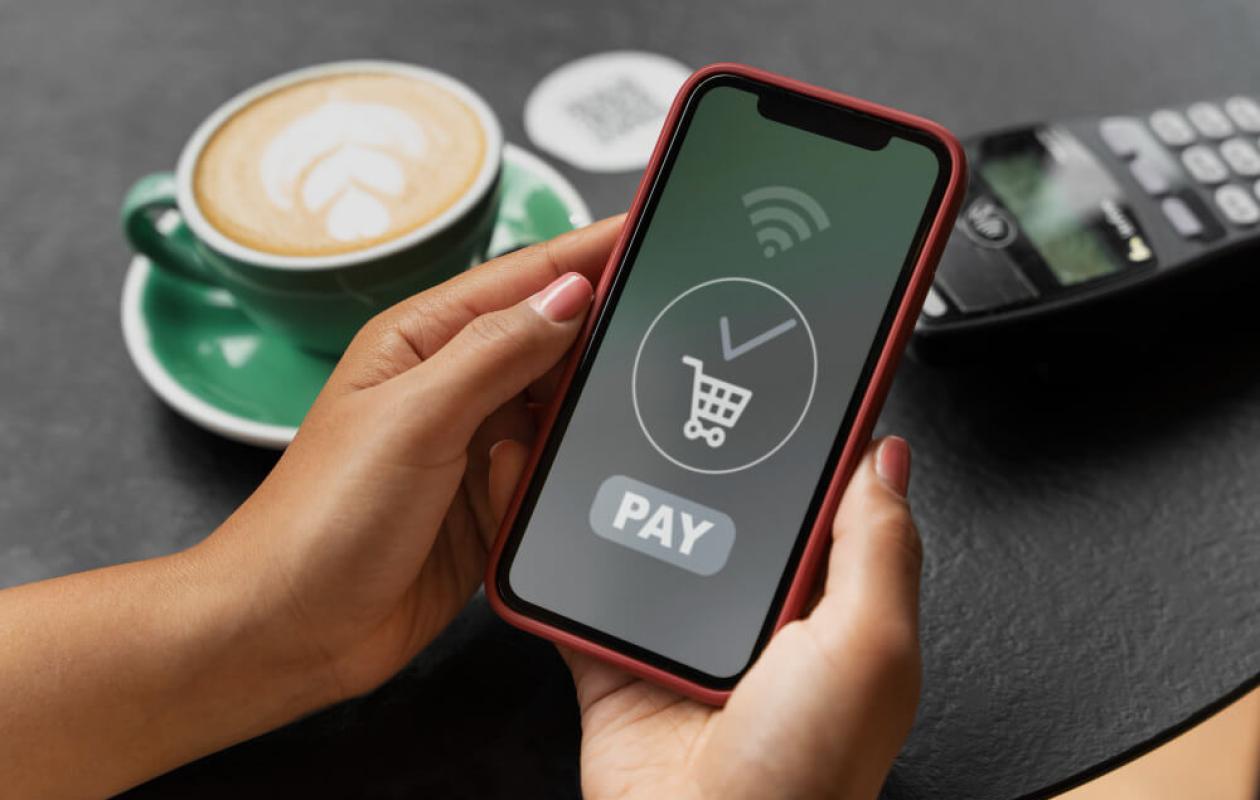
Derrière chaque transaction, un enjeu de pouvoir : la bataille pour les rails du paiement
Paying for a coffee with a bank card, transferring money via mobile money, or settling a bill through an app seems like a simple, everyday action. Yet, behind this seemingly mundane gesture lies a much more strategic issue. The choice of payment system determines who collects the fees, who owns the data, who controls the flow of money, and ultimately, who wields a share of economic power.
Payment is not just a technical service. It is an infrastructure of sovereignty. Whoever controls the transaction rails also controls a part of the trade.
For a long time, international cards like Visa and Mastercard dominated formal payments in much of the world. Each transaction generates fees, but also creates a technological and strategic dependency. When a country doesn't control its clearing system or payment network, a significant portion of its economic life relies on external infrastructure.
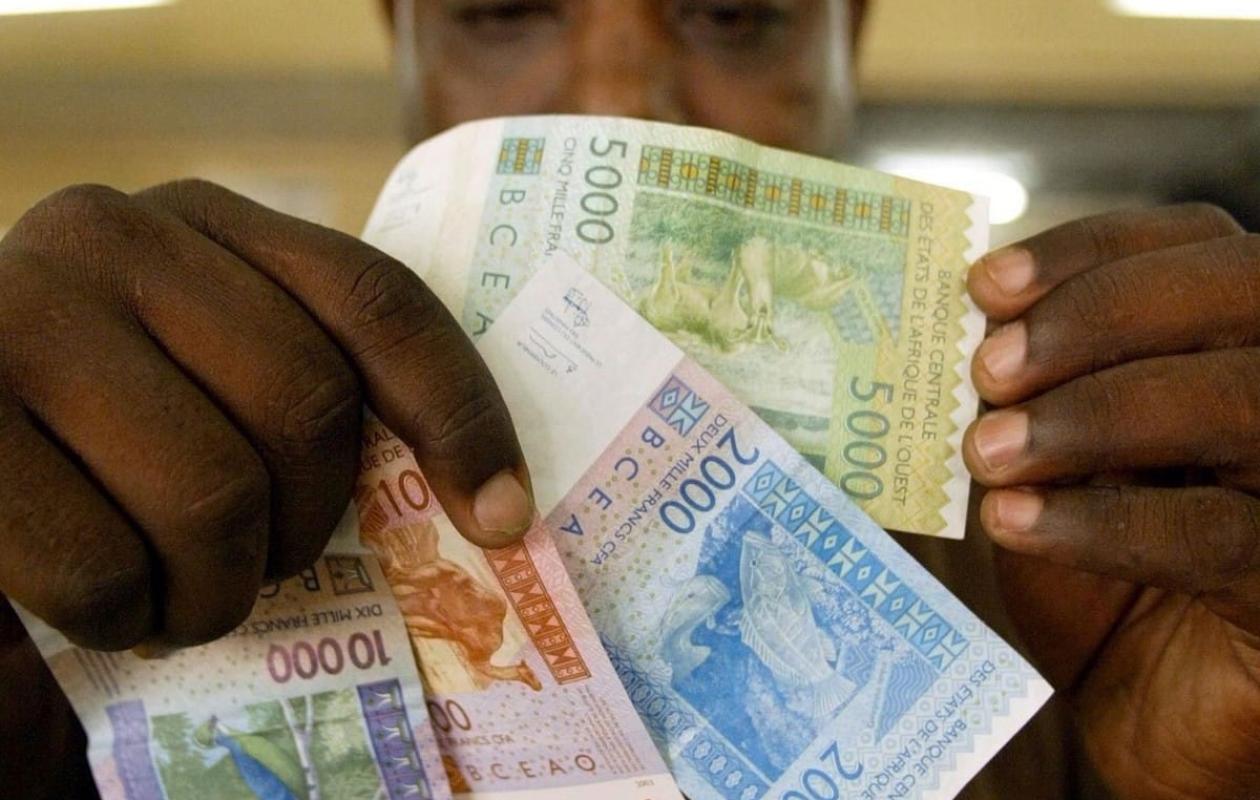
In West Africa, mobile money has profoundly altered this balance. Operators like Orange Money, Wave, and MTN Mobile Money have transformed access to financial services, sometimes faster than traditional banks. In Senegal, mobile money now represents a major share of everyday transactions, far beyond simple peer-to-peer transfers.
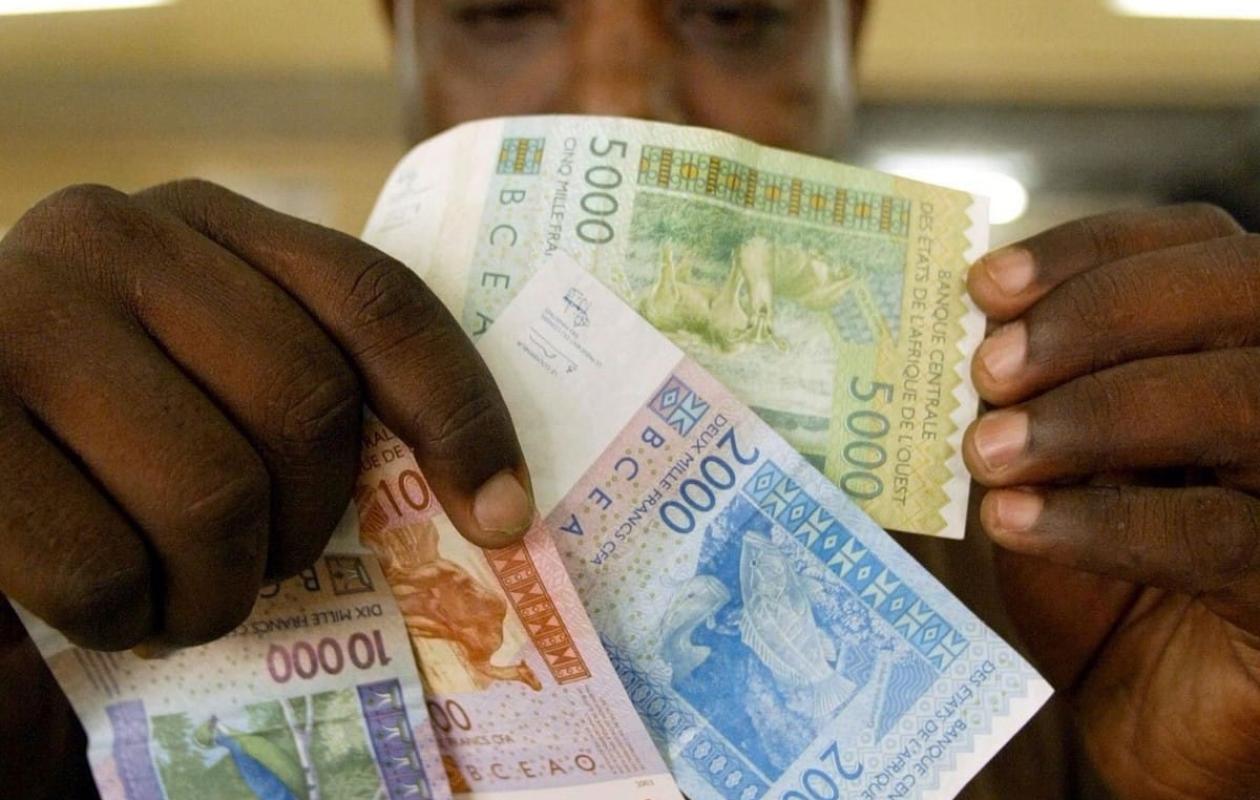
According to the BCEAO, the WAEMU had over 120 million electronic money accounts in 2023, with tens of trillions of CFA francs in annual transactions. This growth has strengthened financial inclusion, but it has also shifted the center of gravity of payments towards private actors, often telecoms companies, whose economic influence is becoming considerable.
The question then becomes political. Who oversees these flows? Who can suspend a service? Where is the data stored? Who sets the fees? In an economy where a large part of the exchanges takes place through a few platforms, these questions go far beyond simple financial innovation.
Central banks are observing this development closely. For example, the BCEAO is developing regional payment systems to strengthen interoperability and reduce dependence on external networks. The Automated Interbank Clearing System and regional integration projects aim precisely to maintain a degree of sovereignty within the WAEMU region.
The pan-African PAPSS project, led by the African Export-Import Bank, follows the same logic. Its objective is to enable cross-border payments between African countries without systematically relying on the dollar or traditional international banking channels. Even today, payments between two African countries often pass through correspondent banks located outside the continent, which lengthens processing times and increases costs.
Central bank digital currencies add a new dimension to this competition. Several countries are already exploring these mechanisms to maintain monetary control in the face of the rise of private payments and crypto-assets. Digital currency is thus becoming a matter of monetary policy as much as financial modernization.
Behind the bank card, the QR code, or the mobile wallet, there is therefore a real war of standards. It pits banks, telecom operators, fintechs, central banks, and major international platforms against each other.
What is at stake is not just the way of paying, but control of the infrastructure that circulates the money.








![[EXCLUSIF] Expulsion de la famille Srour : L'accusée Khady Diagne se prononce, documents à l'appui](https://image.seneweb.com/content/news/2026-20-14//thumb_1260x800_6a05cc2715573_a9nMMiStMC.jpg)











Commentaires (0)
Participer à la Discussion
Règles de la communauté :
💡 Astuce : Utilisez des emojis depuis votre téléphone ou le module emoji ci-dessous. Cliquez sur GIF pour ajouter un GIF animé. Collez un lien X/Twitter, TikTok ou Instagram pour l'afficher automatiquement.