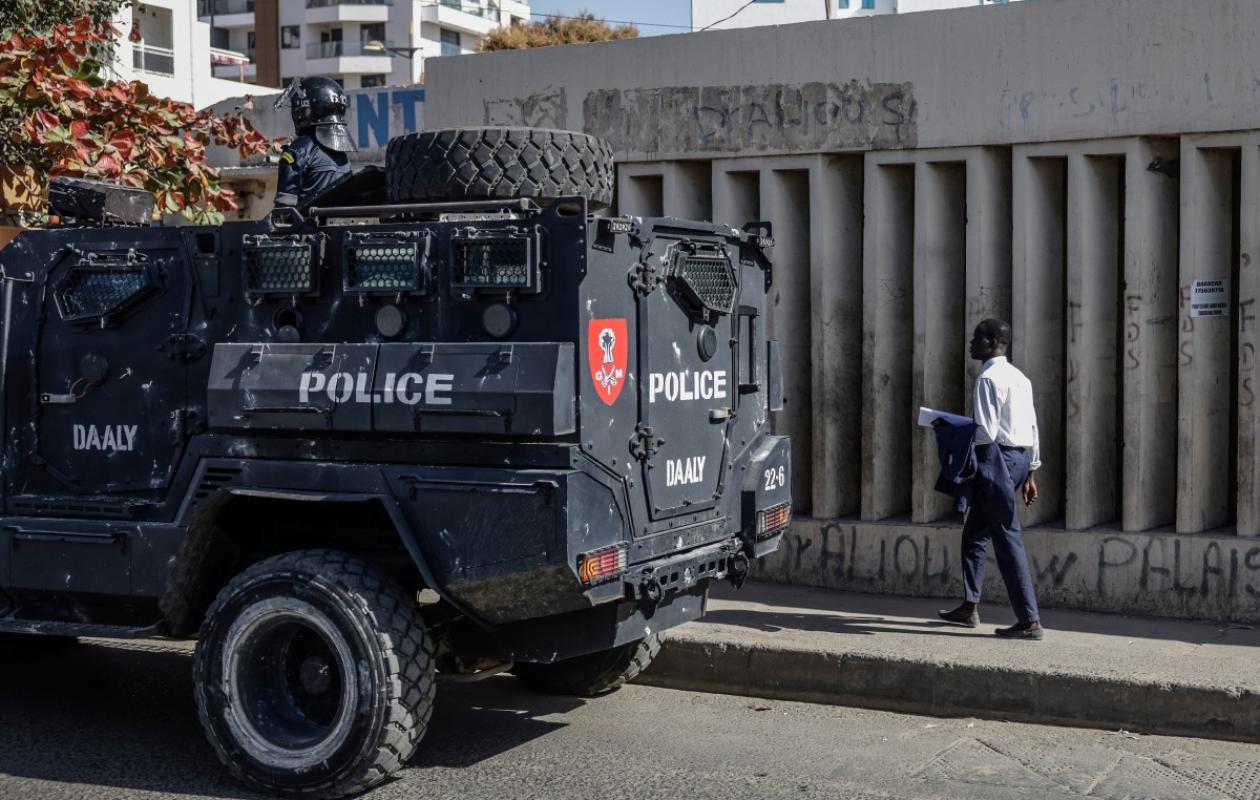
Campus social : Cité universitaire ou camp militaire ?
The University Social Services Center of Dakar (COUD) has published a notice announcing several measures during the month of Ramadan. COUD prohibits "the introduction, possession, storage, and use of gas cylinders within the university residence halls." Similarly, students are strictly forbidden "from cooking or preparing any meals inside the residence halls."
Finally, a last measure requires prior authorization from the administration before any donation of ndogou (the meal to break the fast) from outside the university. In the memo, the Coud (University Center for Student Services) justifies these decisions by citing "the preservation of the safety of people and property, as well as the maintenance of order and hygiene on university campuses during the Ramadan period."
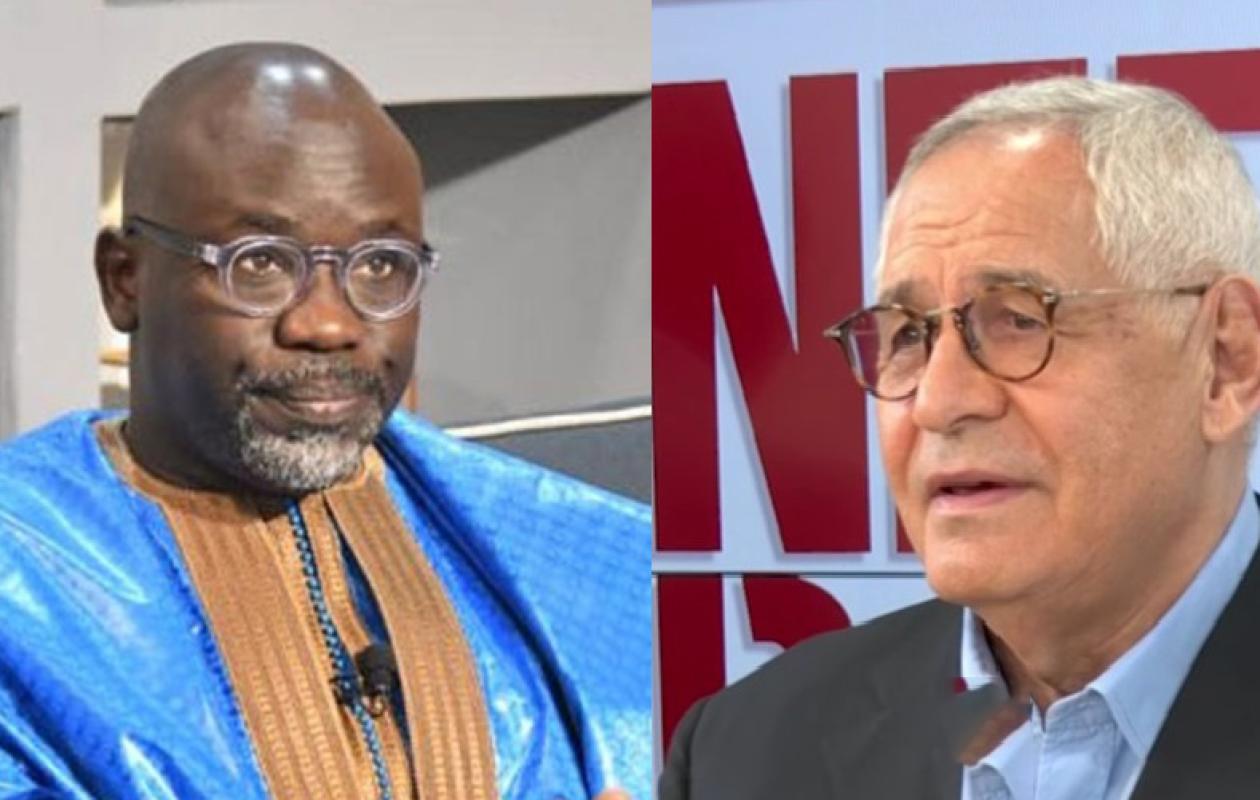
Thus, through these measures, Ndéné Mbodji, Director of the Coud, is significantly restricting the freedom and living conditions of students on campus. In light of these drastic decisions, one can legitimately question whether the student residence is a university campus or a military camp.
Why would possessing and using a gas canister in student residences be a problem? For decades, students have used this method in their rooms without any major incidents known to the public. And even if an accident were to occur, that wouldn't be a sufficient pretext: this type of incident can happen in any neighborhood.
The quality of university meals in question
The most surprising measure, related to the first, is the ban on cooking. Students living in the Coud residence hall are therefore not allowed to prepare their own meals in their rooms. This may seem difficult to grasp. It then becomes necessary to ask a simple question, which masks a more complex reality: why do students feel the need to cook when university restaurants are accessible and financially affordable?
Why would a reasonable citizen forgo a 100 CFA franc meal to eat elsewhere at 600 or 1000 CFA francs, six to ten times more expensive? This cannot seriously be attributed to a mere whim. The problem lies rather in the quality of the meals served in university restaurants. Those who have frequented the Dakar campus know the situation. If the meals provided by the university cafeteria (Coud) truly met the needs and expectations of students, they wouldn't feel the need to cook.
Ndéné Mbodj and the 2006 strike
Cheikh Anta Diop University (Ucad) experienced a long strike in 2006, which resulted in a forceful intervention by law enforcement on campus on Friday, February 17, 2006. The main demand concerned the quality of food in university restaurants.
The situation deteriorated when a student discovered an earthworm in his dish at an Argentinian restaurant. The Coud's storage facilities were emptied and their contents exposed: spoiled fish, crates of meat stamped "buffalo meat".
Among the leaders of this strike was Ndéné Mbodji, then a student representative, now the Director of the Coud (University Social Services Center). He is therefore well-positioned to know why students who can afford it are turning their backs on university restaurants to go to "Mother Thiaba's" or other restaurants.
In fact, those who have lived on campus know that student representatives are often the first to avoid university restaurants. The subsidies they receive from the Coud or other entities allow them to skip the university's junk food and treat themselves to a meal elsewhere.
At one time, students would even leave the main campus to eat at the École Normale, in search of better quality food. If they had been able to afford a good meal in the private restaurants, they wouldn't have traveled such a distance.
We still remember that kiosk located next to the Coud administration building where one could read: "Faculty of Soow, Thiakiri Department". Very often, students preferred to exchange a 150 CFA franc ticket there for some curdled milk and thiakiri, rather than going to the university restaurant.
There's no need to treat students like children.
All of this shows that cooking is not a luxury for students. It's a necessity, but also a freedom. The practice of offering ndogou (the meal to share) is part of this dynamic. It's common throughout Dakar, not just on campus. If requiring prior authorization is actually intended to prohibit it, it would be counterproductive and generate negative publicity.
After all, these ndogous can be held on Cheikh Anta Diop Avenue, on the Corniche, in the corridor of death or on the Claudel road.
The campus authorities are contradictory on this point. To justify the police intervention, the Prime Minister, along with the Ministers of the Interior and Higher Education, asserted that the student residence is a neighborhood like any other in the capital. However, in other neighborhoods, residents cook freely and the traditional iftar meals (ndogous) take place without prior authorization.
Certainly, the campus has its specific characteristics. But we shouldn't adopt a reasoning that varies according to the circumstances.
It is both possible and desirable to reform higher education and to provide more structure to campus life. However, this must not lead to excess or abuse of authority.















Commentaires (35)
Participer à la Discussion
Règles de la communauté :
💡 Astuce : Utilisez des emojis depuis votre téléphone ou le module emoji ci-dessous. Cliquez sur GIF pour ajouter un GIF animé. Collez un lien X/Twitter, TikTok ou Instagram pour l'afficher automatiquement.