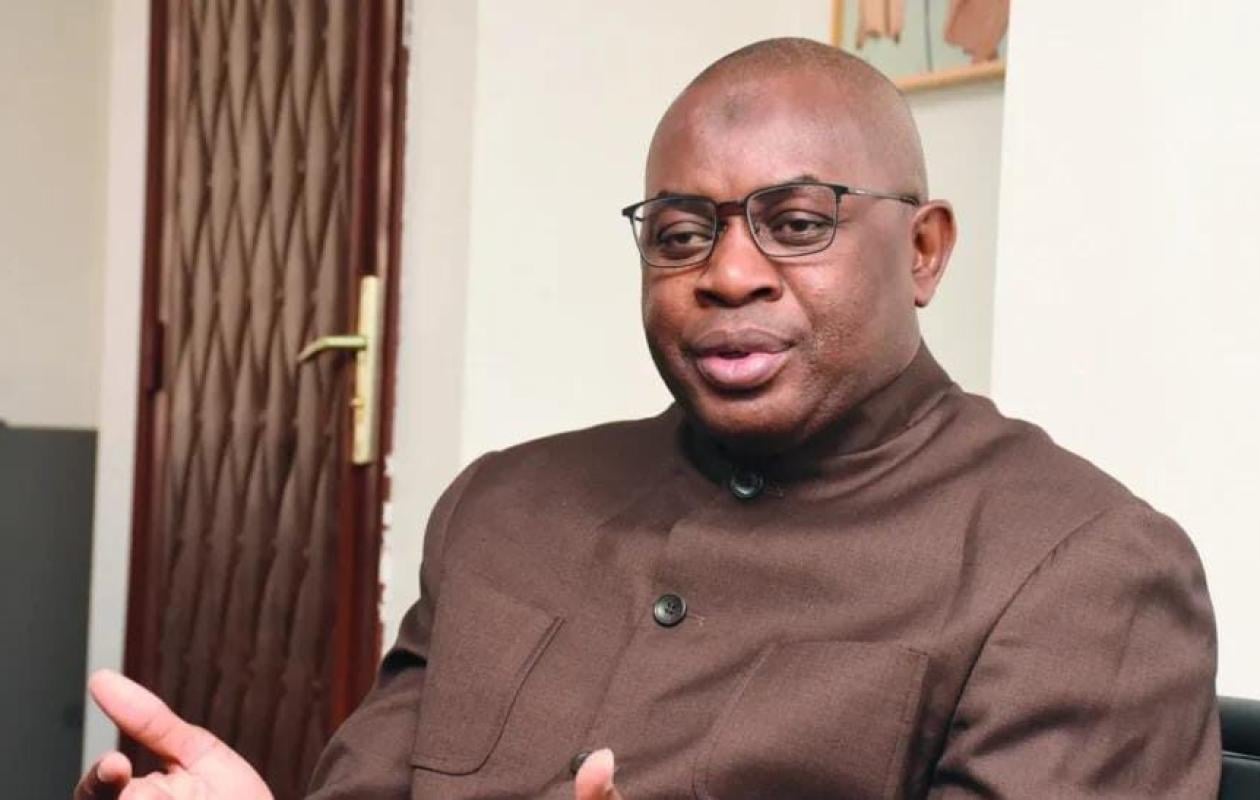
Grève dans l’éducation : Le G7 récuse le président du Haut conseil du dialogue social et dénonce une “dérive autoritaire”
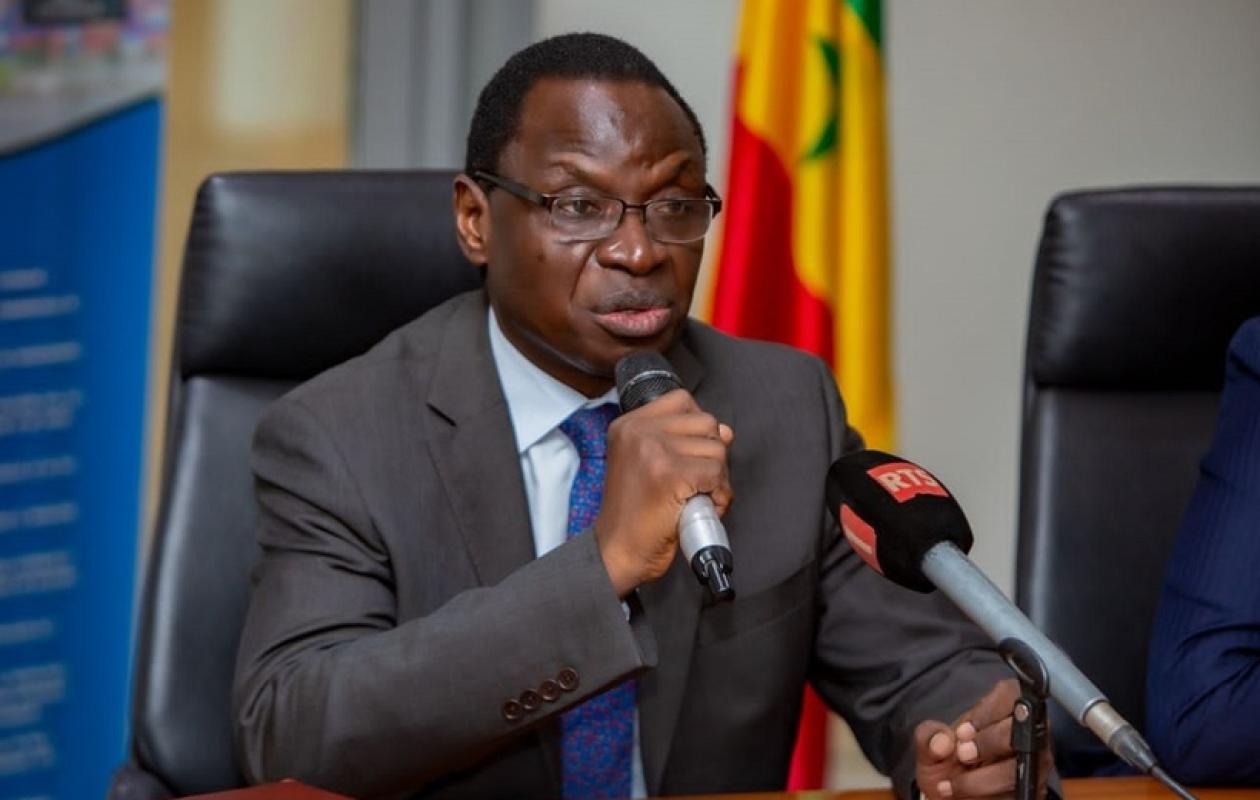
Tensions have escalated between the Group of Representative Unions in the Education and Training Sector (G7) and the president of the High Council for Social Dialogue (HCDS). In a statement released on January 28 in Dakar, the G7 directly attacked Mr. Dianté, accusing him of overstepping his role as mediator and adopting a "partisan" stance marked by "provocation" and "intimidation."
The G7 sparked this strong reaction with remarks attributed to the president of the HCDS (High Council for Social Dialogue), who claimed that "any strike in January is illegal." The G7 described this statement as "without legal basis" and argued that it aims to delegitimize the ongoing social movements in sensitive sectors such as education and healthcare. The trade union group went further, denouncing these as "calls for repression," which it deemed incompatible with the HCDS's mediation mission.
For the G7, this media appearance illustrates a "political and manipulative management of social dialogue." The unions also recall Mr. Dianté's career, notably mentioning "the breakup of the Grand cadre in 2015," which they present as a precedent revealing a lack of consistency and integrity. Consequently, the G7 announces the exclusion of the HCDS president from its "official communication channels."
In its statement, the G7 makes three major grievances against the president of the HCDS: a "lack of legal competence" to rule on the legality of a strike, a "breach of trust" which makes him an interlocutor deemed not credible and a disconnect with "the reality on the ground", the HCDS being accused of attacking workers rather than highlighting the State's failures to meet its commitments.
Despite this tense climate, the G7 commends the "exemplary determination" of teachers engaged in the struggle to "resolve the social issues." It calls on all staff to remain "vigilant and mobilized," urging rank and file to ignore what it considers "attempts at diversion" emanating from "an unworthy authority seeking prestige and relevance."
This latest clash illustrates the persistent tension in social dialogue in the education sector, where union demands continue to encounter profound disagreements with the authorities, against a backdrop of growing distrust towards mediation bodies.
![[EXCLUSIF] Actes contre nature : L'homme politique Ndiaga Seck arrêté par la DIC](https://image.seneweb.com/content/news/2026-20-15//thumb_1260x800_6a0726d812df9_nxDd5CNBzl.jpg)








Commentaires (7)
Vous allez manger vos cacas
L'Etat est confronté à des difficultés financières avec un service de la dette (intérêts et principal) de 5.497 milliards en 2026 pour des prévisions de recettes qui ne dépassent pas 4.000 milliards. Payer les salaires des agents de l'Etat et faire fonctionner les services relèvent de l'exploit dans ces conditions. Comment donc poser sur la table des revendications à incidence financière ? Ces revendications ne seront tout simplement satisfaites et les syndicats qui apparemment ne comprennent rien de la situation économique et financière du pays risquent de paralyser les systèmes sanitaire et éducatif au grand dam des citoyens usagers. L'Etat mis dos au mur n'aura d'autre choix que de se braquer et aller à la confrontation.
A L'IMPOSSIBLE NUL N'EST TENU.
DIEU SAUVE LE SENEGAL
Participer à la Discussion
Règles de la communauté :
💡 Astuce : Utilisez des emojis depuis votre téléphone ou le module emoji ci-dessous. Cliquez sur GIF pour ajouter un GIF animé. Collez un lien X/Twitter, TikTok ou Instagram pour l'afficher automatiquement.