SunuChampions: L’État veut des champions, mais étouffe ceux qui existent déjà
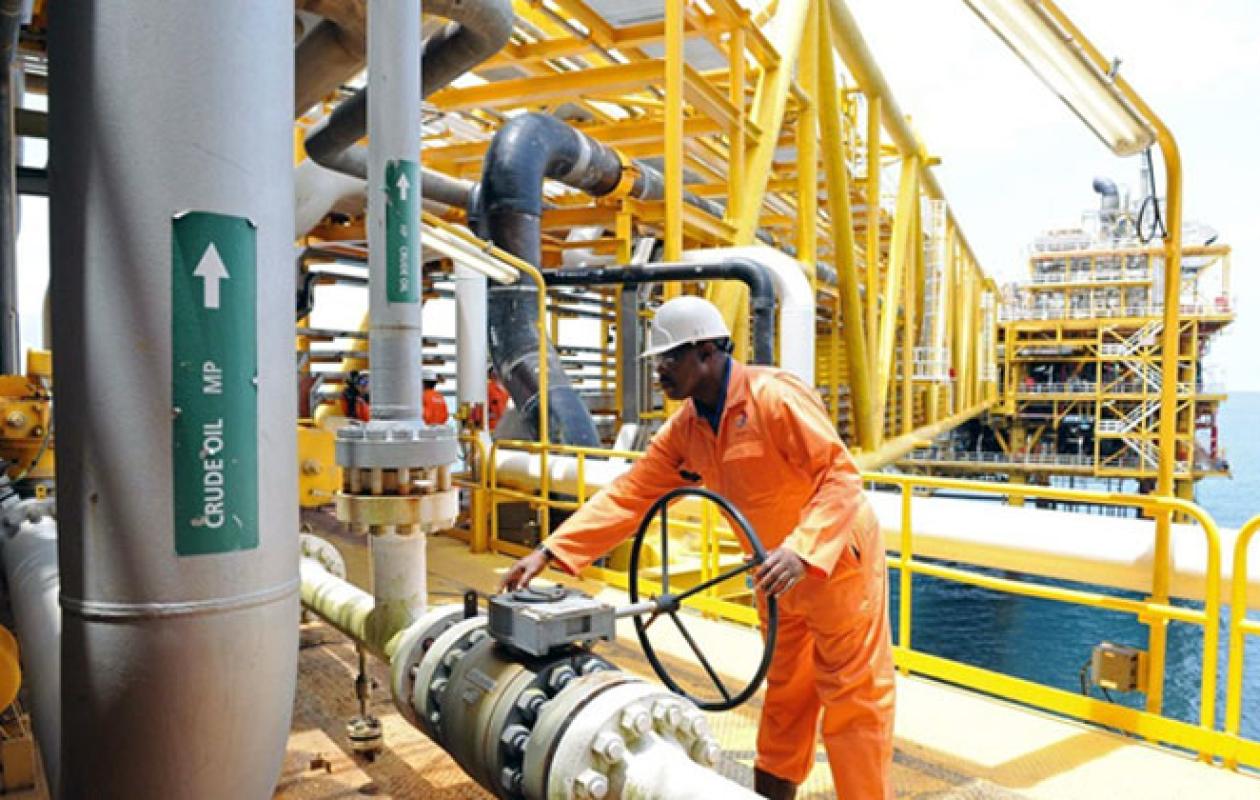
On April 28, 2026, President Diomaye Faye inaugurated the SunuChampions Strategic Council at the Presidential Palace, tasked with fostering the emergence of Senegal's future economic champions. The program is ambitious. The country is producing its first barrels of oil from Sangomar, and gas from GTA is beginning to flow. It needs a strong private sector to transform this revenue into sustainable development. No one disputes this. But in the energy sector, which should inherently embody this ambition, the events of recent months tell a very different story.
This isn't just a case. It's a trend. Since the current regime came to power, the Senegalese energy sector has been sending contradictory signals, from rhetoric of openness to the private sector to actions on the ground. This situation deserves to be examined in its entirety.
When the state reclaims what the private sector has built
West African Energy is the most recent example. This 360 MW power plant project at Cap des Biches was initiated and financed by Senegalese private investors, a first on the continent. On April 25, 2026, Senelec finalized the acquisition of 100% of the shares, increasing its stake from 15% to full ownership. The official justification: to ensure the plant's commissioning. The pattern, however, is now well-established: the private sector takes the risk, builds, and develops the asset. The state intervenes at the point of development.
When the State blocks what it claims to want to encourage
The case of Touba Oil SAU in the Mbao industrial zone illustrates a third, perhaps most revealing, logic. For nearly four years, the company has been building a marine terminal and a gas pipeline. This infrastructure will allow it to accommodate butane tankers of 10,000 to 20,000 tons, compared to 4,000 tons today. This represents massive economies of scale, directly impacting the price of gas cylinders for Senegalese households. The project is being financed entirely without public subsidies. After years of land disputes and failed mediation attempts, SAR, the riparian landowner who neither conceived nor financed the project, filed a lawsuit against Touba Oil for illegal occupation of its land, thus blocking the work through legal means. Touba Oil responded with a counter-suit. The hearing is scheduled for May 12, 2026.
It is in this context that SunuChampions takes on its full significance. The initiative aims to select 15 national private companies to become the driving forces of the Senegalese economy. The ambition is legitimate. But any entrepreneur in the energy sector who reads these announcements carefully is entitled to ask a simple question: if I invest, if I take the risk, if I build—who guarantees that tomorrow the State won't become my competitor, my forced shareholder, or my legal adversary? Senegal already has champions. Some just need to be allowed to work.




![[EXCLUSIF] Expulsion de la famille Srour : L'accusée Khady Diagne se prononce, documents à l'appui](https://image.seneweb.com/content/news/2026-20-14//thumb_1260x800_6a05cc2715573_a9nMMiStMC.jpg)











Commentaires (3)
Participer à la Discussion
Règles de la communauté :
💡 Astuce : Utilisez des emojis depuis votre téléphone ou le module emoji ci-dessous. Cliquez sur GIF pour ajouter un GIF animé. Collez un lien X/Twitter, TikTok ou Instagram pour l'afficher automatiquement.