![[Assessment] From accountability to the billions of the PRES: What Ousmane Sonko leaves behind!](https://image.seneweb.com/content/news/2026-21-24//thumb_1260x800_6a12d50870db0_VkDn7kBJLu.jpg)
[Bilan] De la reddition des comptes aux milliards du PRES : Ce qu'Ousmane Sonko laisse derrière lui !
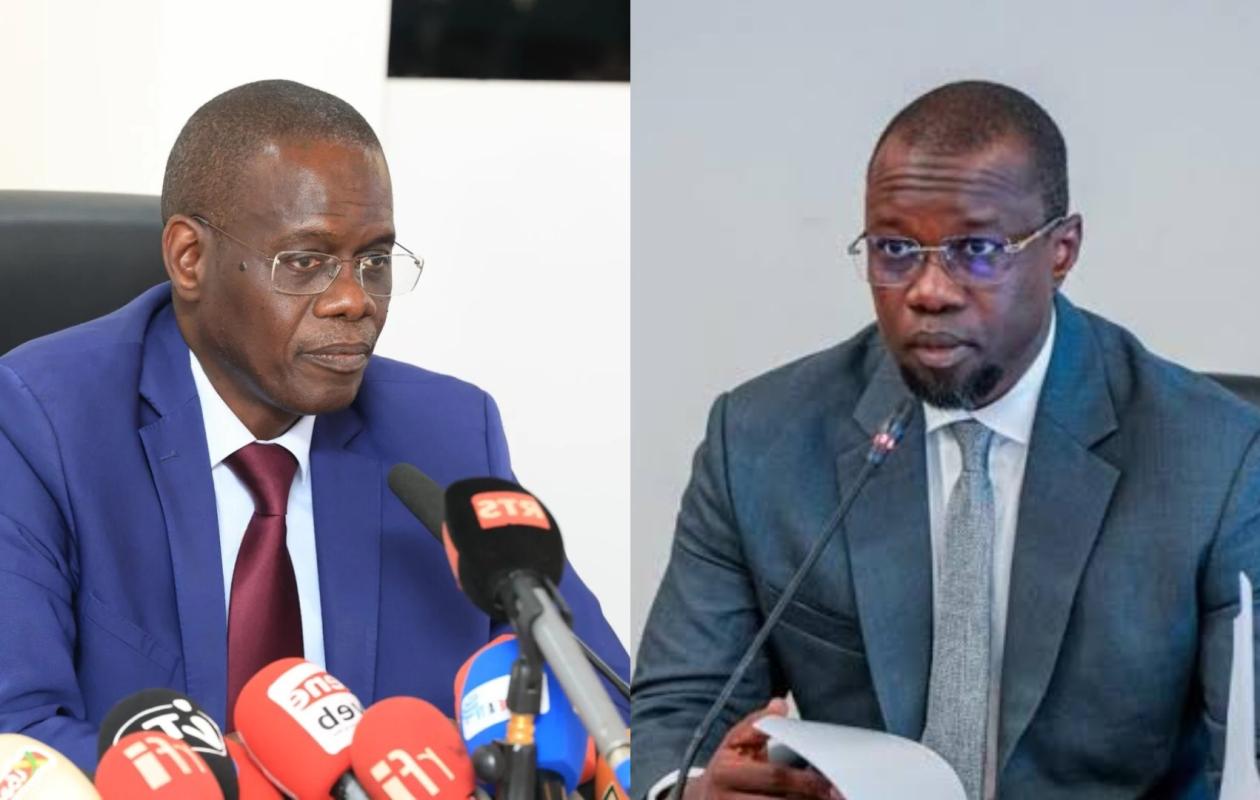
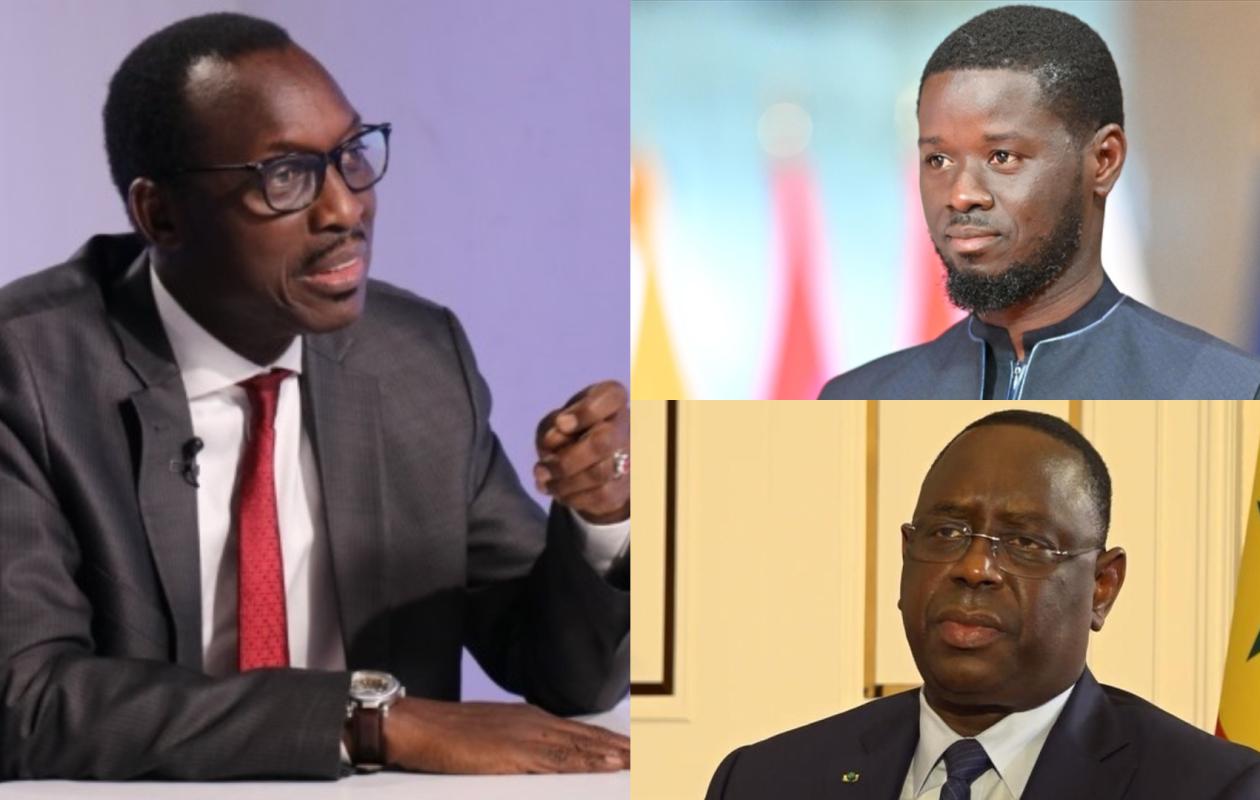
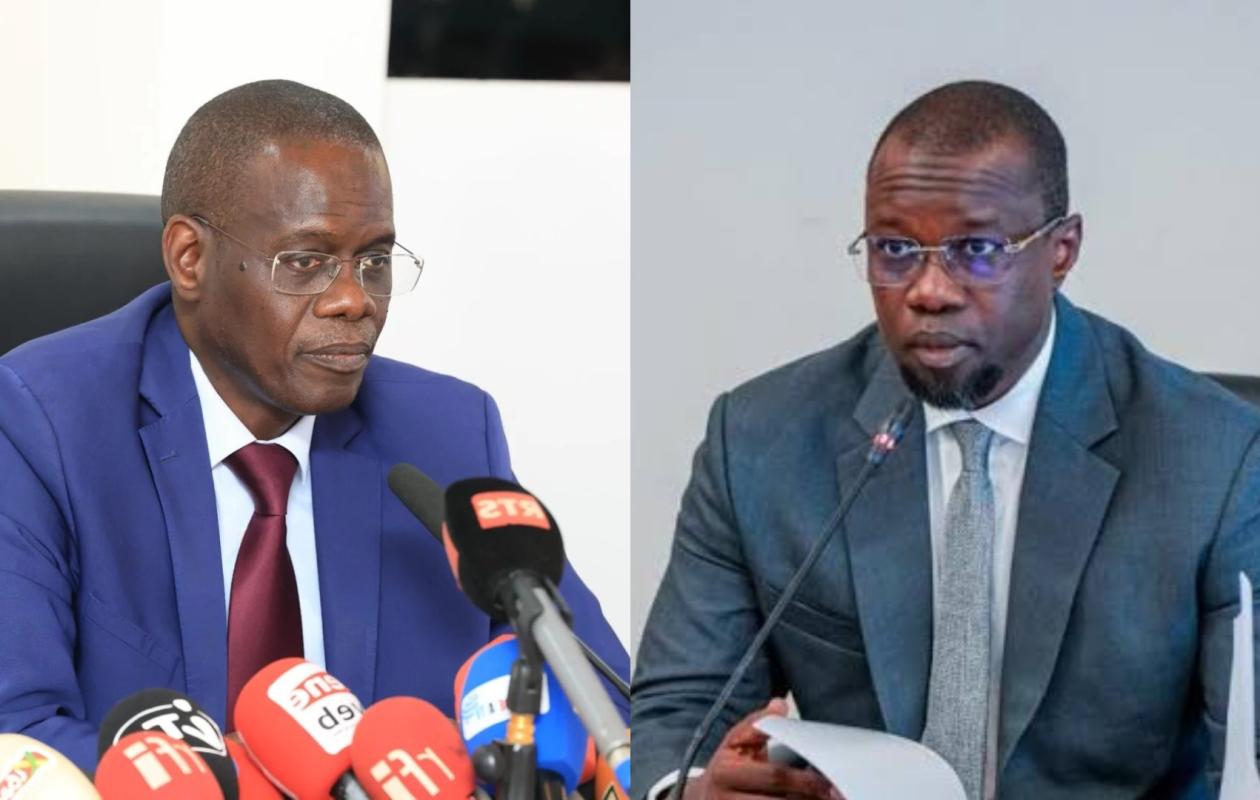
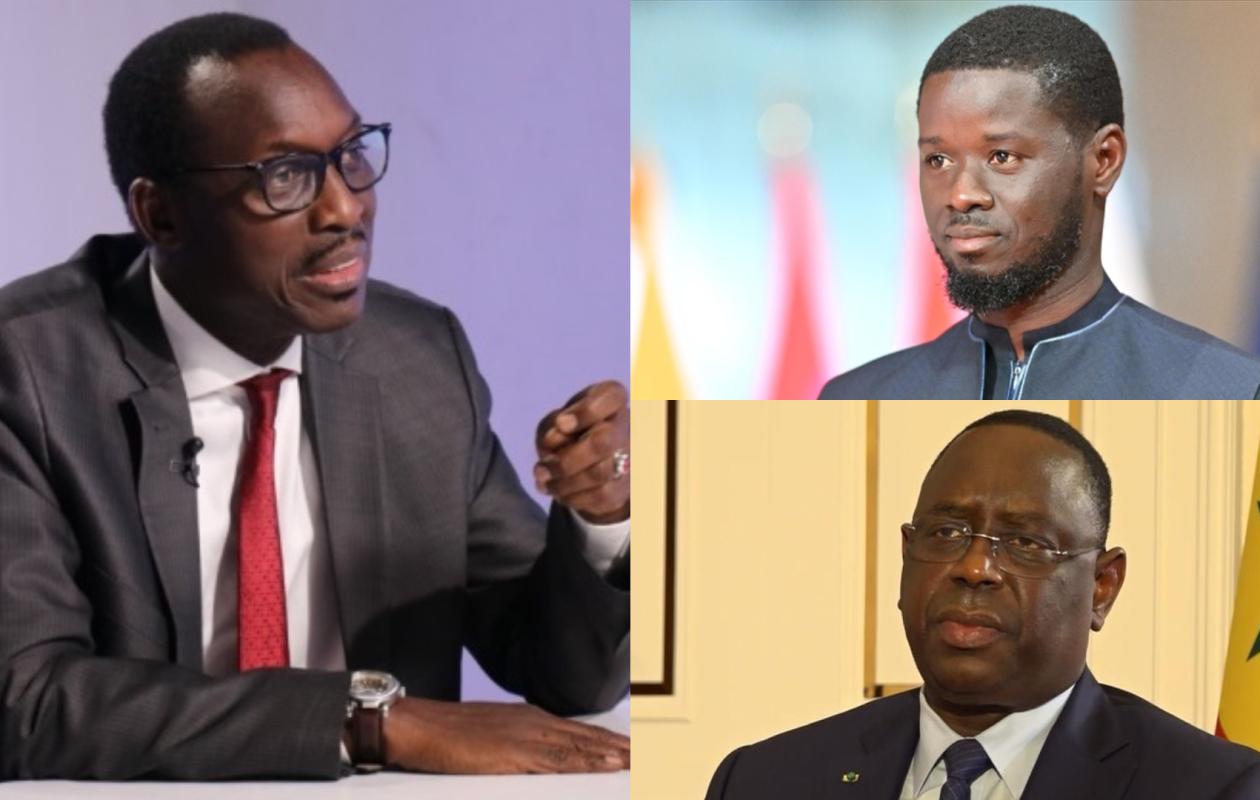
The decree was issued yesterday, Friday. President Bassirou Diomaye Faye dismissed Ousmane Sonko. Beyond the political earthquake and the tensions at the highest levels of government that led to this break, it is time to take stock.
In just over two years, from his installation in April 2024 to his dismissal in May 2026, what did the Pastef leader actually achieve at the Prime Minister's office? Between sovereignist breaks, rationalization of the State and structural reforms, a look back at two years of intense governance.
1- The "Jub, Jubal, Jubanti" doctrine: Public sanitation
From the moment he took office, Ousmane Sonko made his mark through accountability and absolute transparency. The audit of public finances, launched in the first months of 2024, revealed the true extent of the debt and deficits inherited from the previous regime.
Simultaneously, efforts to eliminate waste and streamline government spending were rigorously implemented. The Prime Minister mandated the elimination of multiple elected offices, strictly regulated public sector recruitment, and launched the digitalization of administrative services to curb corruption. Finally, the activation of the Financial Judicial Pool set the wheels of justice in motion to shed light on alleged misappropriation of public funds.
2- The course towards economic and endogenous sovereignty
Under his leadership, Sonko also compelled the government to fulfill its campaign promises. One of the most significant decisions in this regard remains the non-renewal of fishing agreements with the European Union at the end of 2024. This measure was once strongly supported by local fishermen's unions.
In this same vein, commissions have been established to review mining, oil, and gas contracts so that Senegal can derive greater benefit from its resources. These efforts will complement the implementation of "Vision Senegal 2050," a strategic framework for the country's transformation aimed at breaking with the post-colonial model to build a sovereign economy focused on local industrialization.
3- Agriculture as an engine of development
For Ousmane Sonko, food sovereignty was not just a slogan, but a matter of national security. The government has therefore provided massive support to rural areas by increasing agricultural subsidies to a record level of 120 billion FCFA starting in 2024.
To boost the purchasing power of Senegalese farmers, the minimum price for peanuts has been raised from 280 to 305 CFA francs per kilo. Present at major events such as FIARA, he advocated for the modernization of agriculture and a comprehensive agrarian reform to process production locally and reduce external shocks.
4 - Financial resources generated by the PRES
On the public finance front, the Economic and Social Recovery Plan (PRES), launched in August 2025 by Ousmane Sonko, generated 4.2 billion CFA francs that same year. For 2026, the amount of revenue collected under the PRES reached 63.4 billion CFA francs in April.
5 - Military sovereignty and pan-African diplomacy
Under his leadership, security policy was boosted through the implementation of a long-term military programming law aimed at strengthening the autonomy and technological capabilities of the Senegalese armed forces in the face of new regional security challenges.
On the diplomatic front, he contributed to strengthening relations between Senegal and countries around the world, primarily those in Africa. He travelled to China, Turkey, the United Arab Emirates, Morocco, and countries in the sub-region (Mali, Mauritania, Guinea, Ivory Coast).








Commentaires (54)
Participer à la Discussion
Règles de la communauté
💡 Astuce : Utilisez des emojis depuis votre téléphone ou le module emoji ci-dessous. Cliquez sur GIF pour ajouter un GIF animé. Collez un lien X/Twitter, TikTok ou Instagram pour l'afficher automatiquement.
Se connecter
Commentez avec votre profil, votre photo, et soyez averti des réponses.