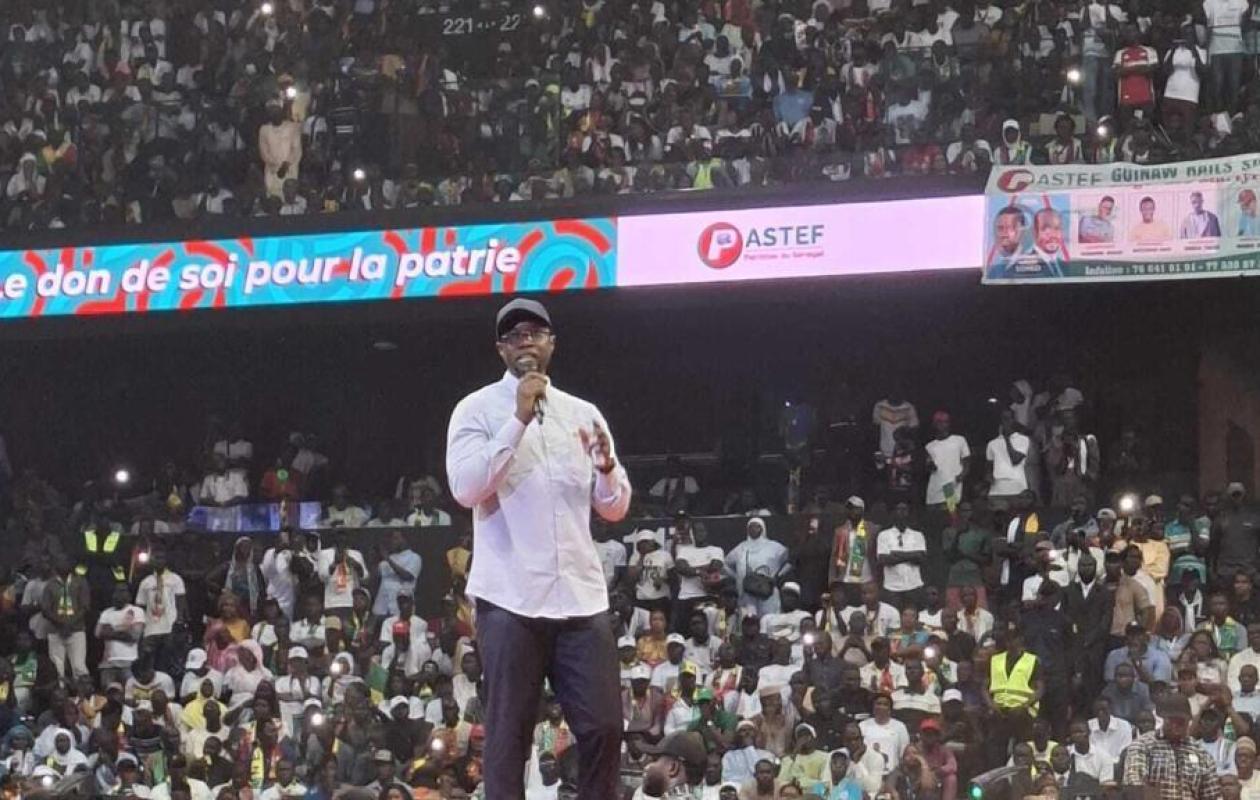
Éligibilité de Sonko : «Ce que Pastef doit faire»
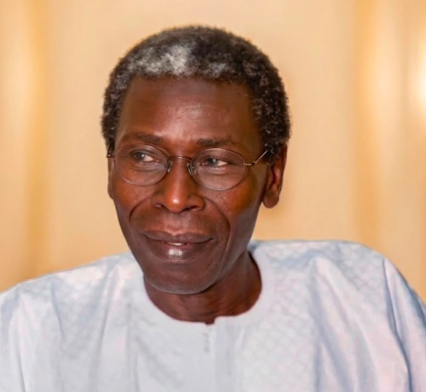
Some see the proposed law amending the Electoral Code, introduced by the majority parliamentary group Pastef, as a way for Ousmane Sonko to regain his eligibility, which he lost following his defamation conviction in the trial against Mame Mbaye Niang. Electoral expert Ousmane Badiane shares this view. In an interview published this Thursday in L'Observateur, the LD's (opposition) elections coordinator points to a "dangerous maneuver for the survival of Senegalese democracy" which, if adopted, would represent "a volcanic earthquake of very high magnitude, which will completely destroy all the democratic gains achieved by our country since its accession to international sovereignty."
Badiane believes that the arguments put forward by the Patriots "are absolutely unfounded, morally unacceptable, legally unfounded, and politically indefensible." From a procedural standpoint, he regrets this unilateral initiative, which runs counter to a long-standing Senegalese tradition regarding electoral code reform. "In Senegal," he recalls, "there has always been a governing majority and an opposition that opposes. But since electoral matters are a concern for all political actors, dialogue and consultation have always prevailed before making decisions that bind all political actors."
Regarding the substance of the matter, Ousmane Badiane believes that the claim that the articles targeted by the proposed law (L 29 and L30) were created by Macky Sall to exclude candidates from the elections, such as Karim Wade, Khalifa Sall, or Ousmane Sonko, is unfounded. "In the electoral codes of 1976 and 1982, the content of the provisions of these articles already existed under numbers L3 and L4," the electoral expert asserts. "Textually, nothing has changed in the wording of these two articles, which have served the first President of the Republic, Léopold Sédar Senghor, through Presidents Abdou Diouf, Abdoulaye Wade, and Macky Sall, up to Bassirou Diomaye Diakhar Faye. The only changes noted are in the text's nomenclature, that is, the structuring of the chapters, and the numbering of the articles."
To allow Ousmane Sonko to regain his civic rights, Ousmane Badiane recommends that Ayib Daffé and his associates pursue a consensus-based approach: "What Pastef should do is wait for the next consultation on the Electoral Code so that political actors can discuss it and reach a consensus." This path is all the more appropriate in the eyes of the LD leader because, he points out, "the international experts selected for the MAFE (Electoral Register Audit Missions) never suggested the removal of Articles L29, L30, and L31 of the Electoral Code."
“What they recommended,” he noted, “is that the loss of civic rights for a citizen following a conviction should not be permanent, and that a limit should be set to give a person who has served their sentence a chance to regain the full extent of their civic rights in order to be able to vote and stand for election. This is a relevant recommendation on which all political actors should be able to easily agree, include it on the agenda of the next review of the Electoral Code, and find together the best consensual wording so that this provision becomes one of the most consolidating for our democracy.”












Commentaires (61)
Participer à la Discussion
Règles de la communauté
💡 Astuce : Utilisez des emojis depuis votre téléphone ou le module emoji ci-dessous. Cliquez sur GIF pour ajouter un GIF animé. Collez un lien X/Twitter, TikTok ou Instagram pour l'afficher automatiquement.
Se connecter
Commentez avec votre profil, votre photo, et soyez averti des réponses.